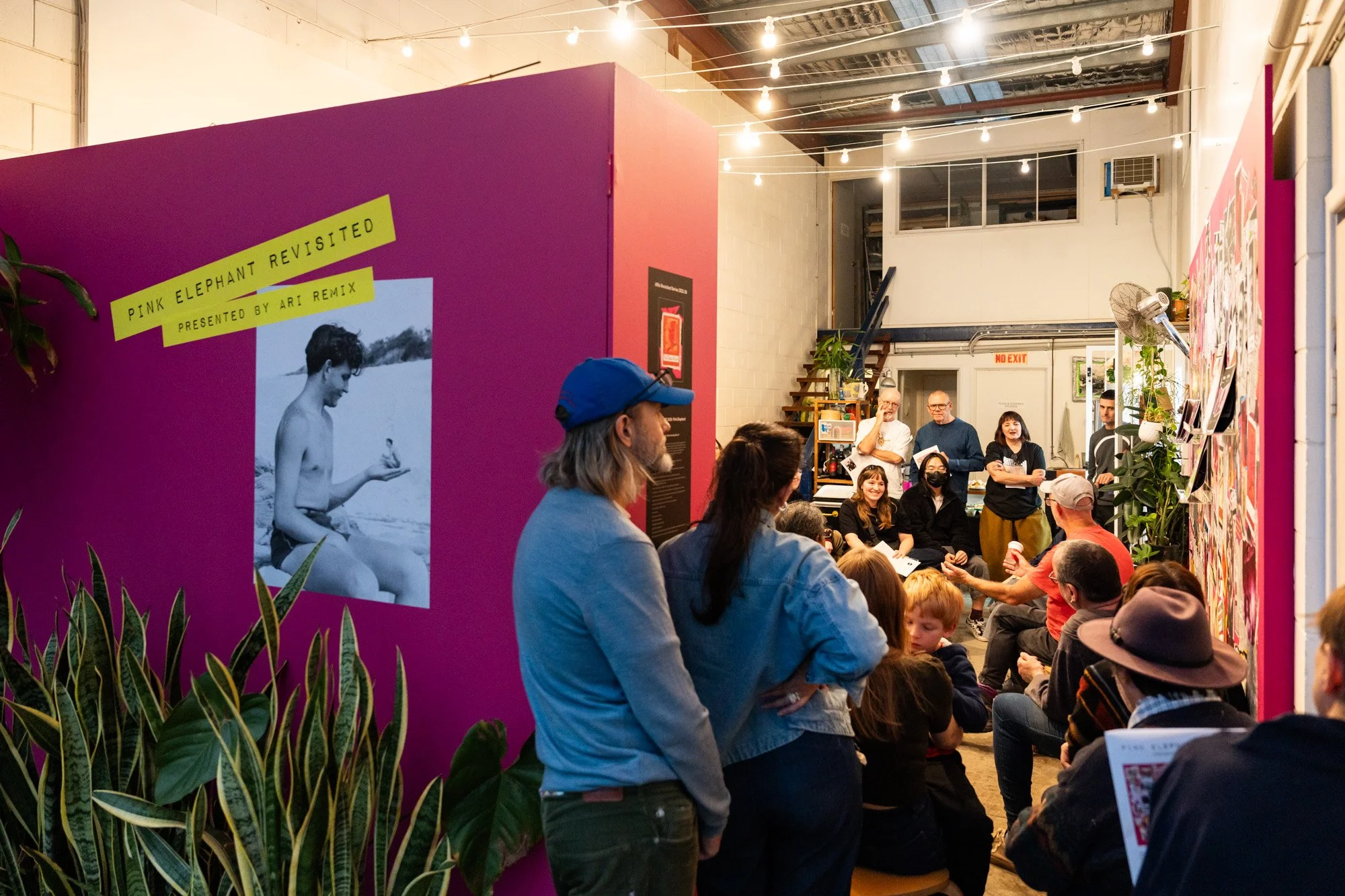
21 June to 5 July 2026
Artist-run initiatives (ARIs, Pronounced Ahh-Rees) are essential Queensland/Australian artists’ organisations established and run by independent artists; with artists, friends, allies, collaborators and the communities they serve. As independent, autonomous organisations they exist, co-exist and persist outside the mainstream cultural monolith. They emerged as a local and global trend in the mid-century era as multi-modal, multi-purpose sites and domains where creative self-reliance and a DIY participatory and pluralising ethos is paramount. Typically borne out of thrift, acts of care, generosity and kindness towards non-traditional exhibition’s, self-publishing cultural forms, social practices, dialogue, reflection, ARI time and networking opportunities. In 2026, as a growing and evolving movement 21st century ARIs and their unique collections of cultural heritage encompass both online and offline settings. They embrace radical intent and enable people-power through a continuity of action, creative experimentation, artfulness, non-profit and profit-for-purpose motivations. This ongoing zine making and zine anthology process captures aspects of Queensland/Australian artist-run culture and heritage 1940 to Now.
ARI Remix, run by artist Paul Andrew is a ‘living archives’ as expanded internet artwork. It represents Queensland/Australian artist-run spaces, artist-run initiatives (ARIs) and related artist groupings 1940 to Now. As an online and offline community archives initiative this work features the polyvocal narratives, ‘at risk’ artists’ ephemera, hidden histories and marginalised stories about unique and distinctive Queensland/Australian cultural heritage. The pluralised form of ‘living archives’ is employed here. This denotes a critical mass of personal and collective archival collections which remain unacknowledged, unrecognised and underrepresented. As a digitally-driven creative archival assemblage cultural form, Andrew aims to advocate and amplify the Queensland/Australian ARI culture and heritage movement through participatory, DIY and co-creative community-based archiving approaches.
Paul Andrew is a queer media artist [interdisciplinary], researcher, community facilitator, writer and curator with experience in using remix, bricolage, collage, assemblage, and narrative techniques for making assemblage-like archival art initiatives. These are often media-based, produced in diverse, varied, and variable cultural forms. “Little stories” , as examples of localised narratives, are a recurring theme inside their creative practice. They have been practicing and exhibiting professionally since 1984. Paul has actively participated in queer media spaces and artist-run culture throughout the 1970 to Now period in local, nationwide and international settings. Paul Andrew has artwork held in diverse public and private art collections including University of Queensland Art Museum, Brisbane / AU, Australian Centre for Moving Image [ACMI] Melbourne / AU, Griffith University Art Museum, Brisbane / AU, National Gallery of Australia, Canberra / AU.
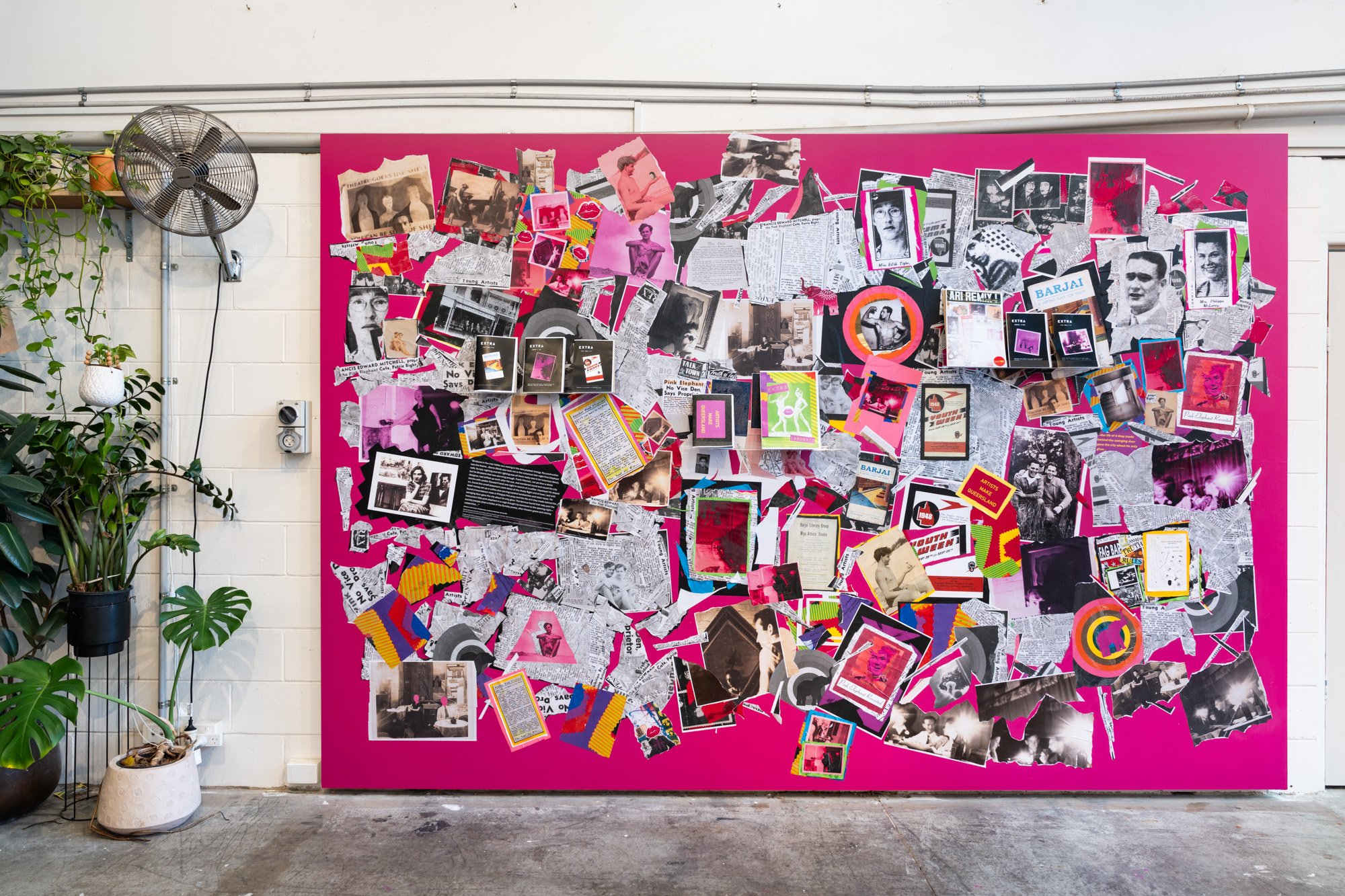
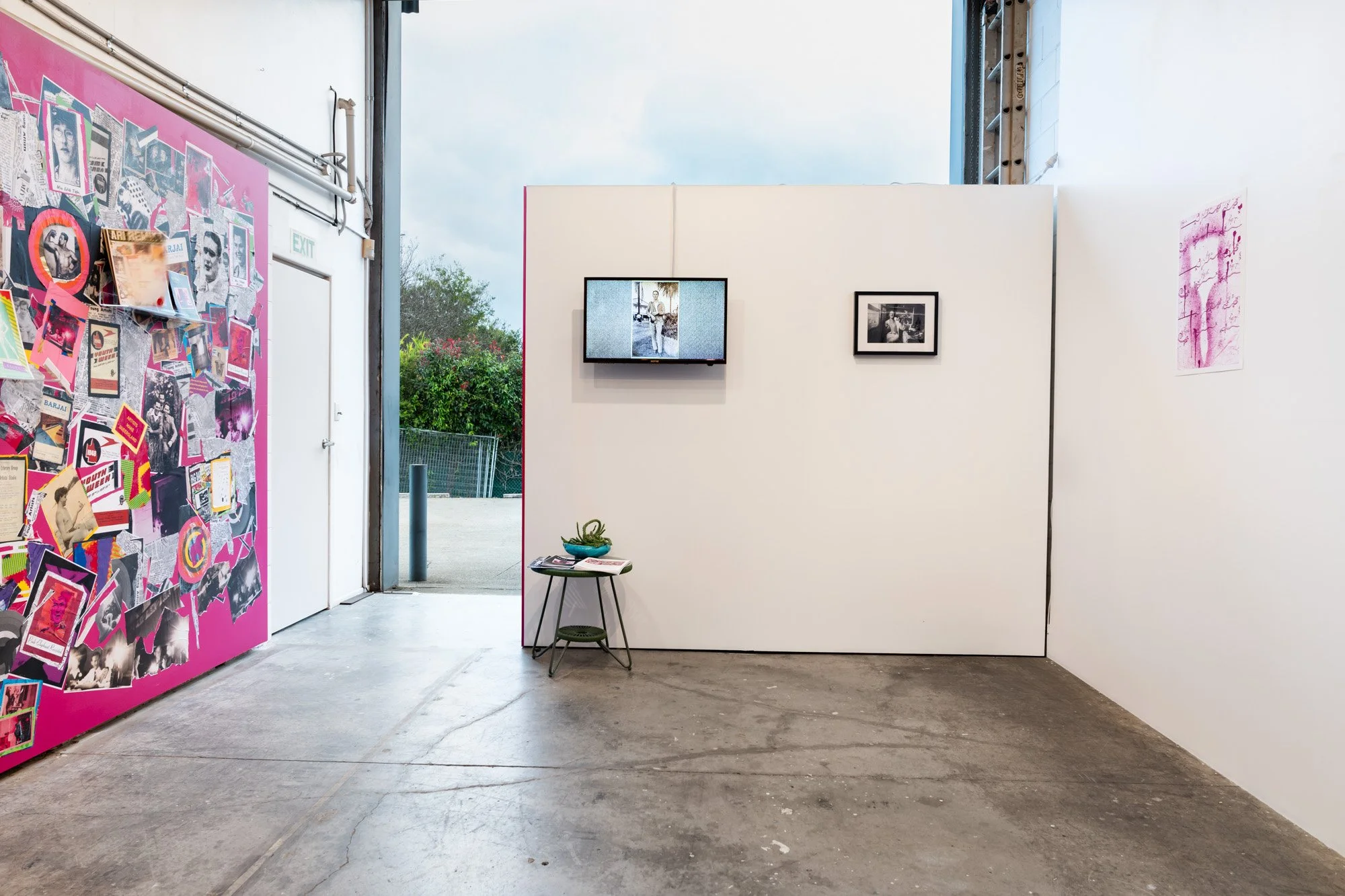
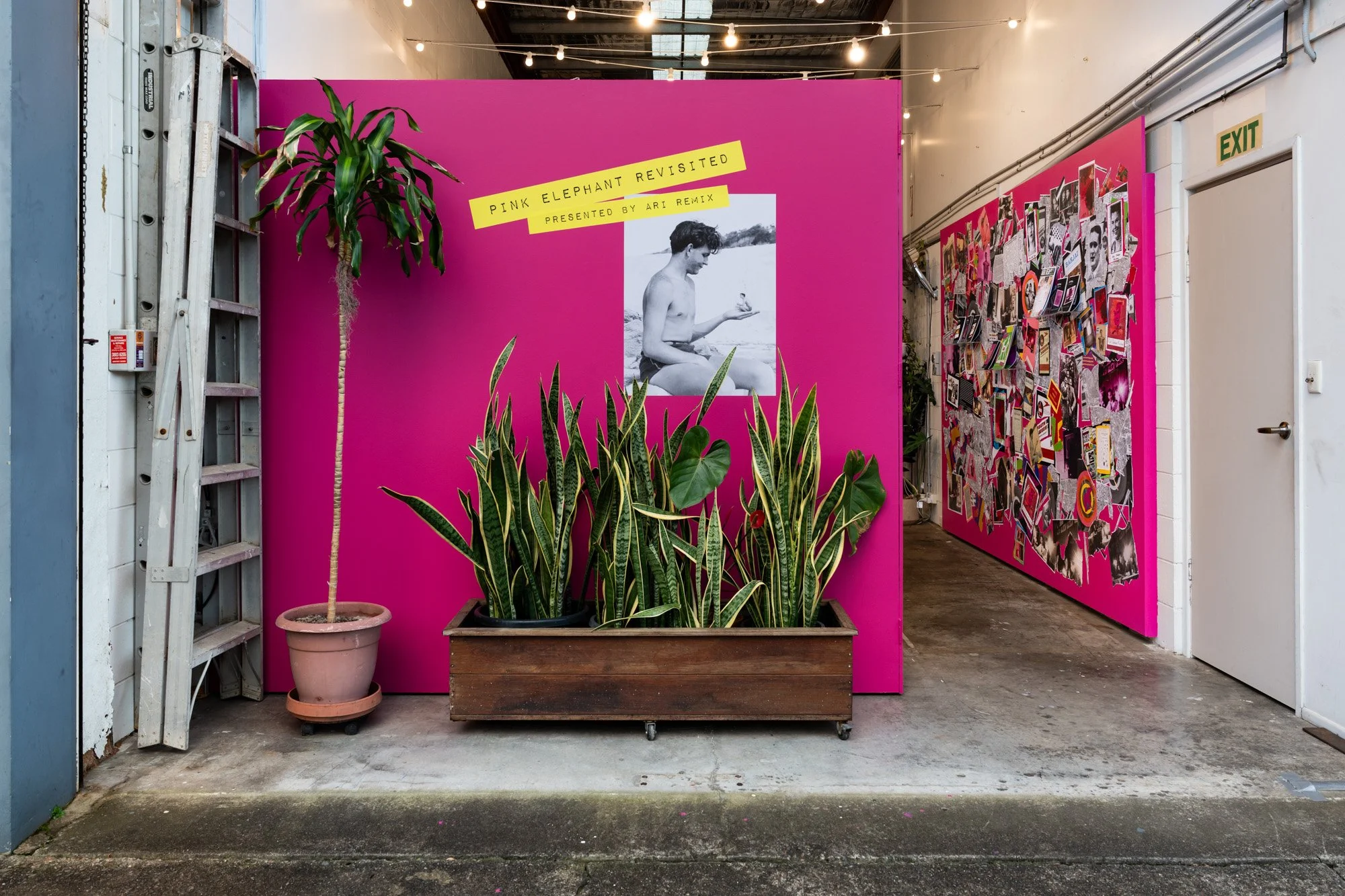
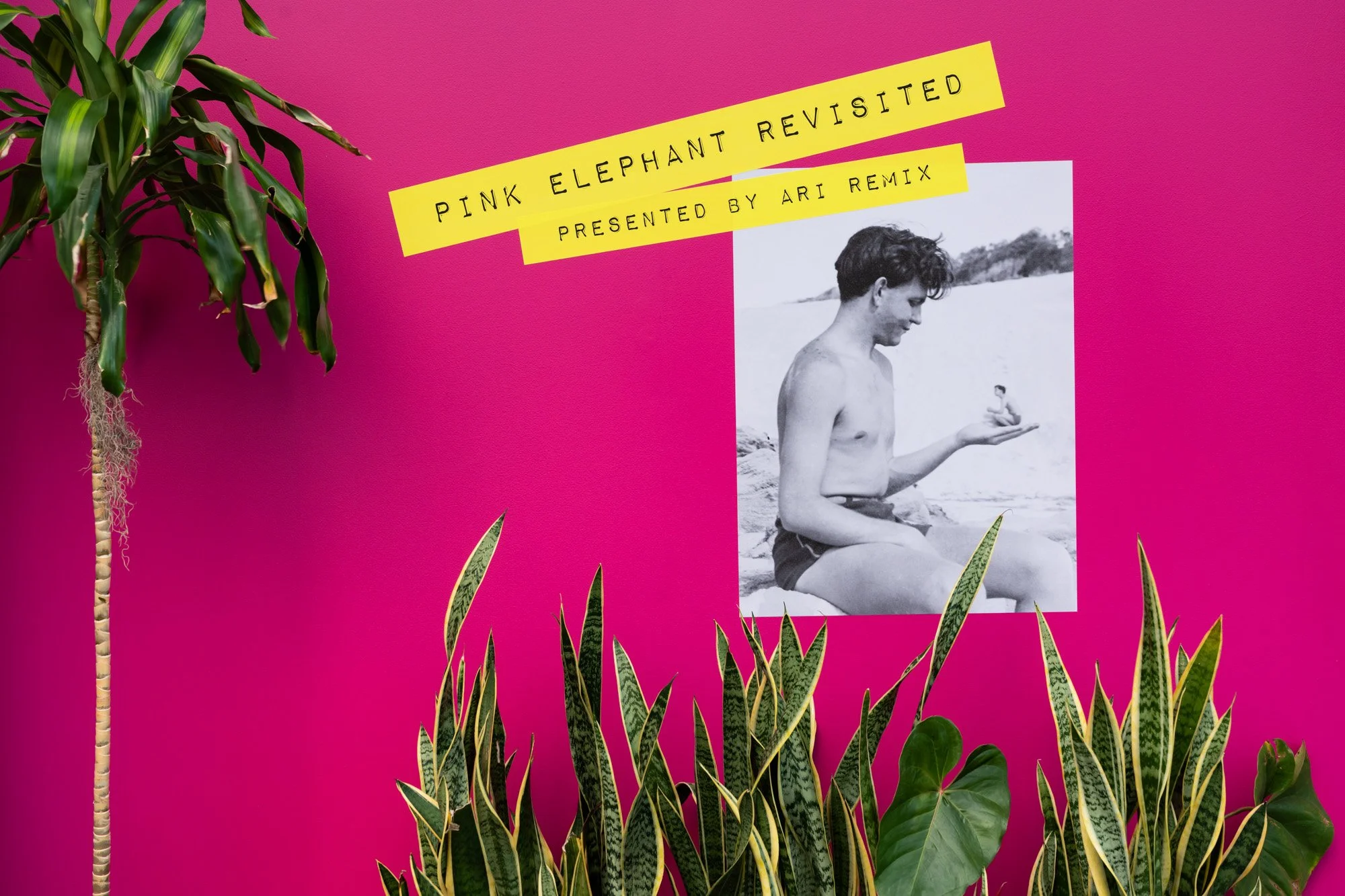
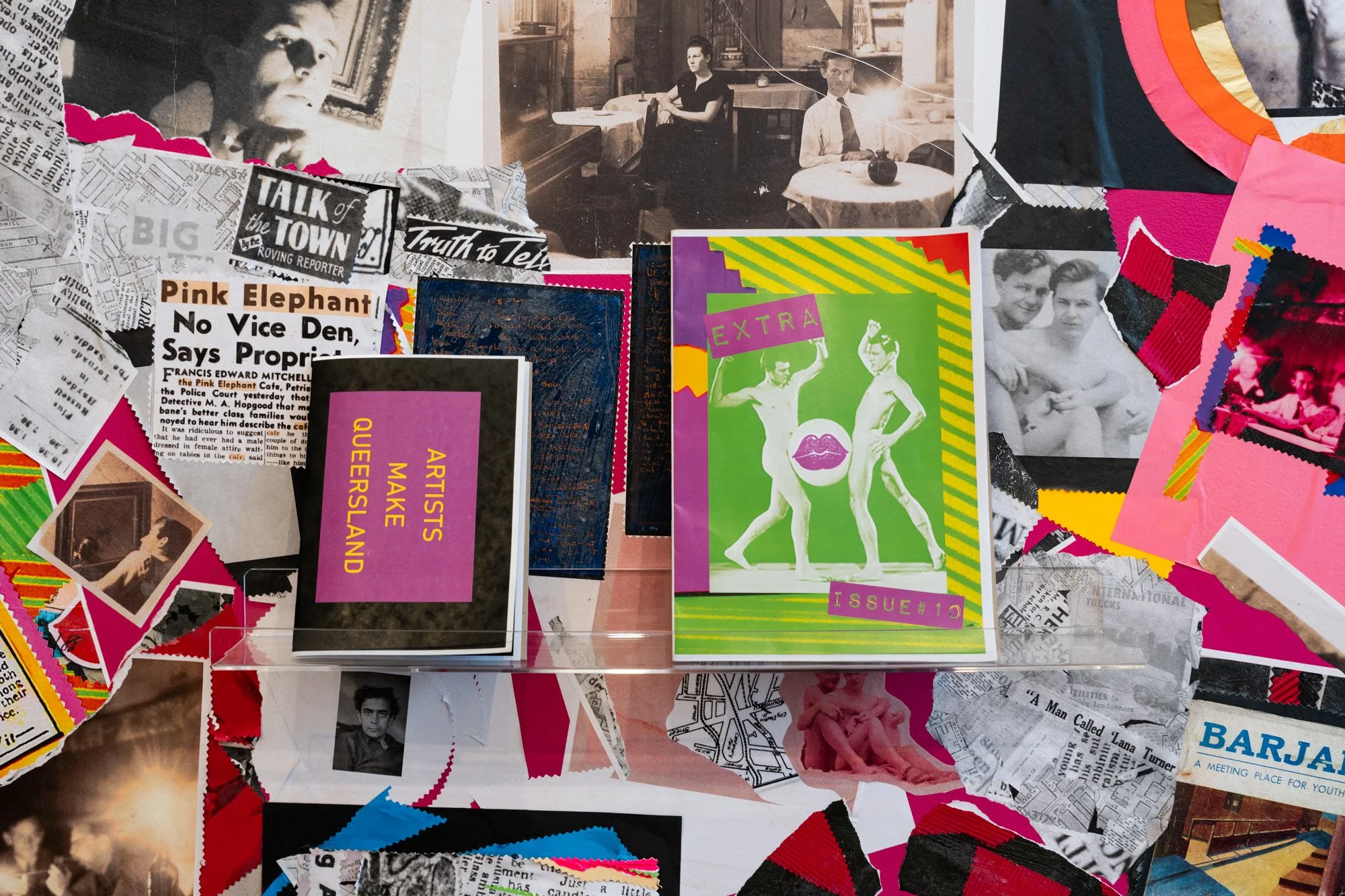
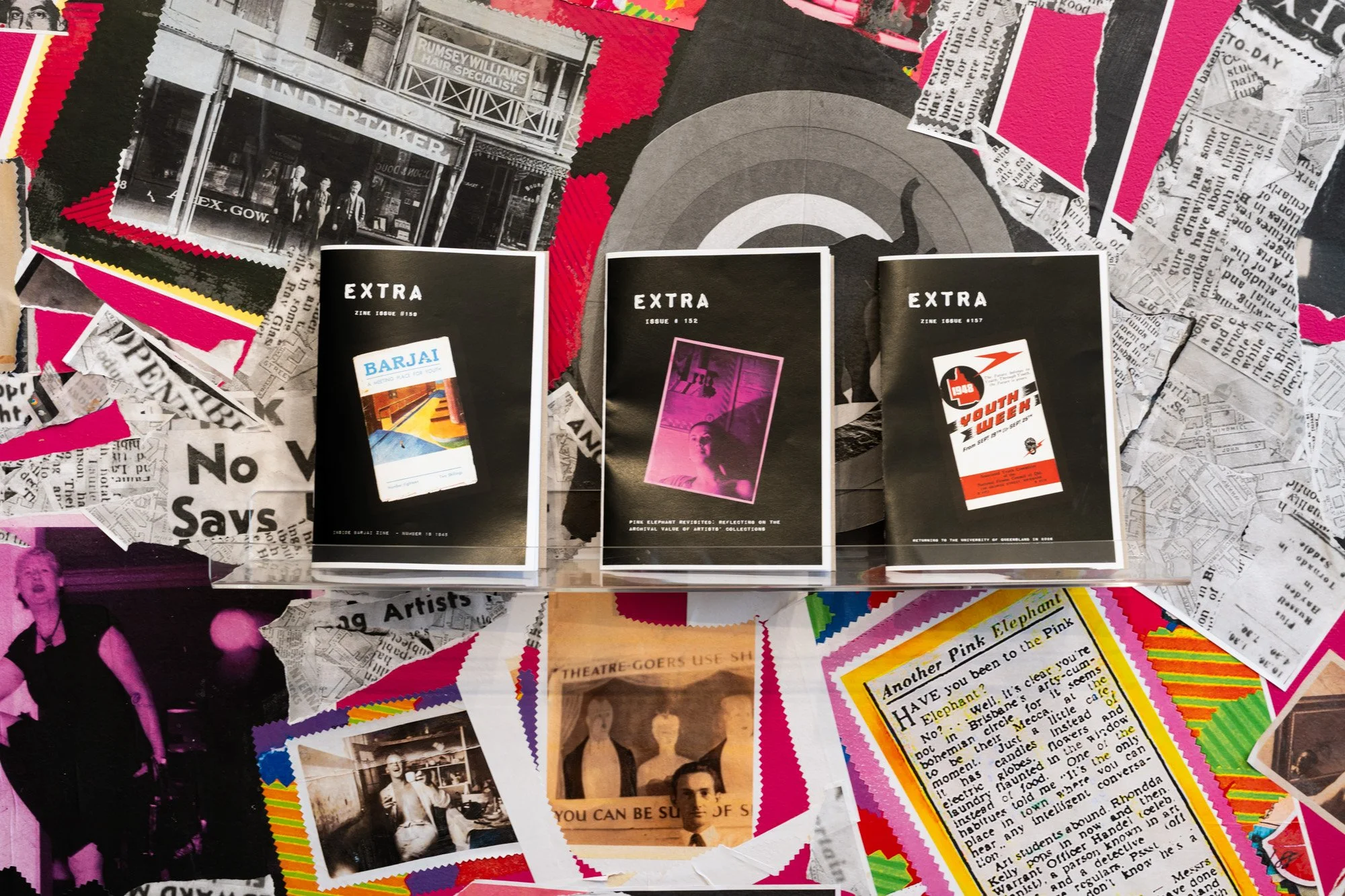
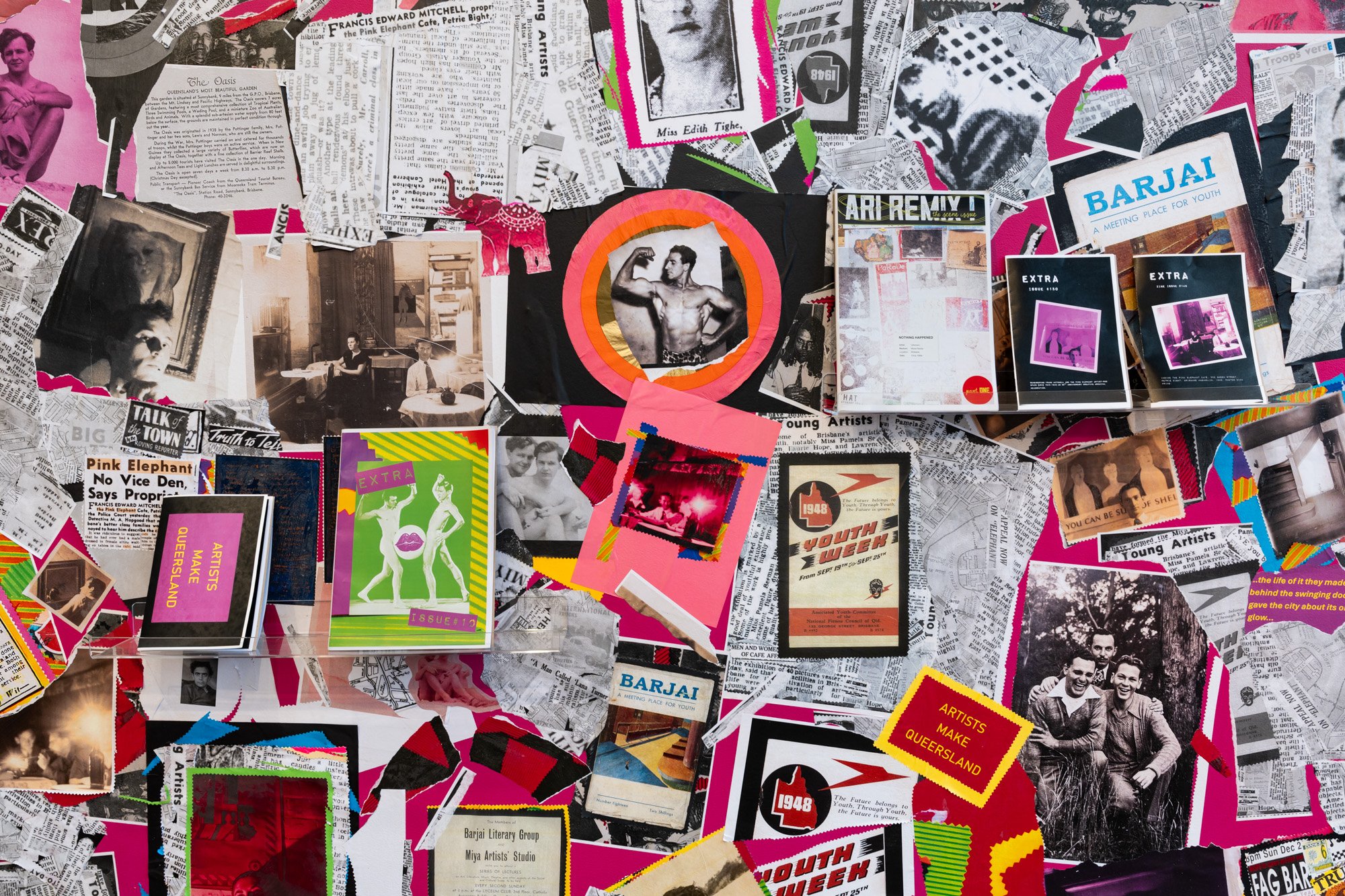
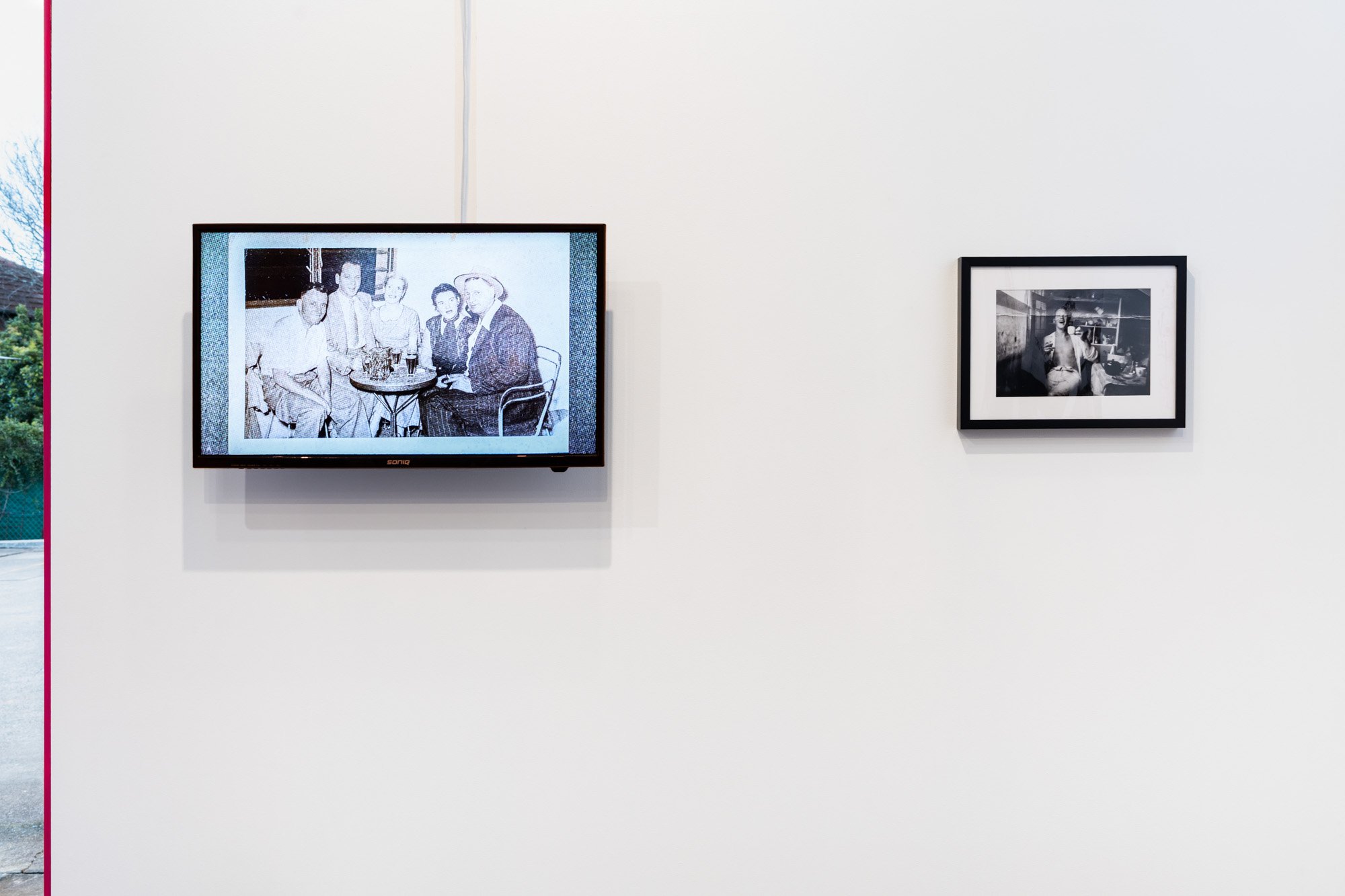
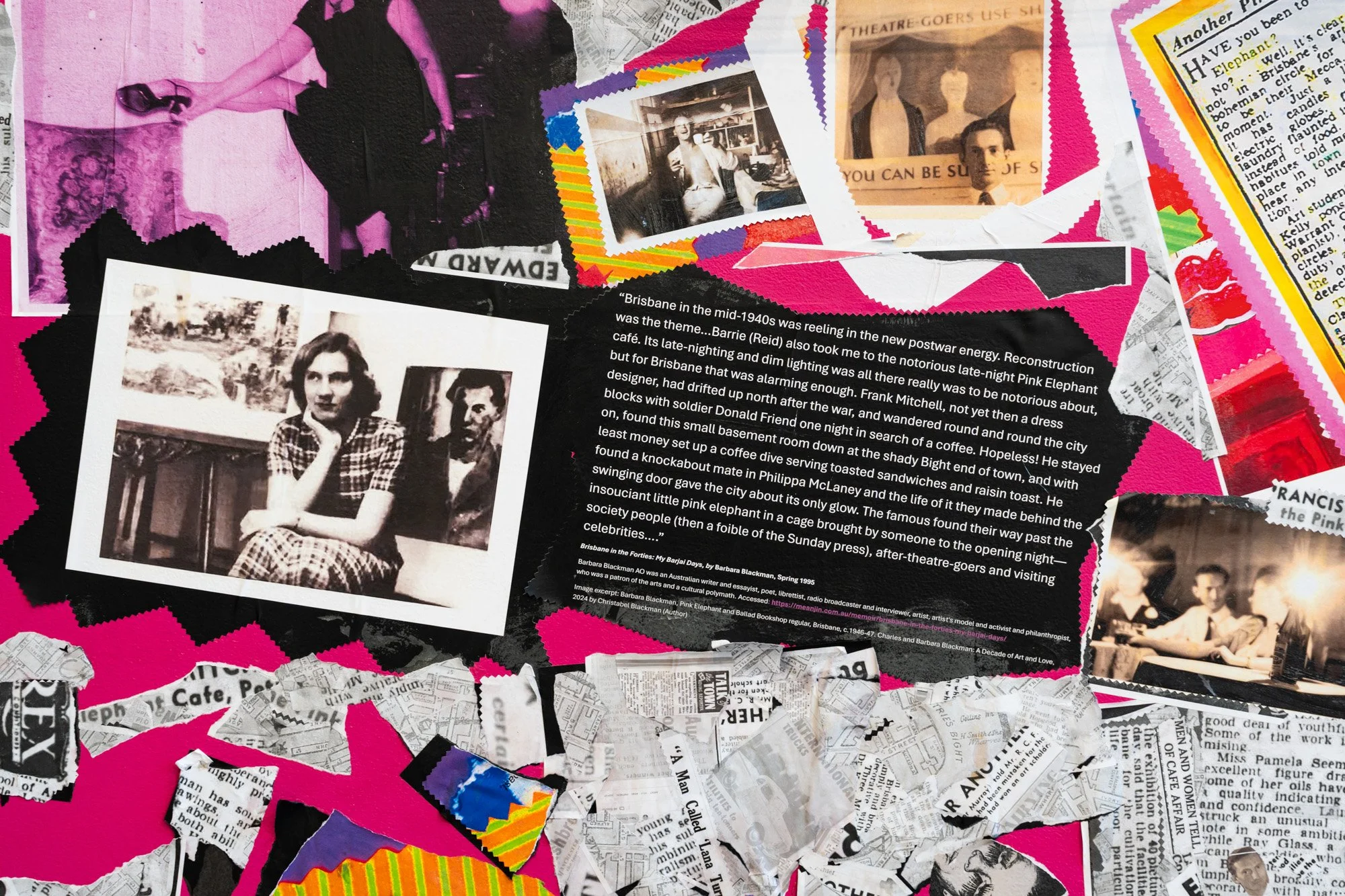
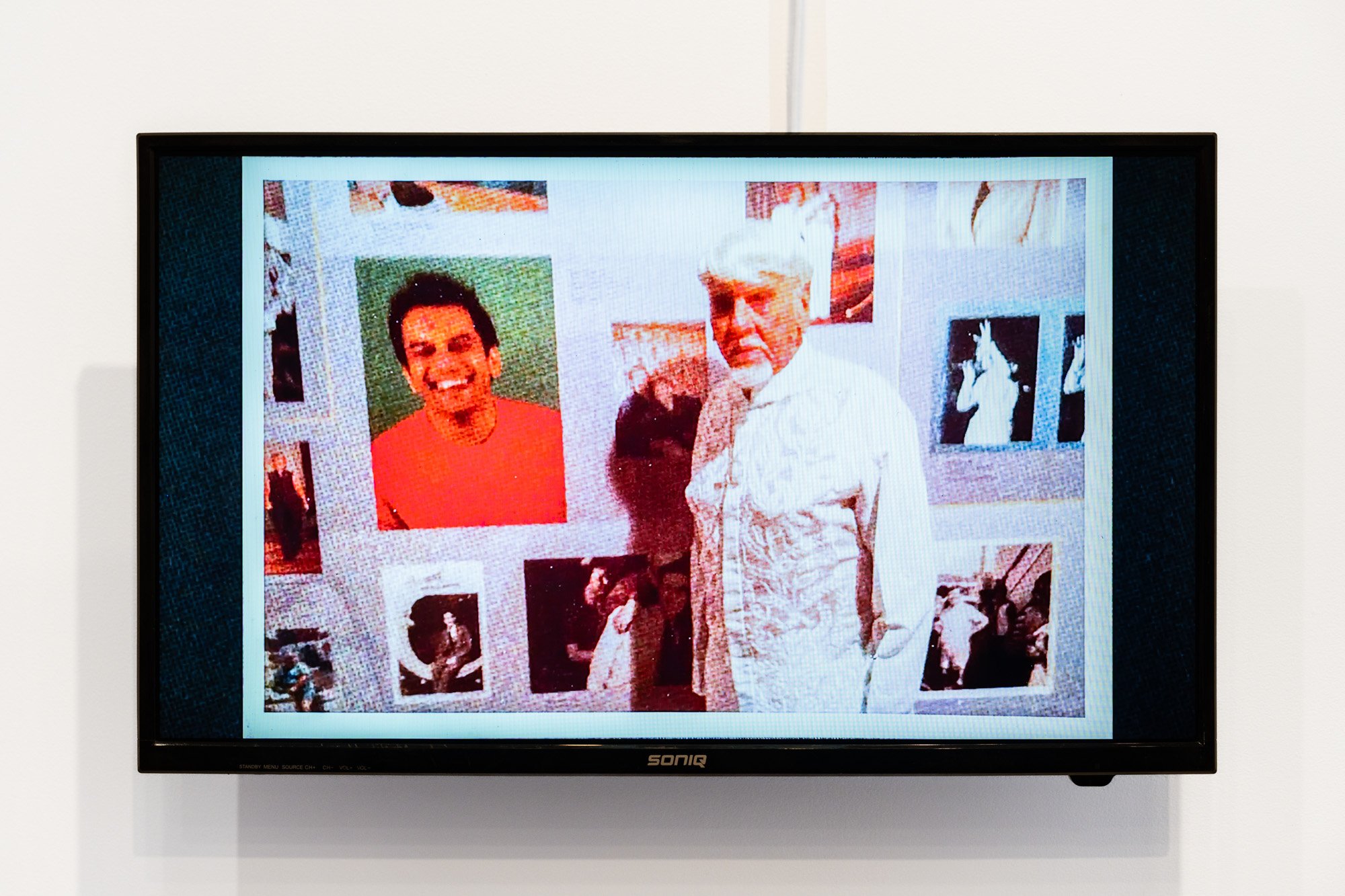
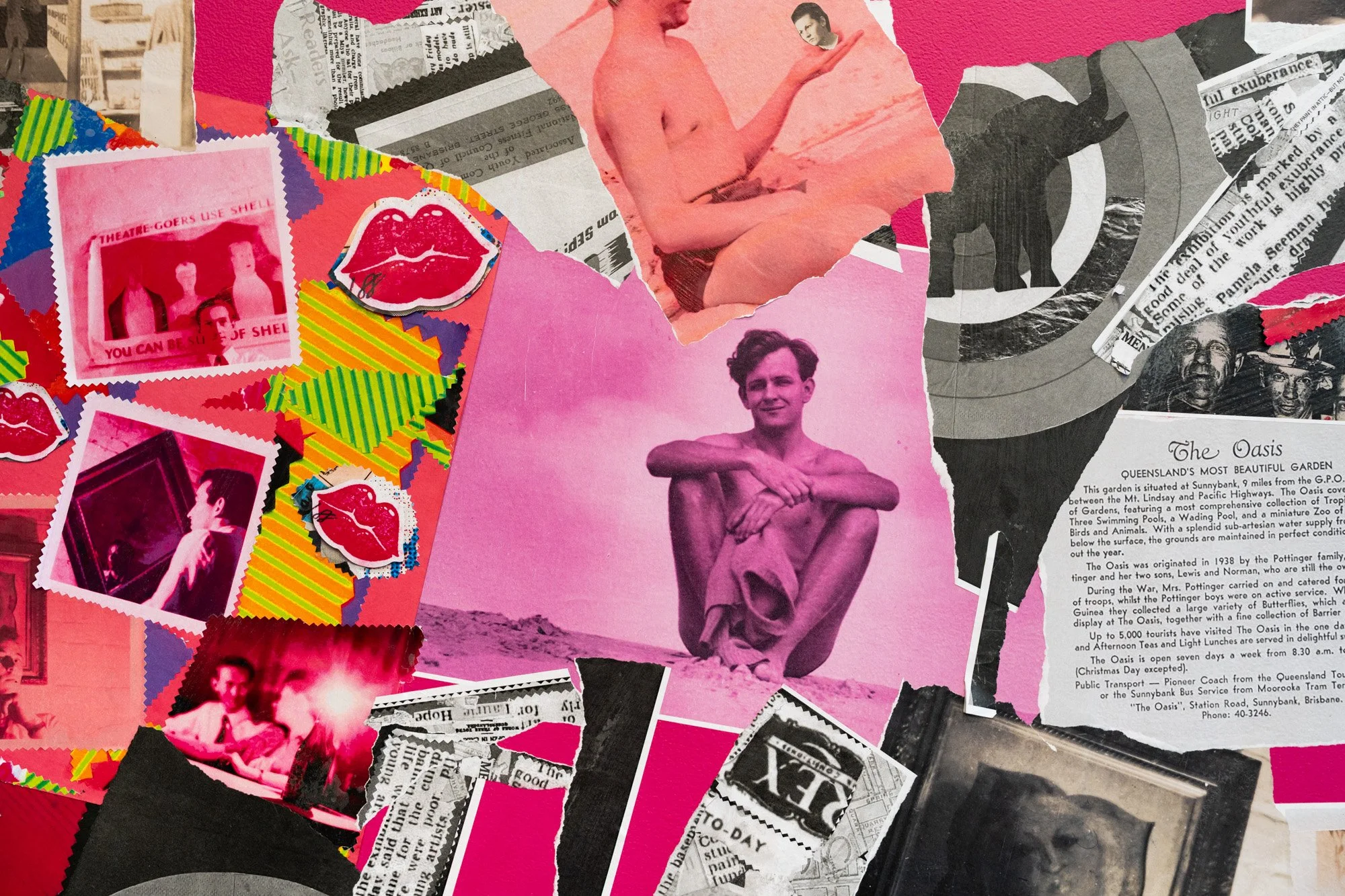
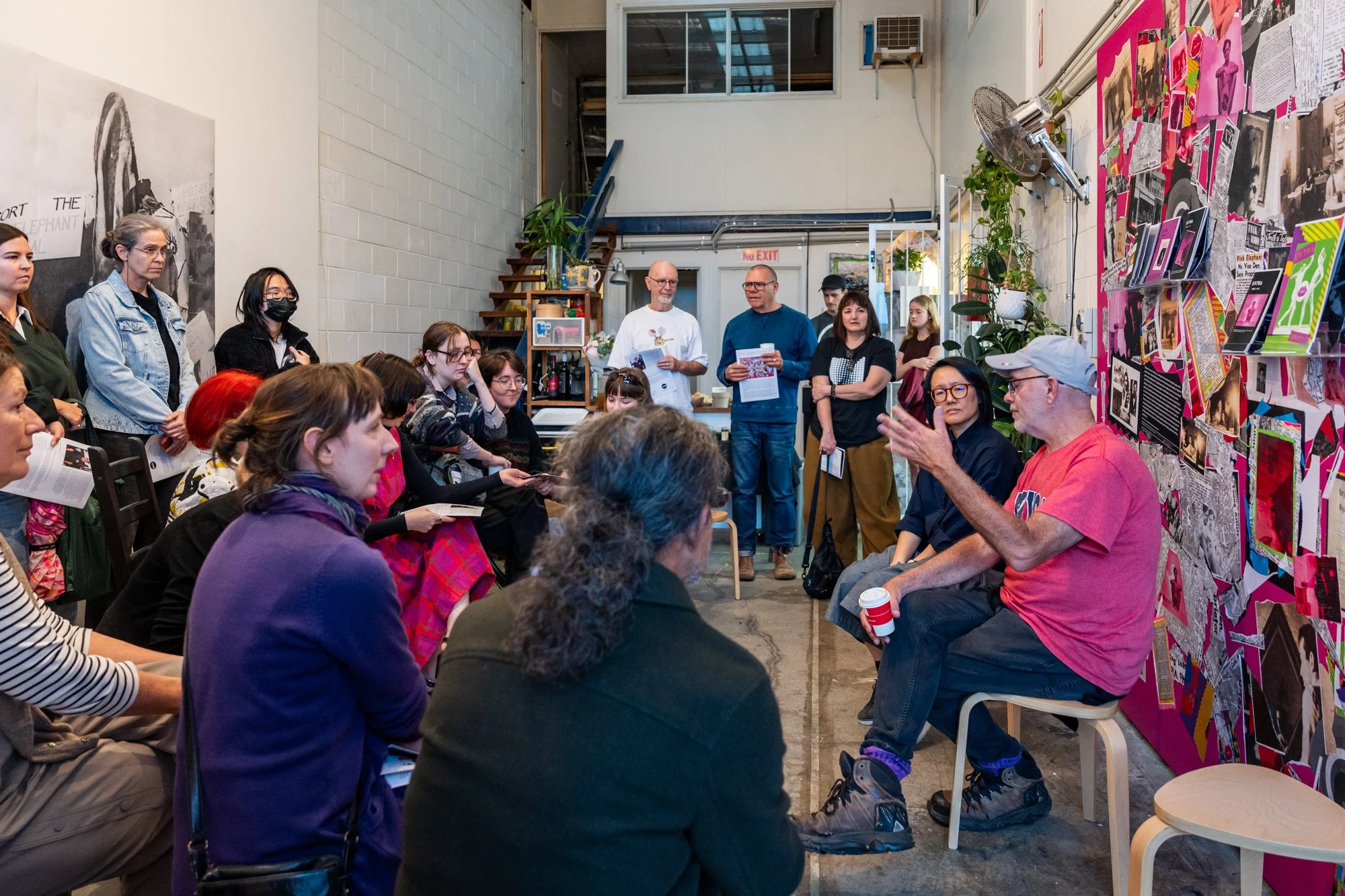
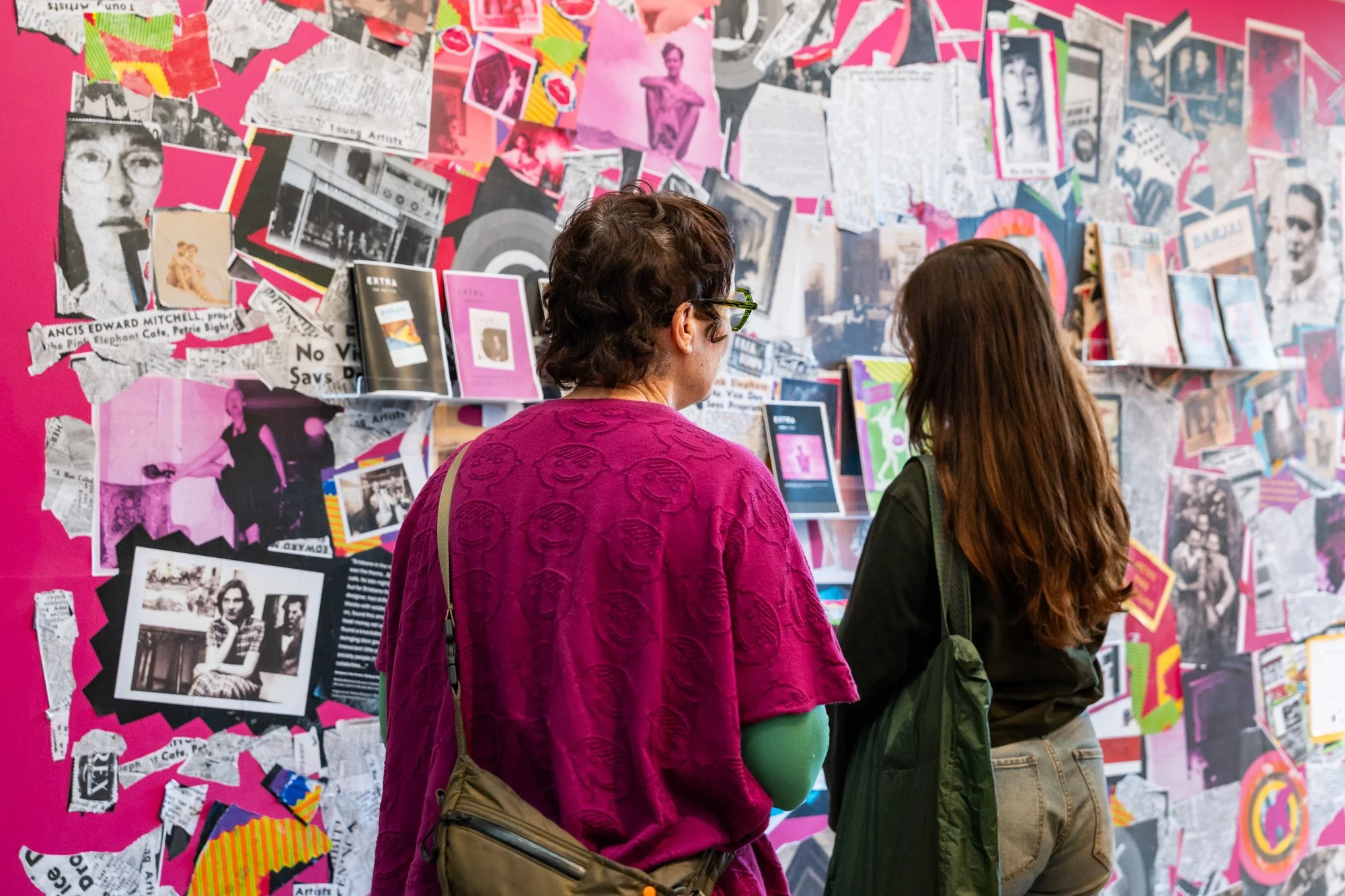
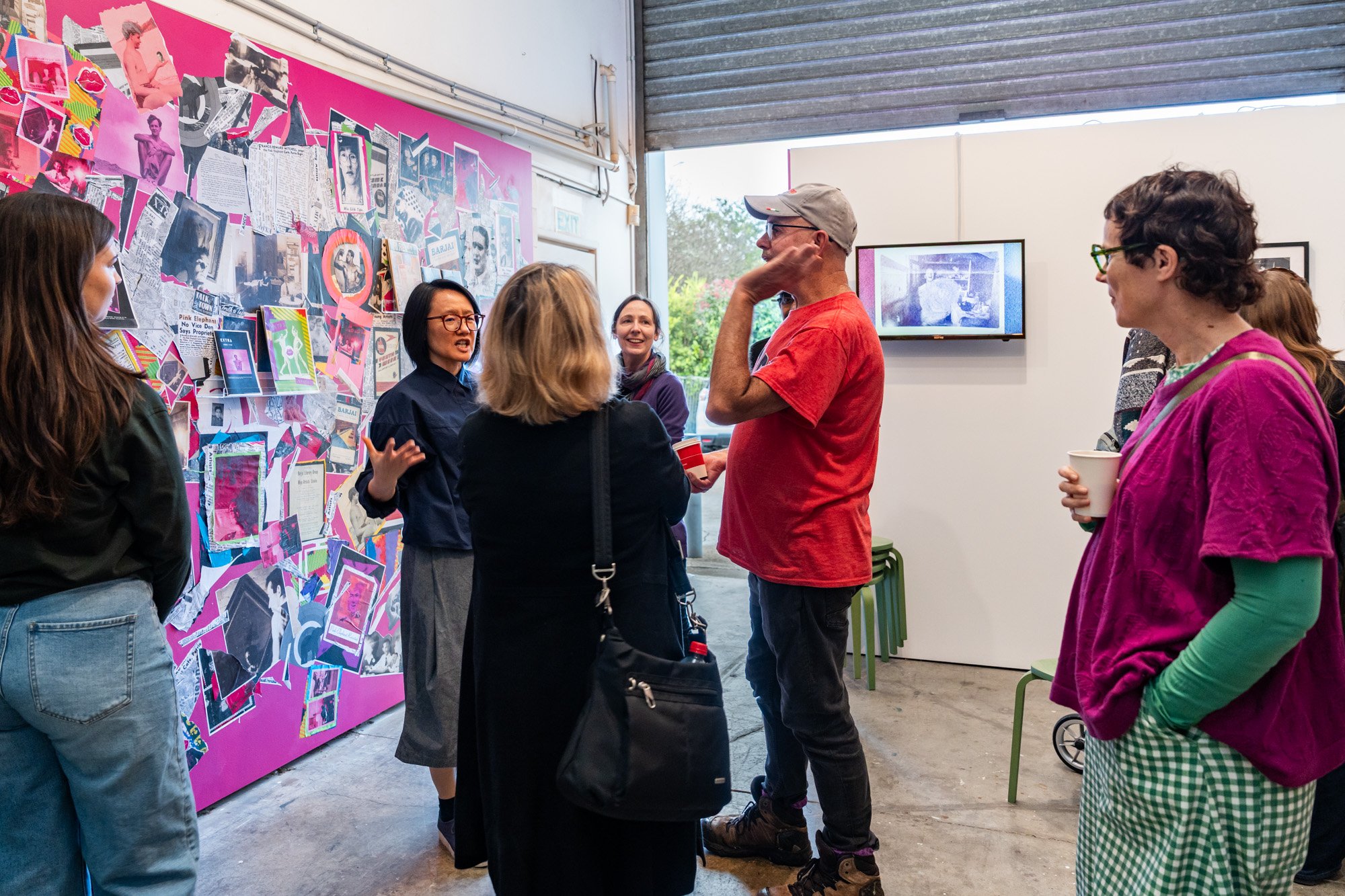
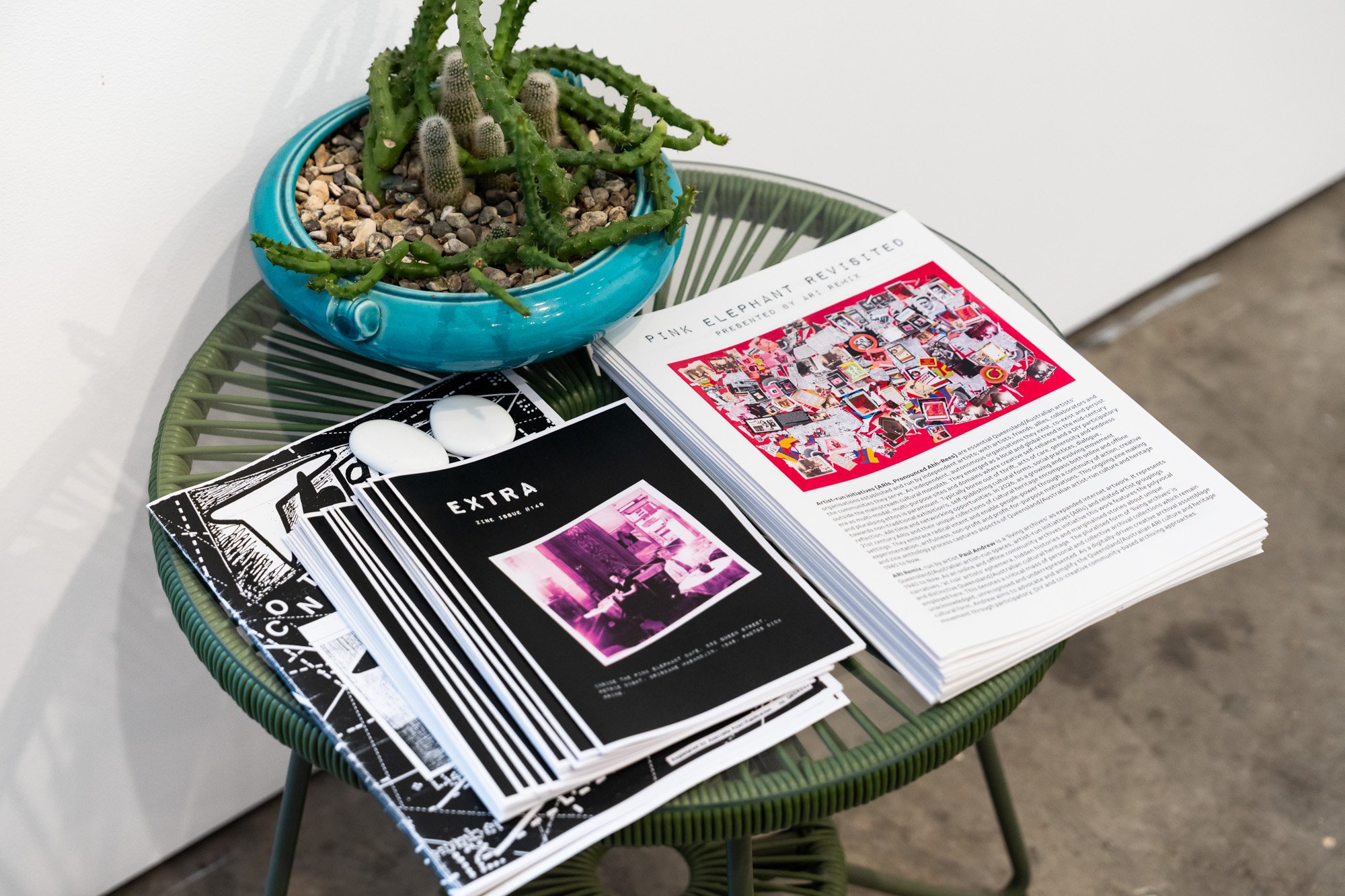
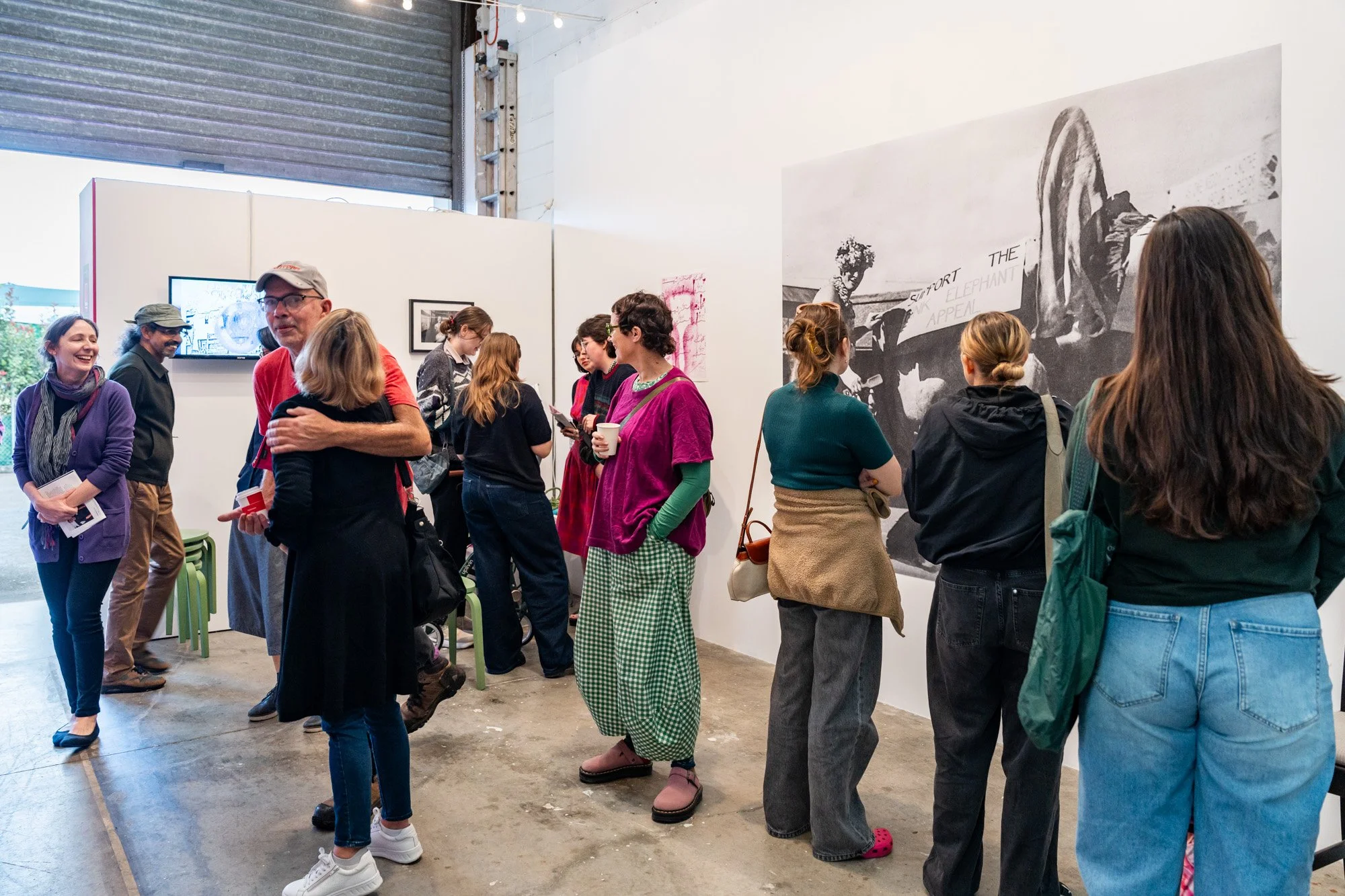
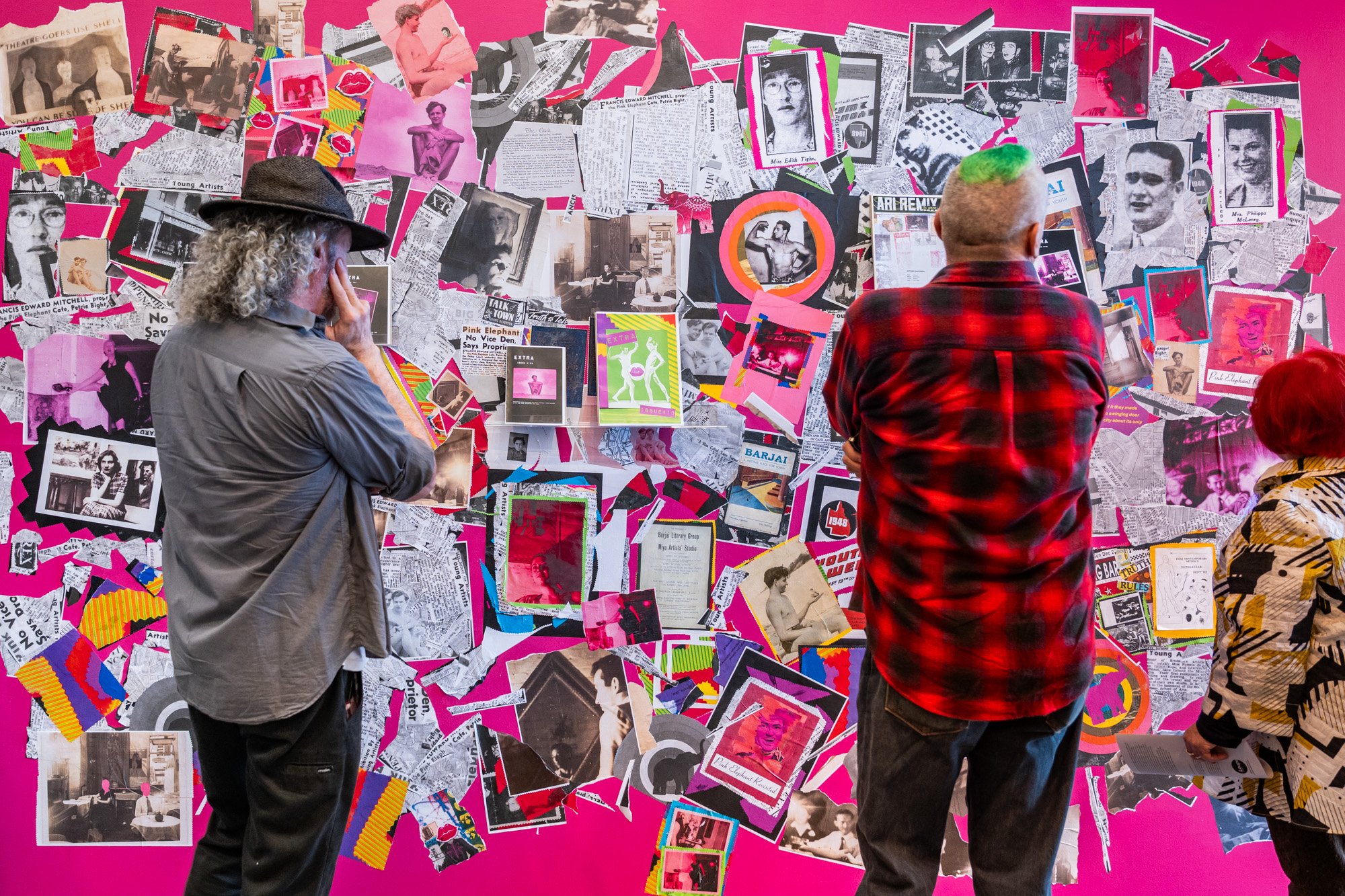
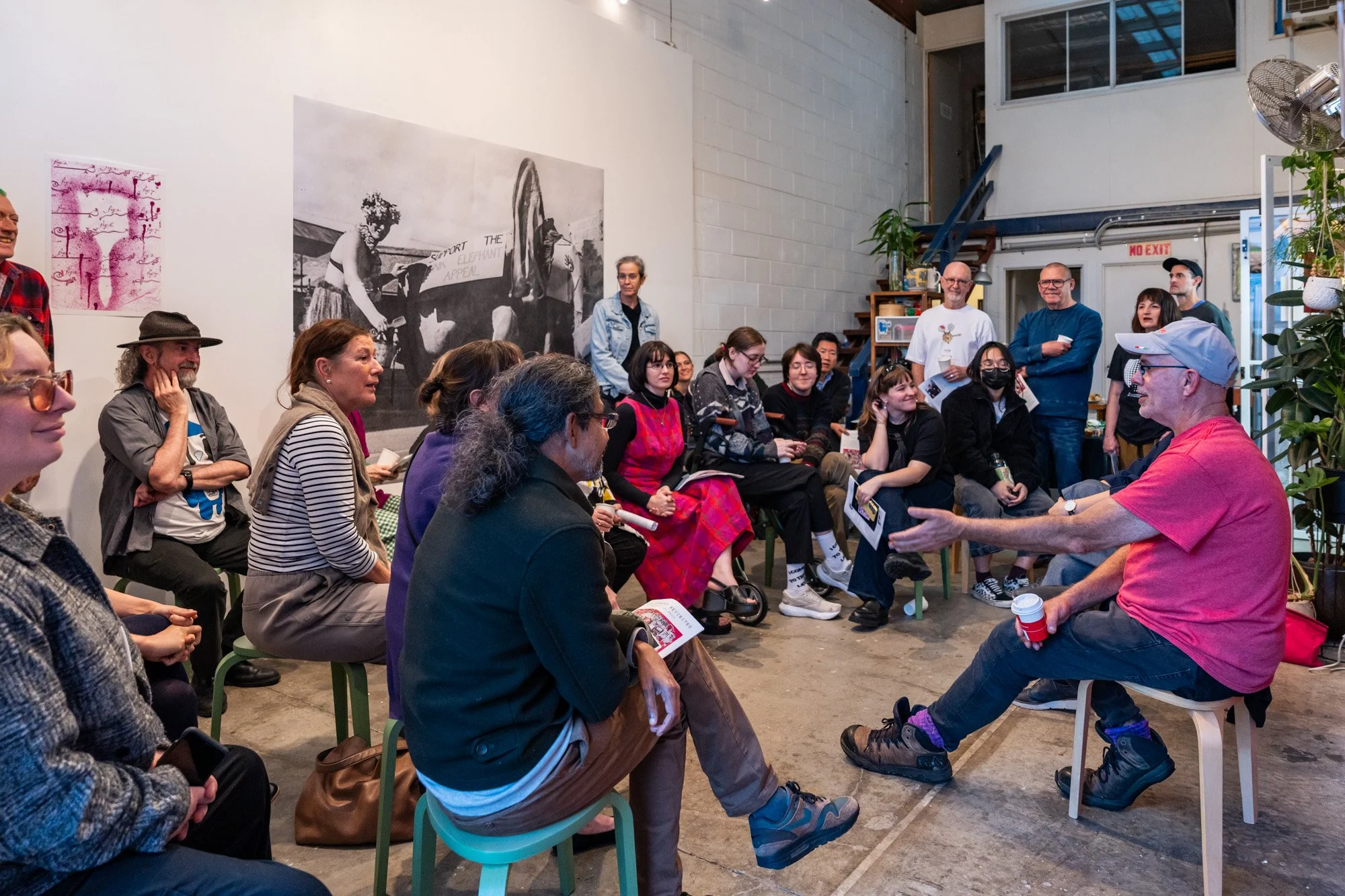
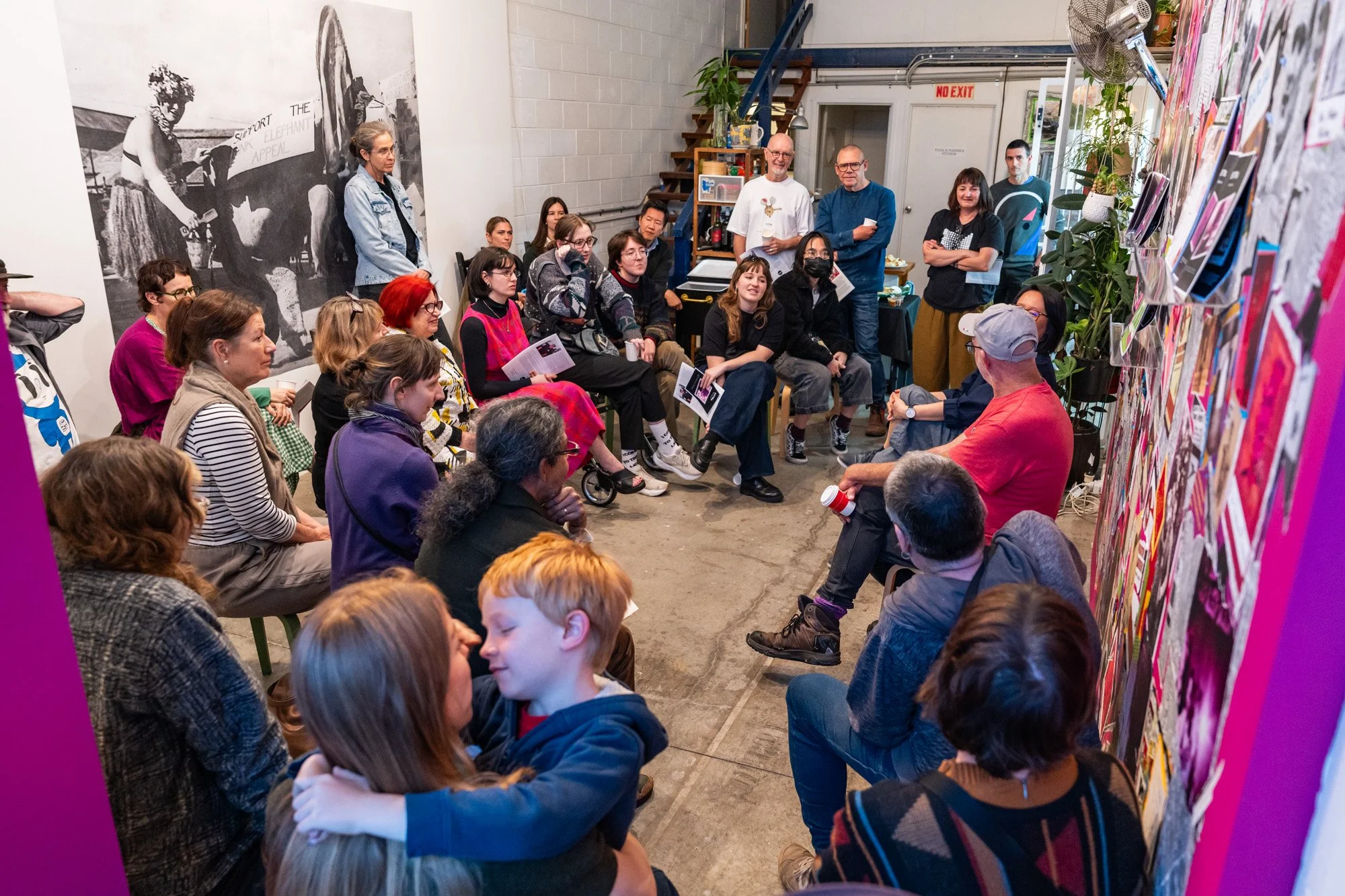
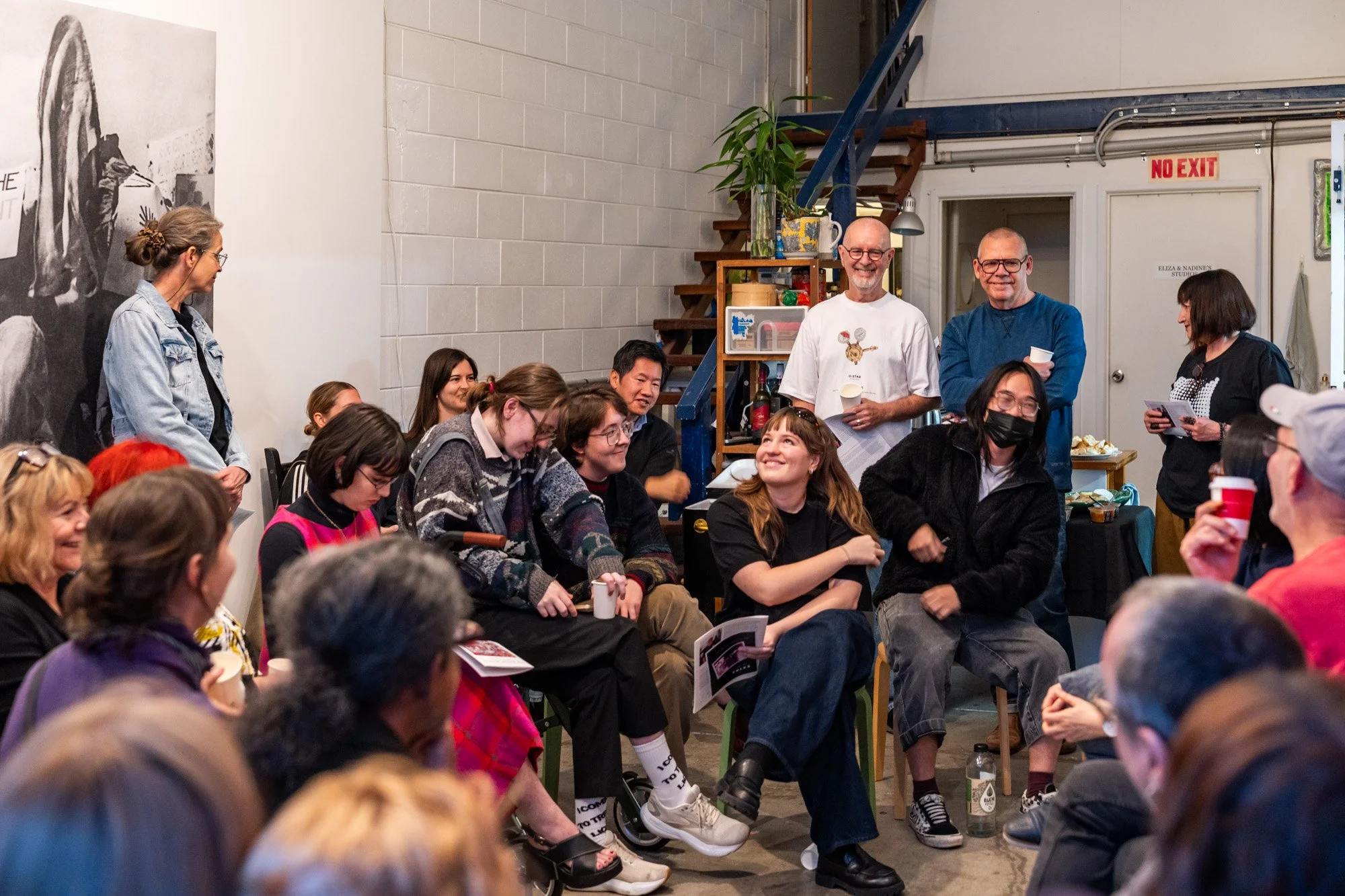
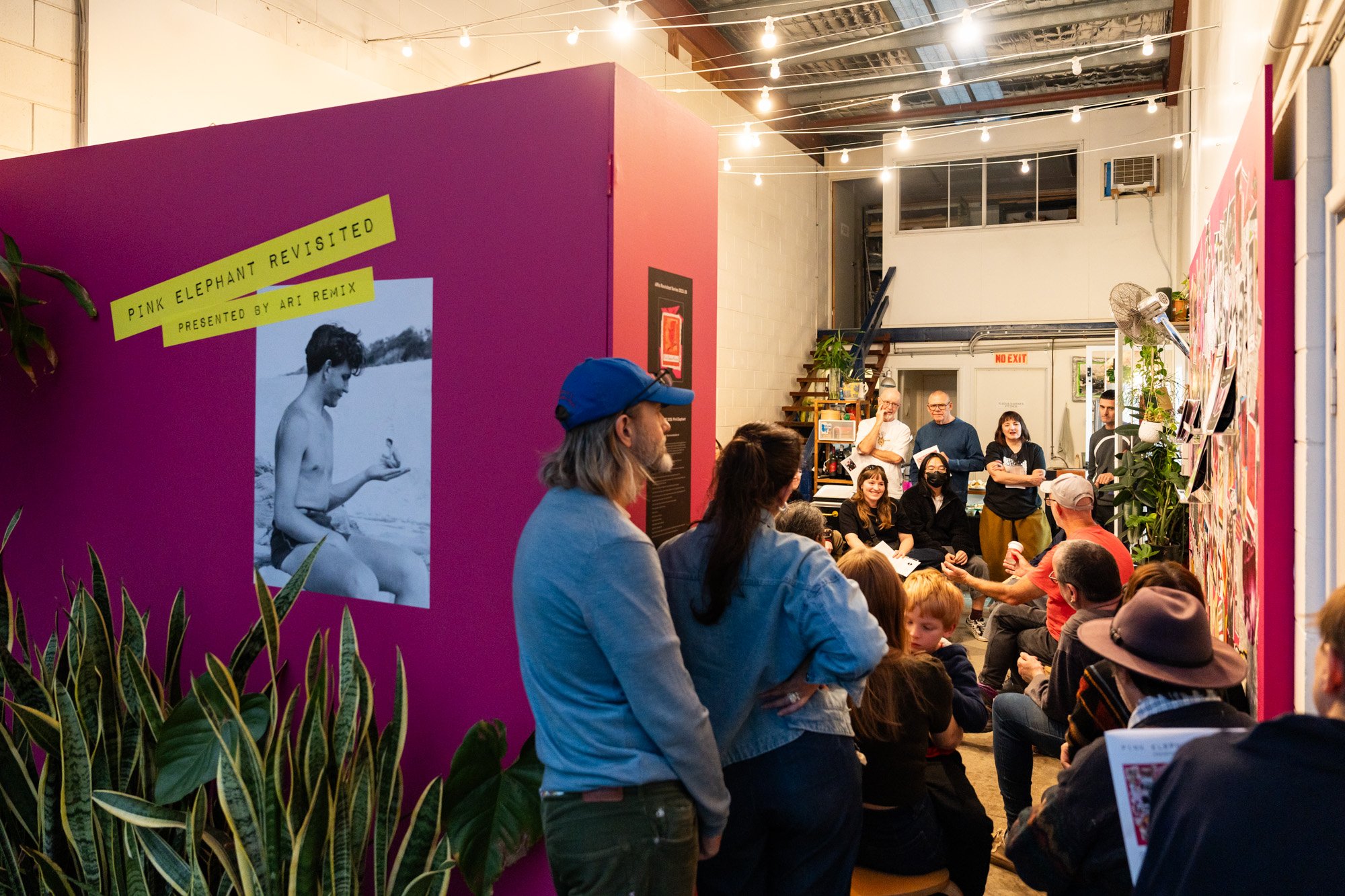
Pink Elephant Revisited Timeline
Paul Andrew
Brisbane Magandjin youth culture has a rich, and radical queer history. Artist-Run Culture and Heritage is an essential part of this history and enduring counterculture.
1908: The Brisbane Central Technical College (CTC) operated from 1908 until 1964, when it transitioned into the Queensland Institute of Technology (QIT). Its foundations trace back to the Brisbane School of Arts (1849) and Brisbane Technical College (1882). Today, the site at Gardens Point forms the historic hub of QUT. Artists educated there included Vida Lahey, L.J Harvey, Bessie Gibson, Josephine Muntz-Adams, Daphne Mayo and Joy Roggenkamp.
1911: Galmahra : the magazine of the University of Queensland was published each term from 1911 to 1932, then as an annual from 1933 to 1950. Annual editions were published in 1960, 1963 and 1968. First published by the Student Union in 1911 as the Queensland University Magazine. Originally launched to chronicle university events, it was renamed Galmahra in 1920 to embrace a more literary and artistic student voice.
1923: The “Bohemia Theatre” operated in South Brisbane from 1923 until 1940 (when it was used as a stadium) before being demolished in 1954.
1923: The Trocadero Dansant was a historic, high-class dance hall located on Melbourne Street in South Brisbane. It was operational for over two decades during the Roaring Twenties and World War II. The hall was famous for its highly-polished spring floor, 52 vine-clad alcoves, queer photo opportunities on a Mélièslike crescent moon and for serving as a major entertainment hub for American servicemen during the Pacific War. It closed in 1945 and was eventually demolished in the 1950s.
1936: In Brisbane Magandjin, “Unity Theatre” is the former name of a historical political and radical theatre group active between 1936 and 1949. It is the predecessor to what later became the New Theatre Club, producing plays focused on anti-fascist propaganda, trade union solidarity, and working-class struggles. The original New Theatre Club (operating in Brisbane from May 17, 1949, until 1962) was a radical political theatre group. It included performances of anti-fascist, working-class plays, and shows critical of colonialism, racism, and capitalism.
1939: The Oasis Tourist Gardens and Swimming Pools was a beloved Brisbane landmark in Sunnybank, operating from 1938 until closing permanently in 1989. Established by the Pottinger family, the sprawling eight-acre tropical property served as a major rest and recreation hub for American military personnel during and after World War II.
1940: Founded in 1940 in Brisbane by Clem Christesen, Meanjin is one of Australia’s oldest and most prestigious literary and cultural journals. It primarily features Australian writing alongside global issues, balancing high-level intellectual essays, creative writing, and commentary on contemporary society and the arts.
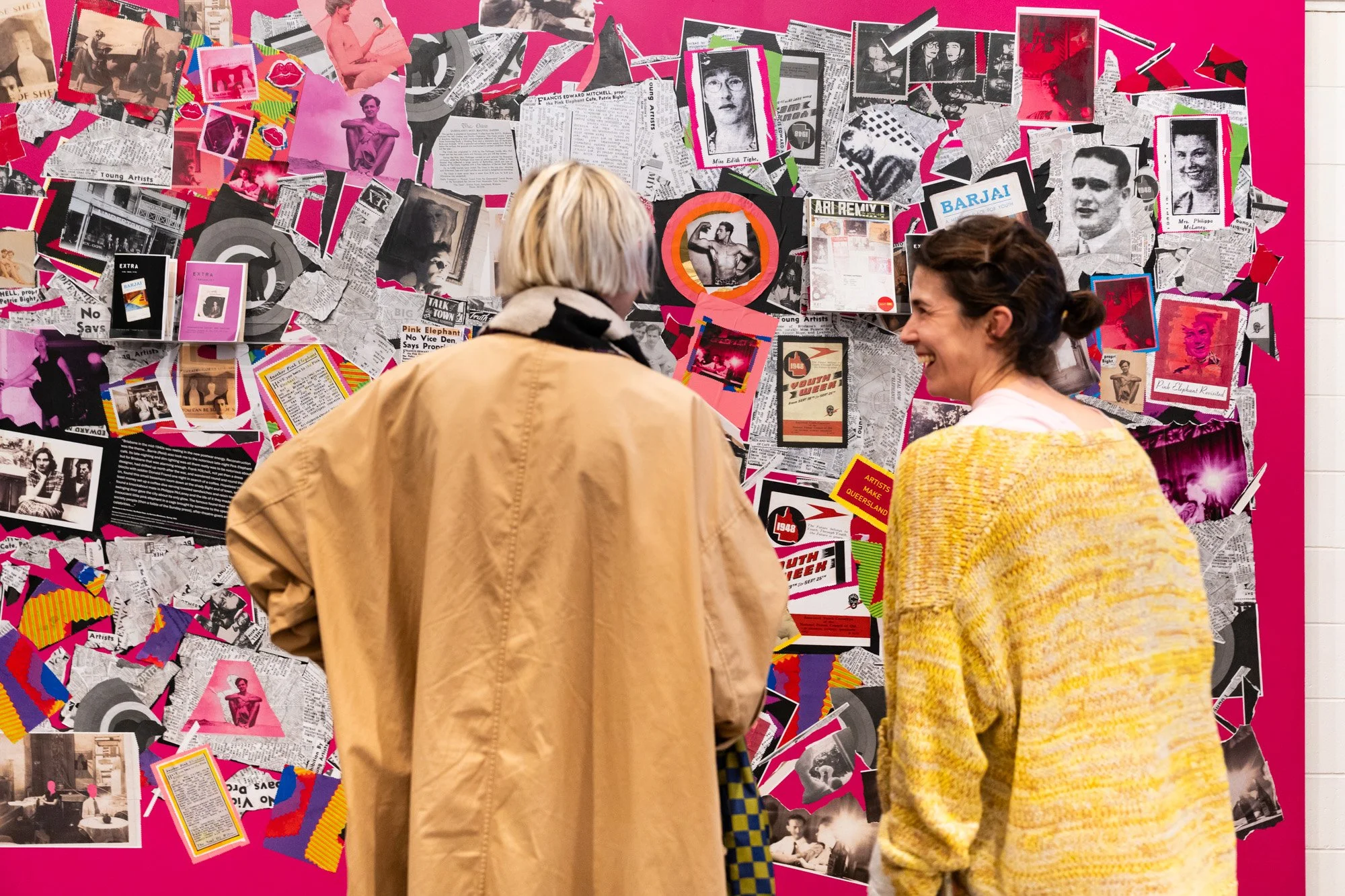
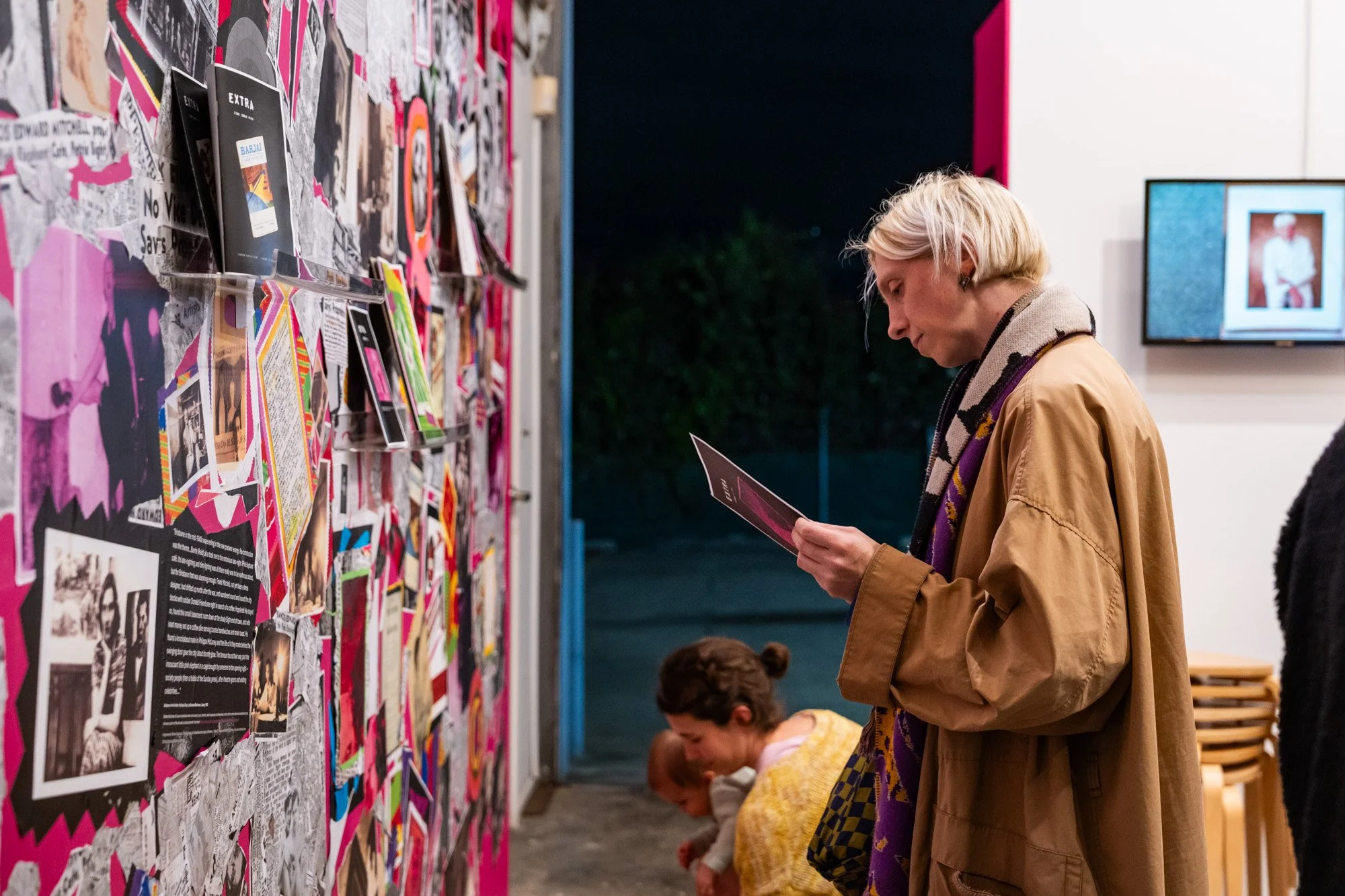
1943: Barjai was an avant-garde youth art, literary and networking magazine published in Brisbane between 1943 and 1949. Emerging from its circle of artists, the Miya Studio was formed in 1945.
1945: The first Miya Studio exhibition was held in the basement of the School of Arts in South Brisbane. April 21–July 24, 2016: A major archival retrospective, “Barjai and Miya Studio,” was hosted by the University of Queensland Art Museum (UQAM) to revisit these trailblazing 1940s artist cooperatives and communities of practice.
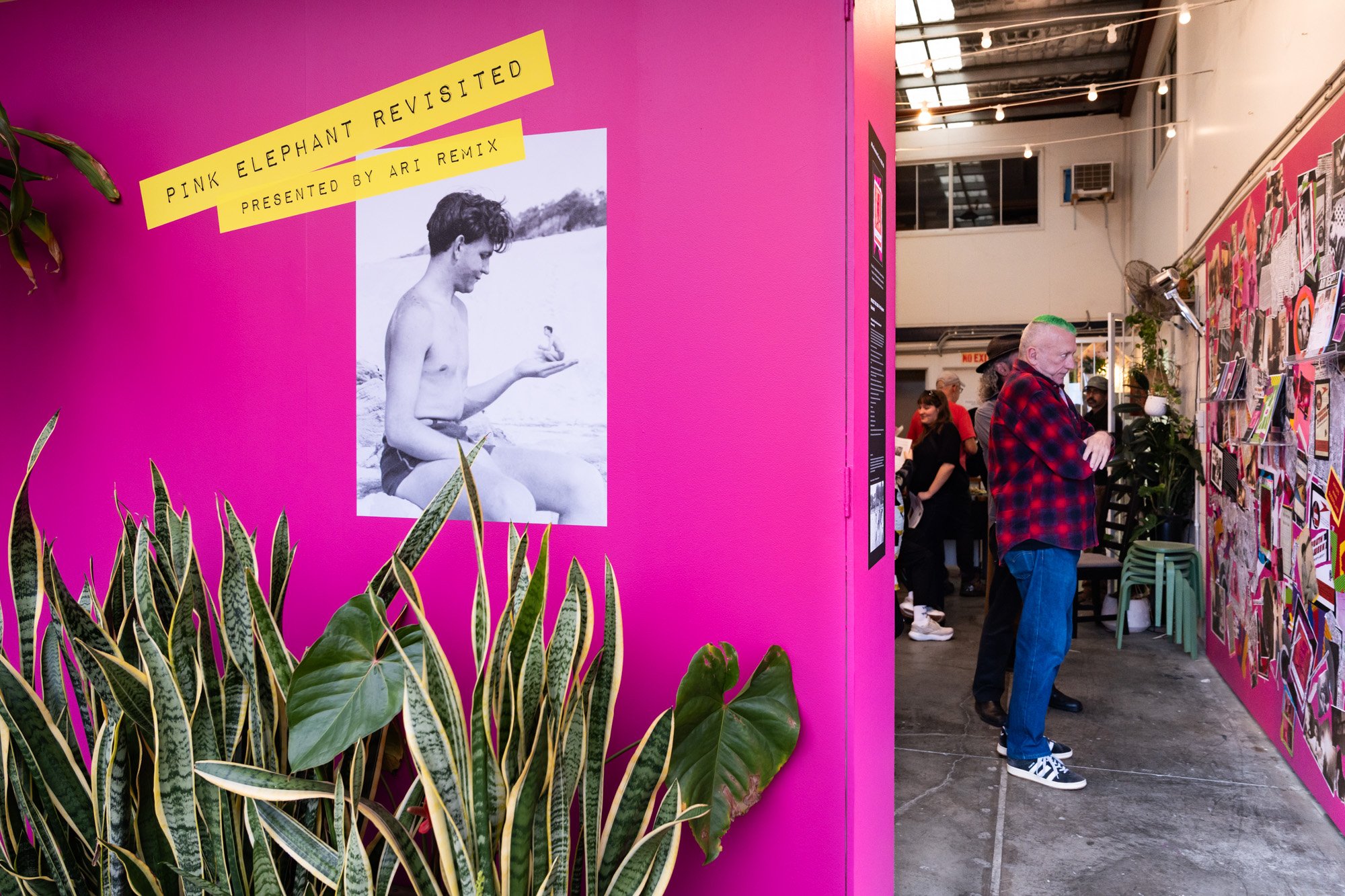
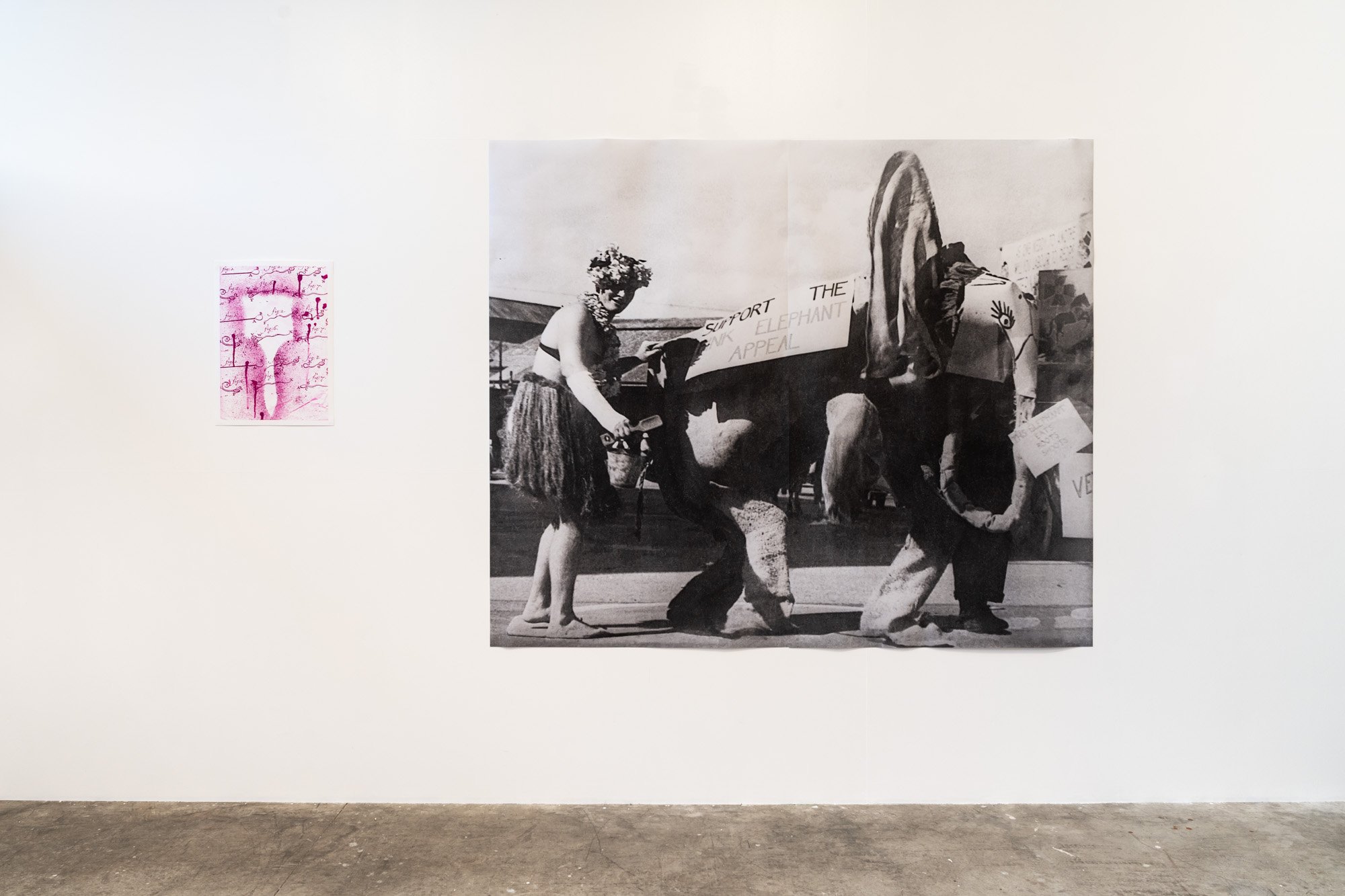
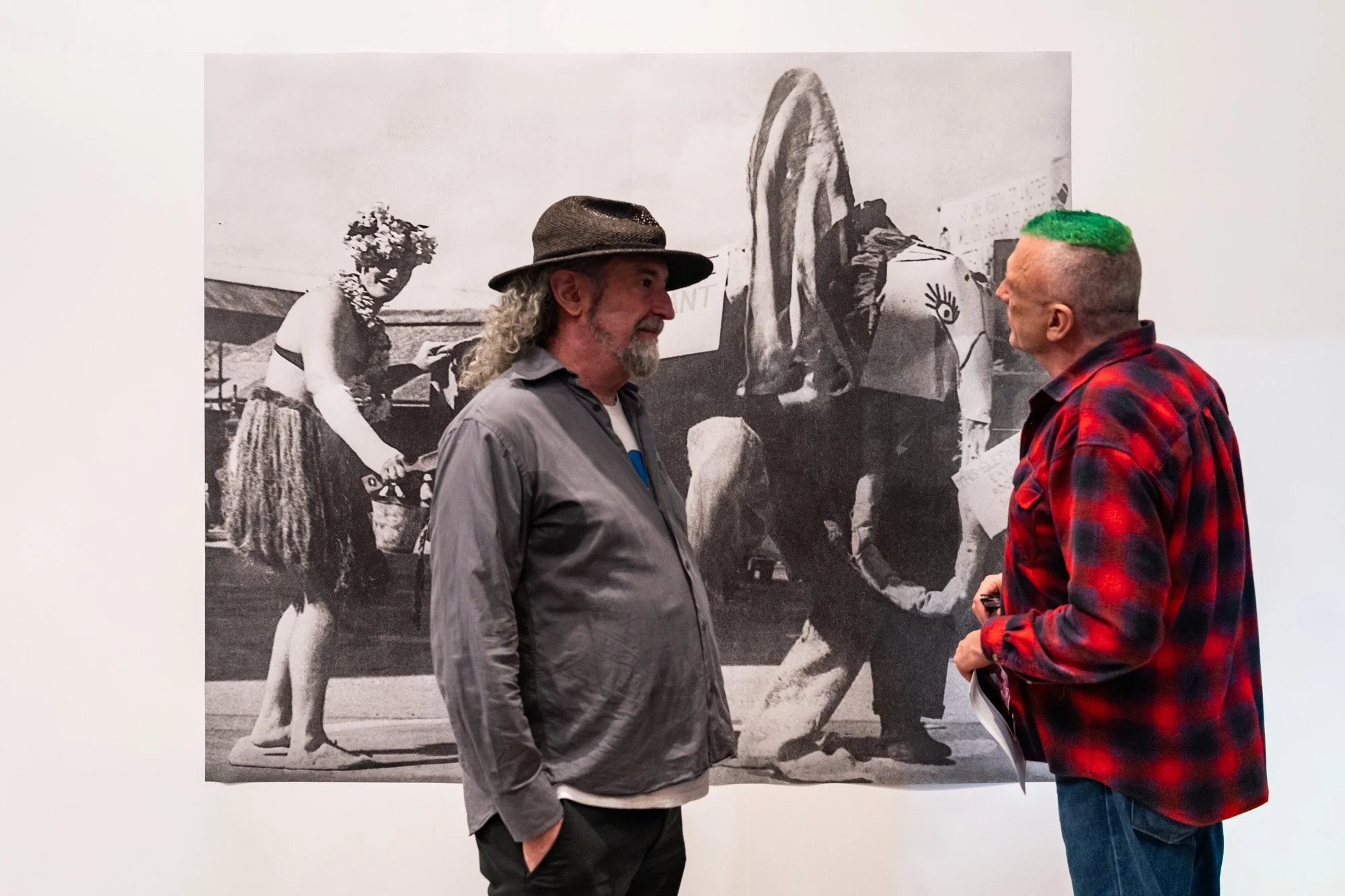
1945: Frank Mitchell’s conceived the radical idea for the Pink Elephant on a Sunday afternoon swim at The Oasis in Sunnybank in the Summer of 1945.
1946: In early 1946 the Pink Elephant opened next to a funeral parlour and florist shop in Upper Queen Street at 552, adjacent to Customs House. From 1946-1949 it became an inner-city arts and community oasis.
1946-48: The historic Ballad Bookshop was a queer sister space to the Pink Elephant. Also a cultural hub in Bowman House on Adelaide Street in Brisbane. Managed by lovers Barrie Reid and Charles Osborne, it famously served as a meeting place for the “Barjai” group of poets and artists and an exhibition space for Forties painters including Sidney Nolan, Lawrence Hope and Charles Blackman.
1946-47: The Yallalla Studio was an artist-run creative space operating in Brisbane during the late 1940s. Founded in the attic of a family home in Toowong, it served as a hub for collaborative art, sketching, and touring exhibitions. Joy Roggenkamp, her brother Kenneth and their friend Peter Abraham.
1948-1950: Youth Charter, Peace Day/Peace Rallies and Full Adult Pay at 18 years of age. Many youth culture events including Pamela Crawford (nee Seeman) addressing the Youth Charter Conference in 1949 pictured above. With unidentified colleagues including Australian political activist and artist Oodgeroo Noonuccal to her right. Courtesy: James and Pamela Crawford - University of Queensland, Fryer Library. UQSL301: Box 9, Folder 1.
1949: The original New Theatre Club (operating in Brisbane from May 17, 1949, until 1962) was a radical political theatre group. It included performances of anti-fascist, working-class plays, shows critical of colonialism, racism, and capitalism, it created an art collection and library of arts resources and publications.