16 to 30 April 2026
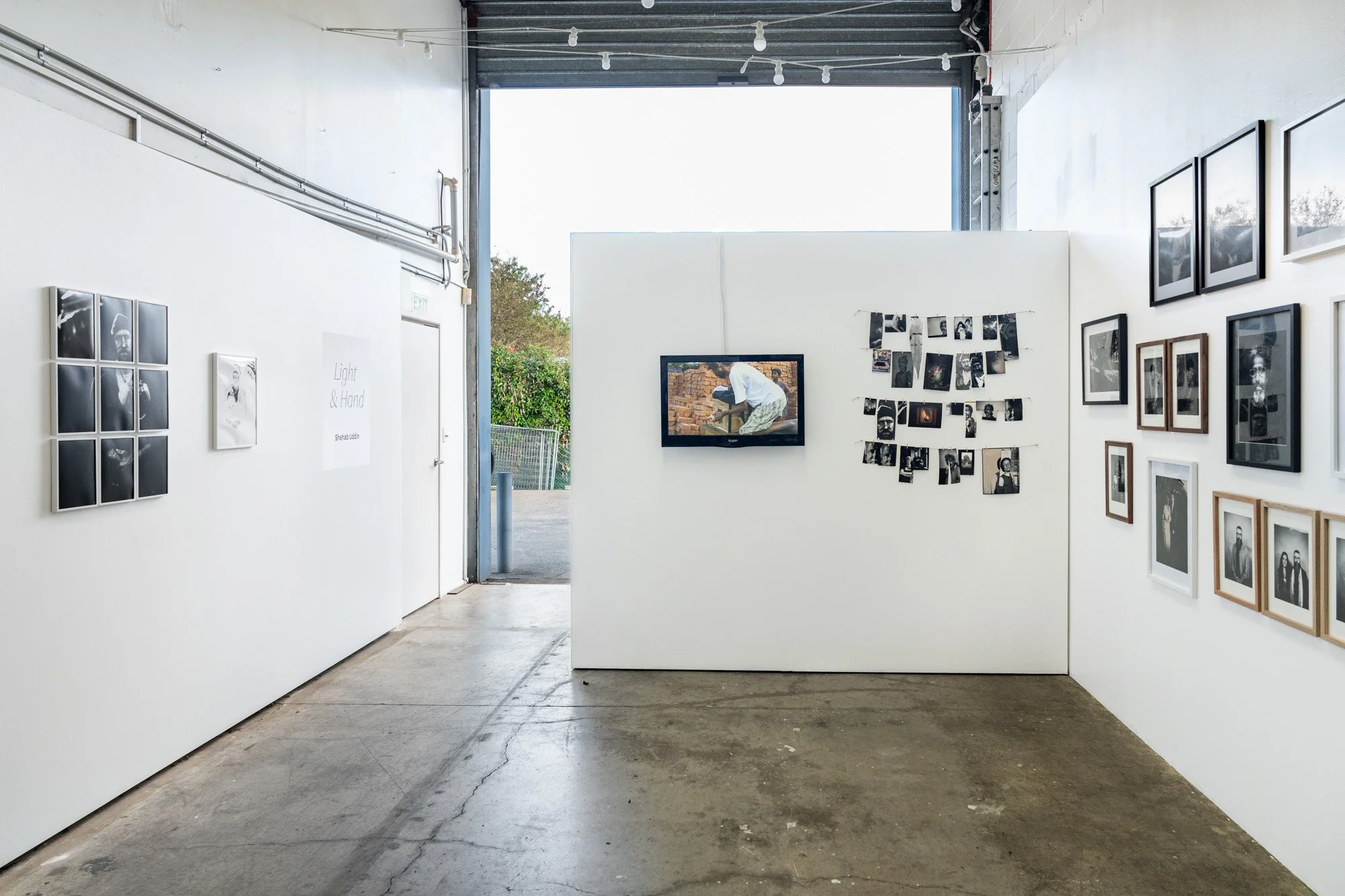
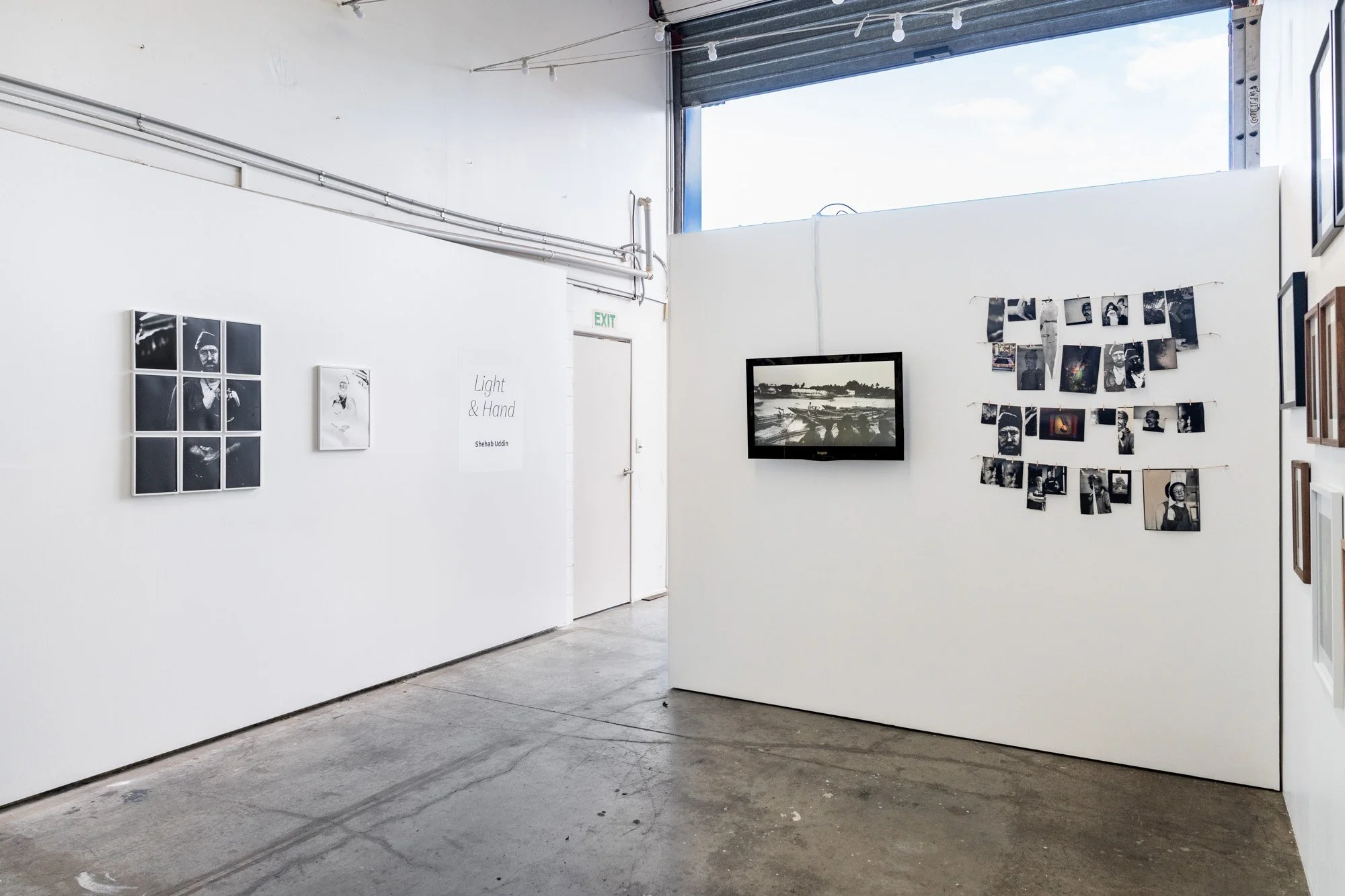
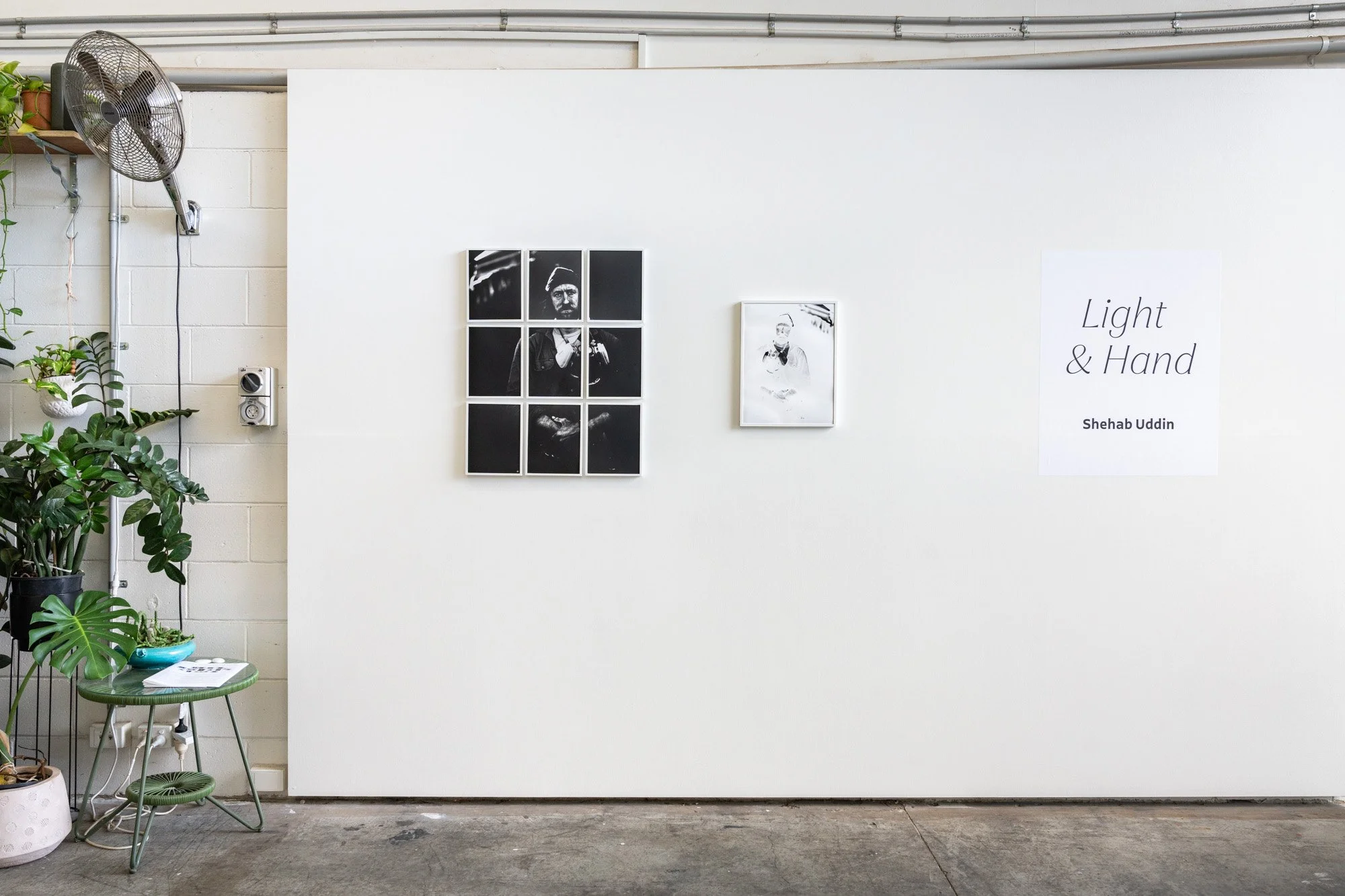
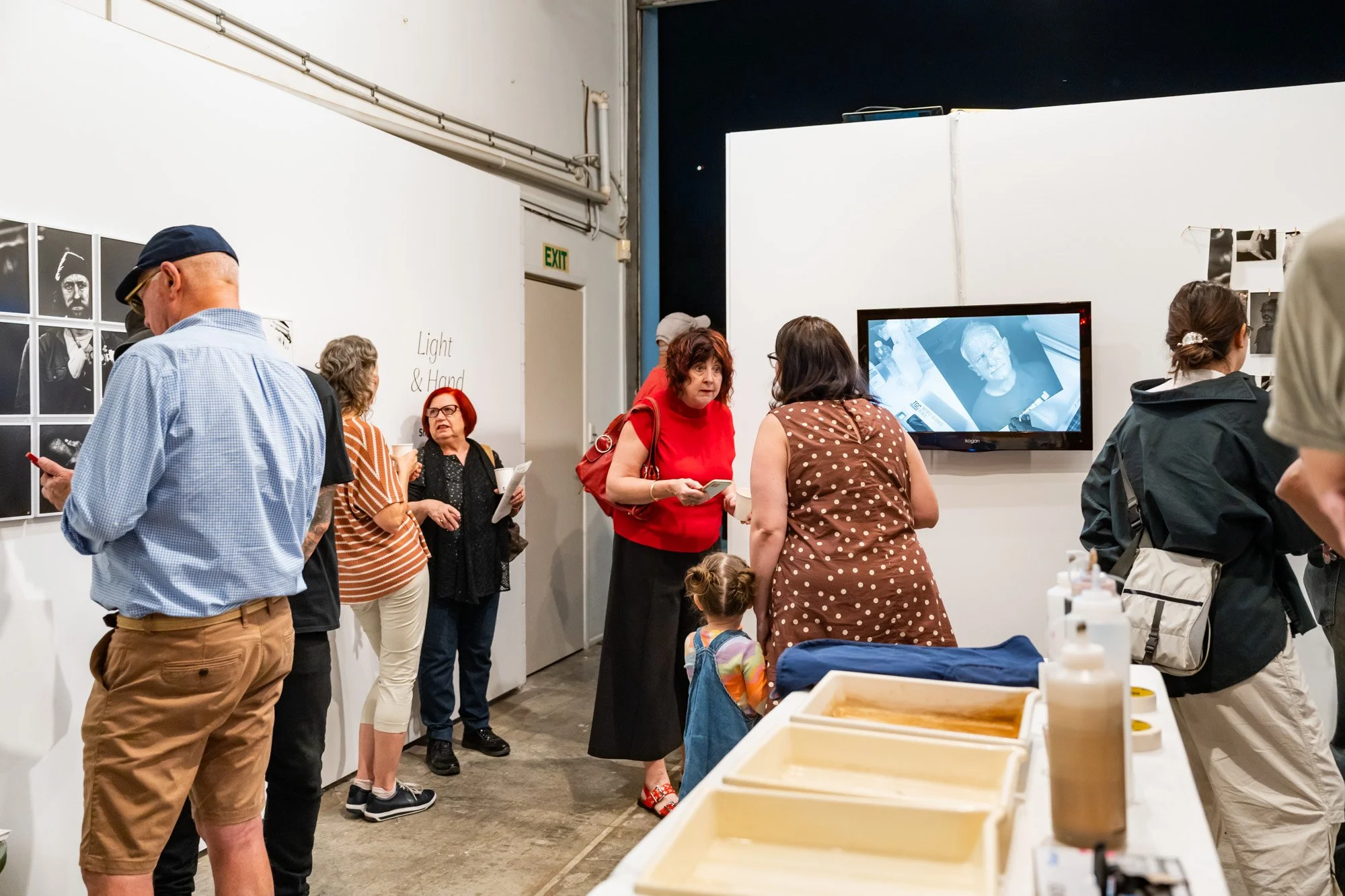
Light & Hand explores photography at its most elemental—where light, touch, and time come together to form an image. This exhibition brings attention to the often unseen relationship between the human hand and the physical processes behind photography, revealing how images are shaped not only by what is seen, but by how they are made.
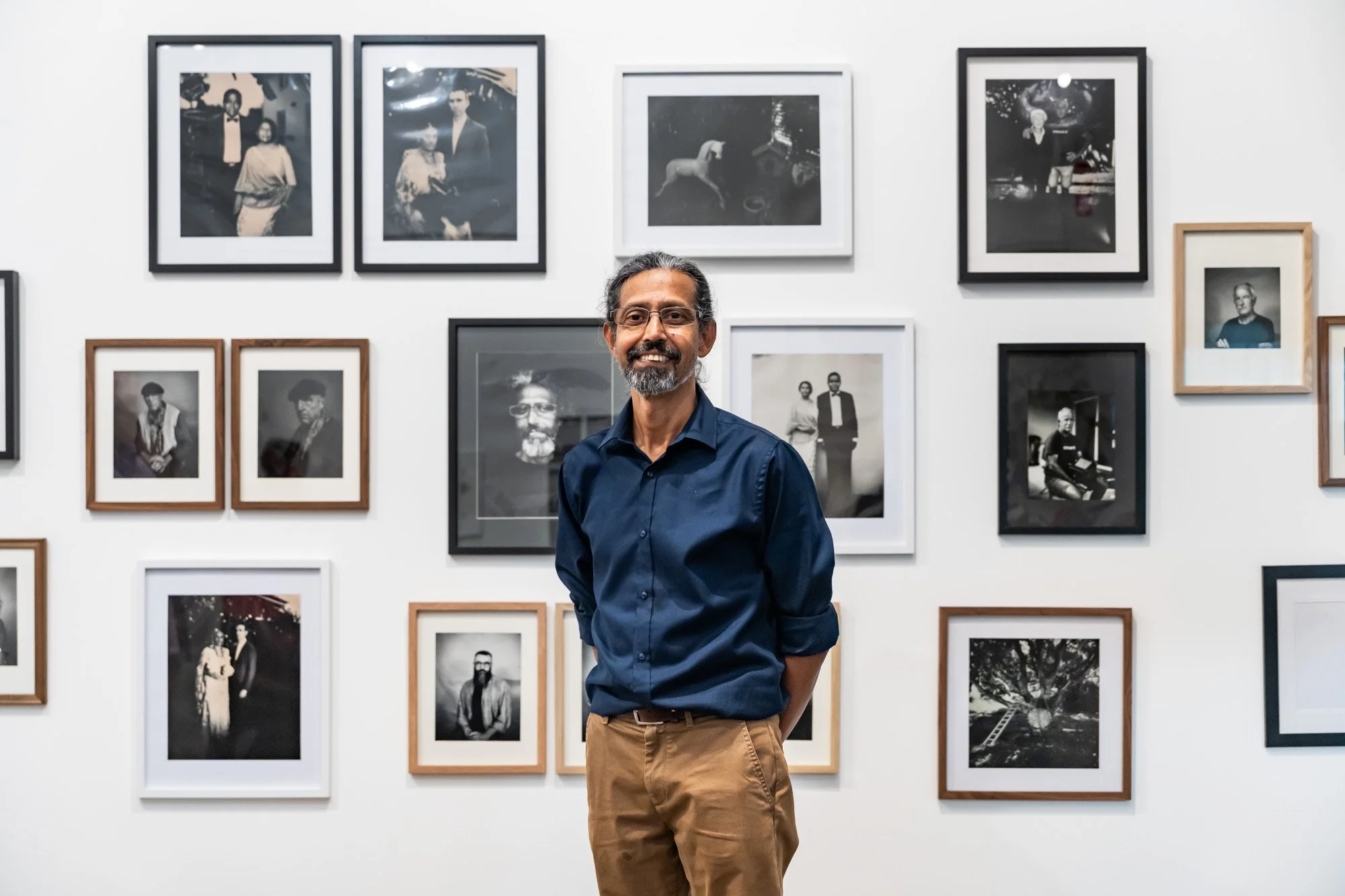
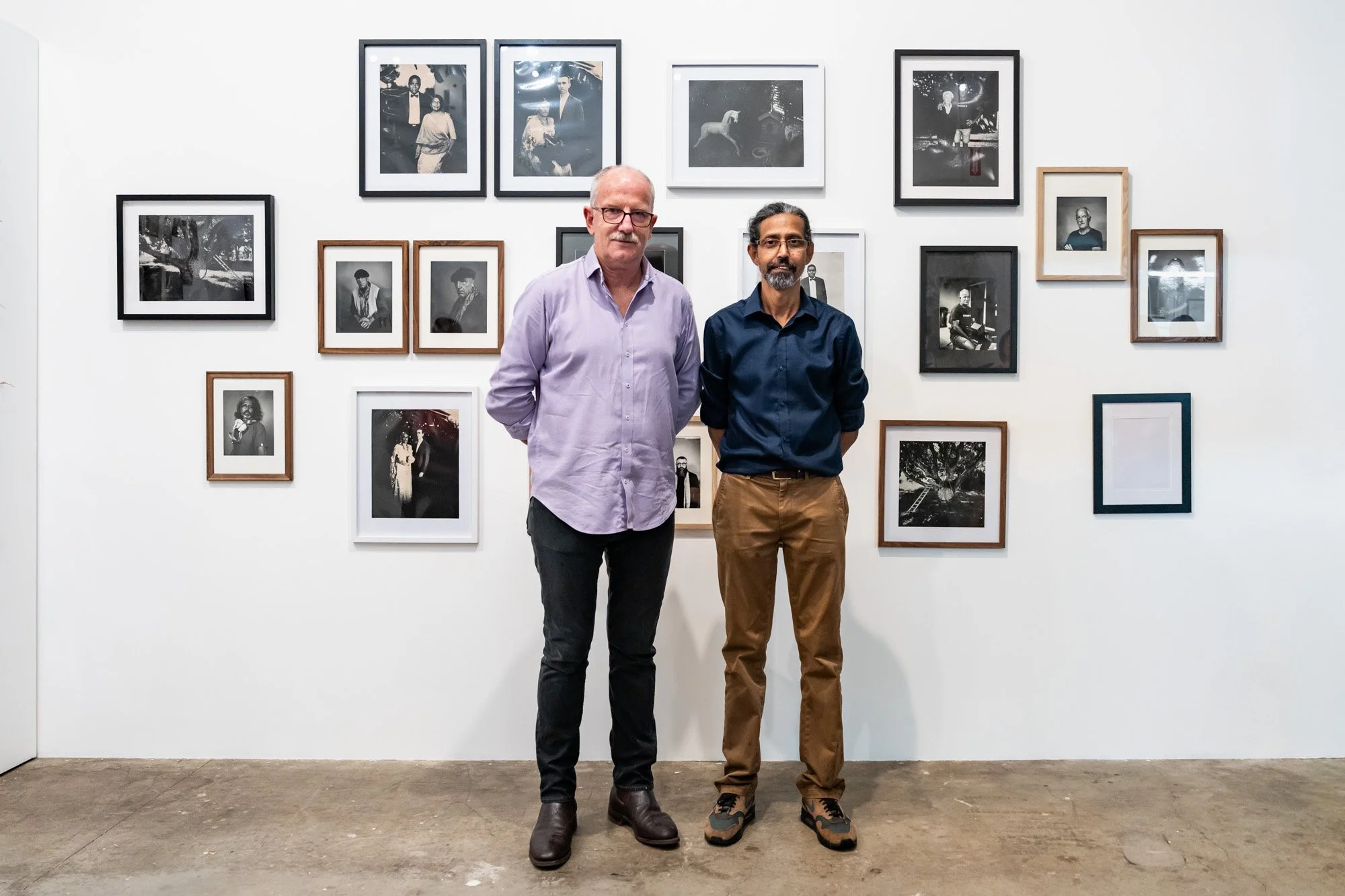
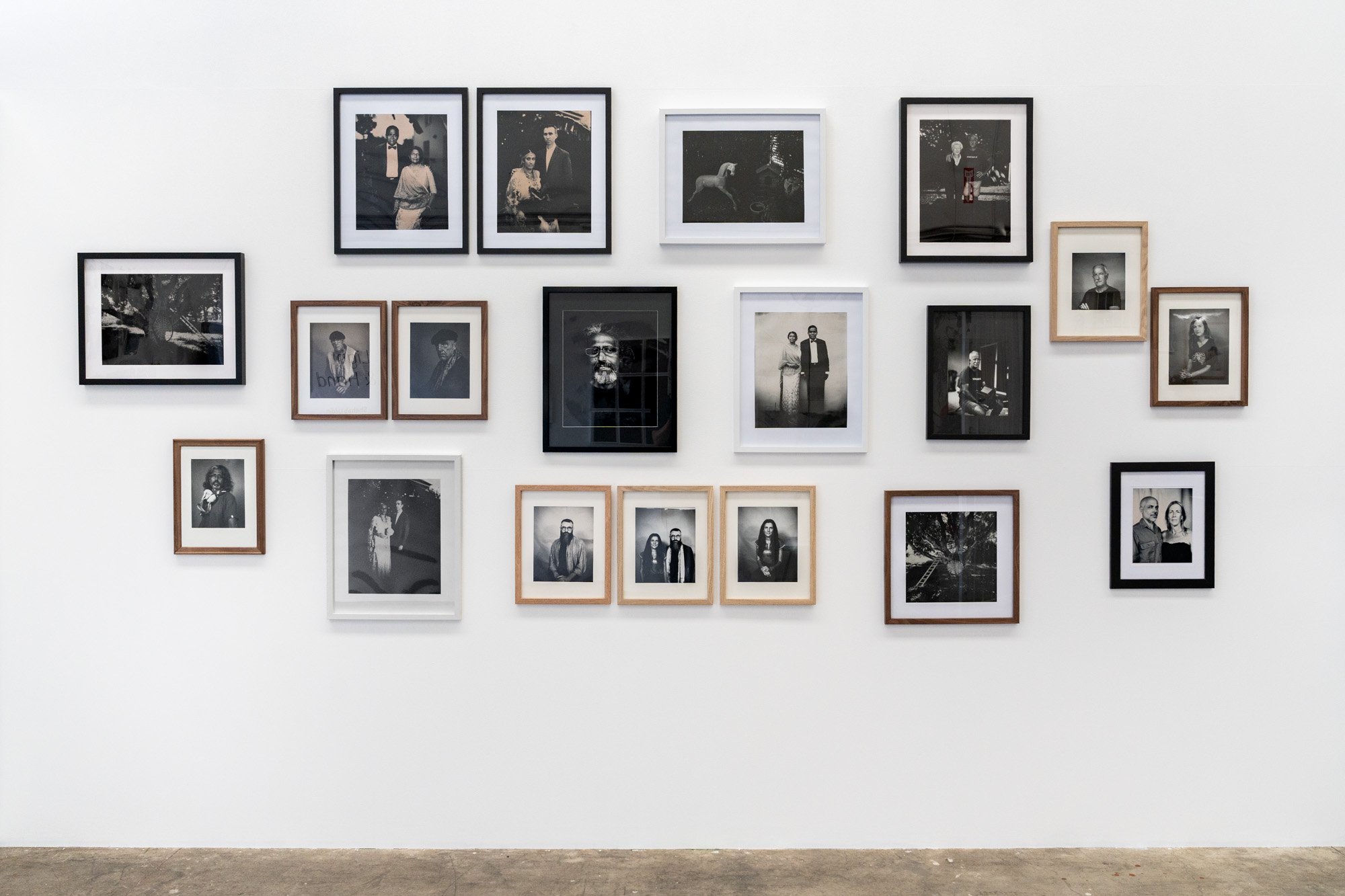
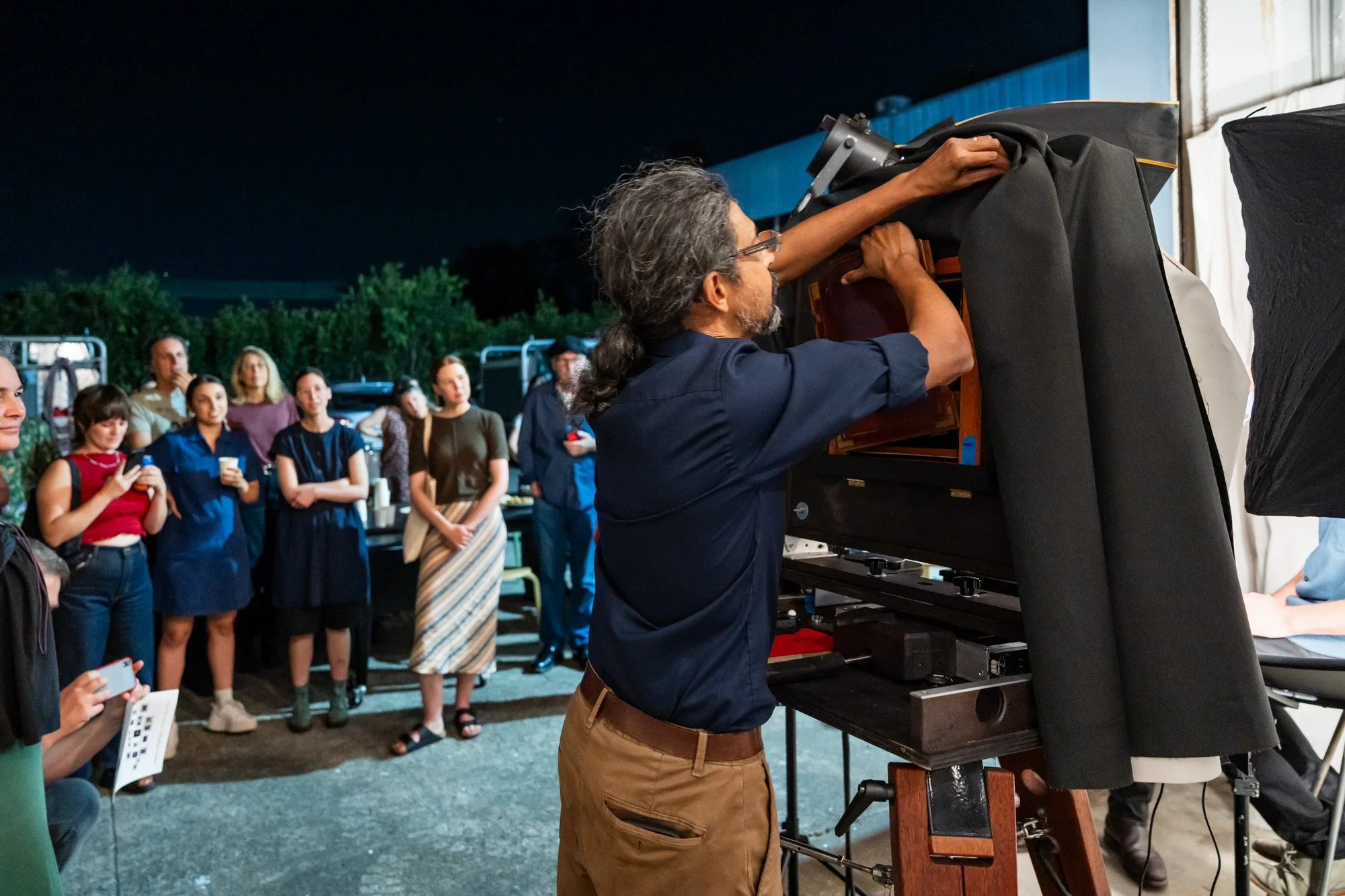
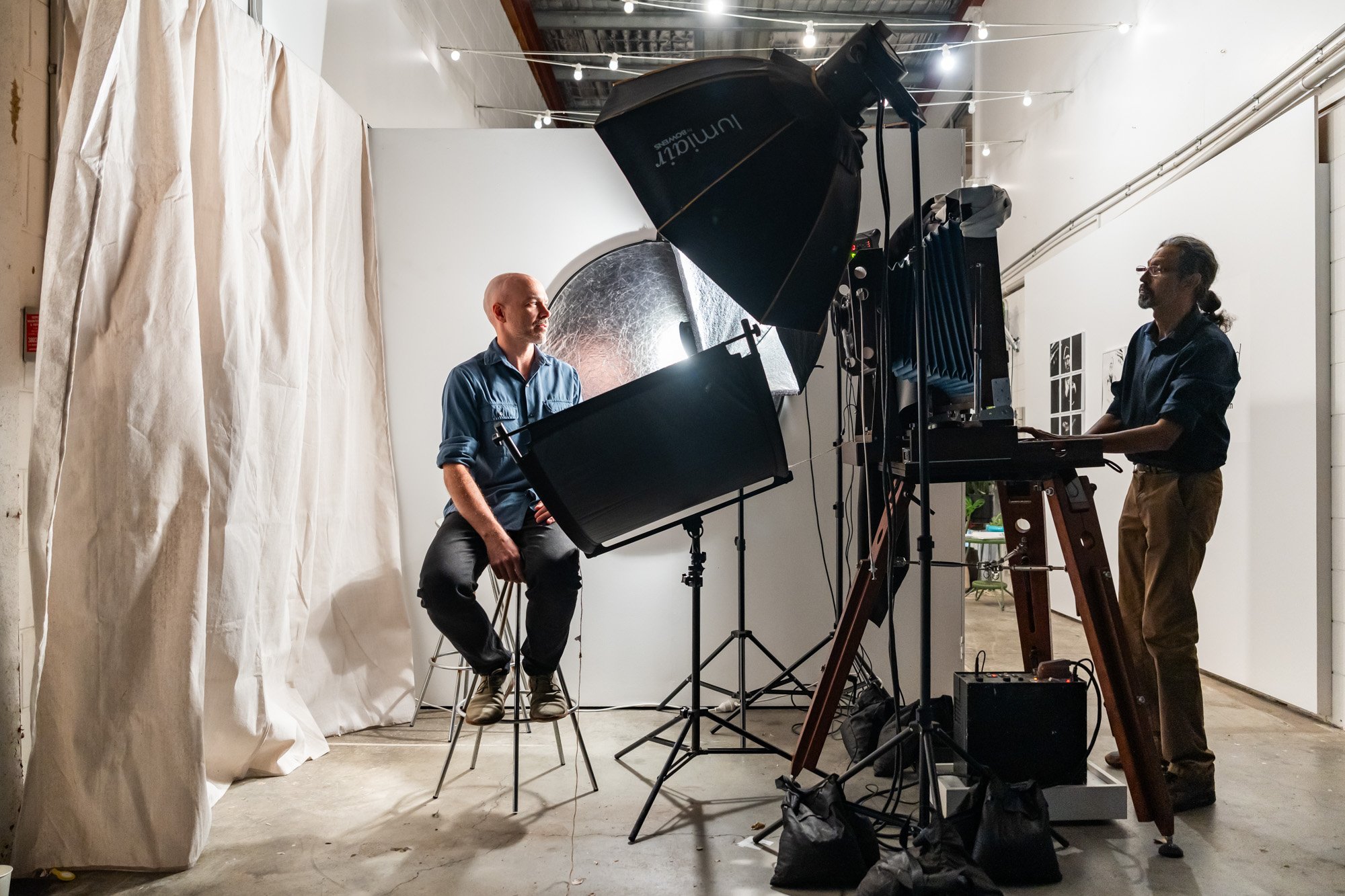
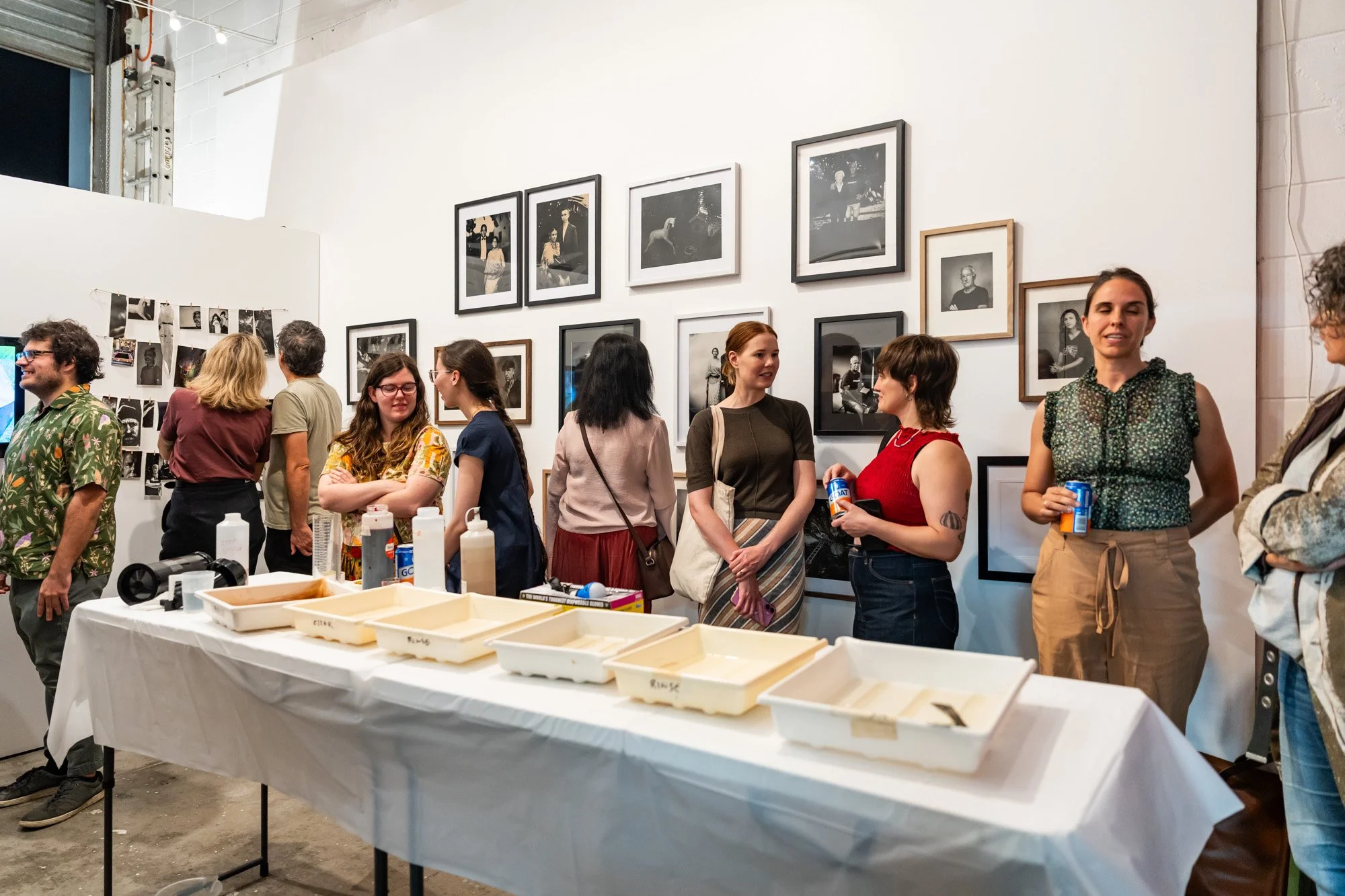
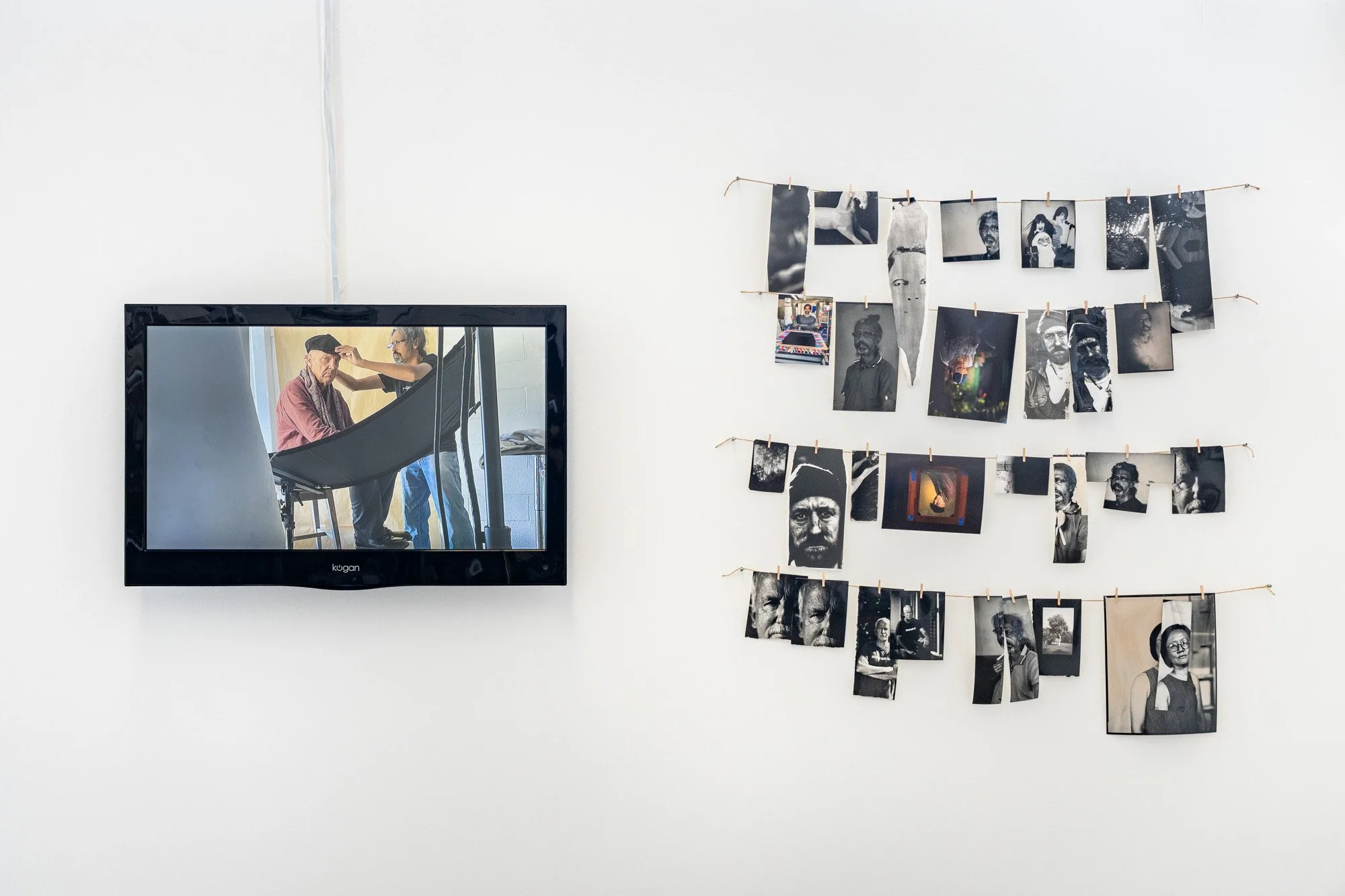
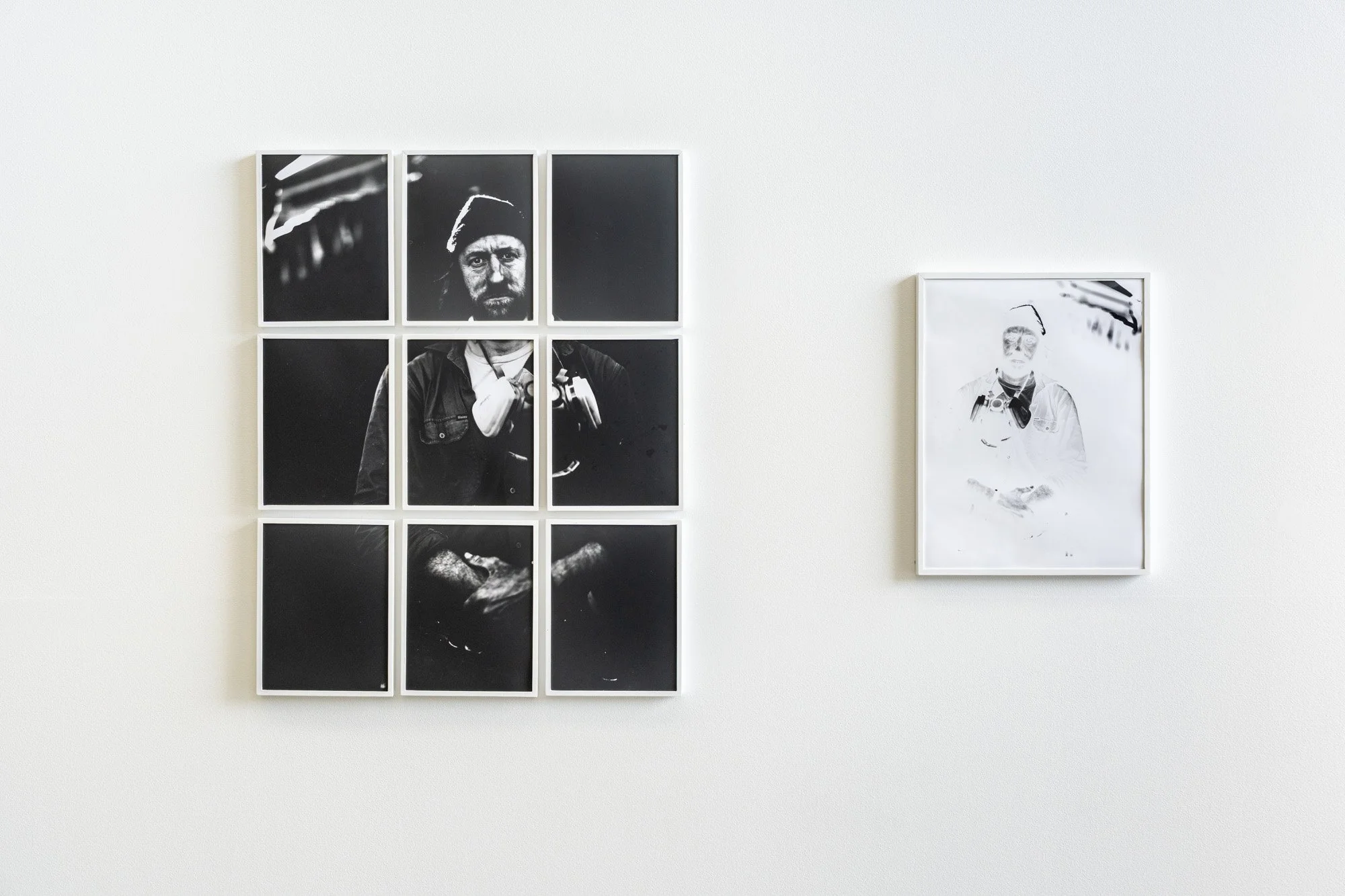
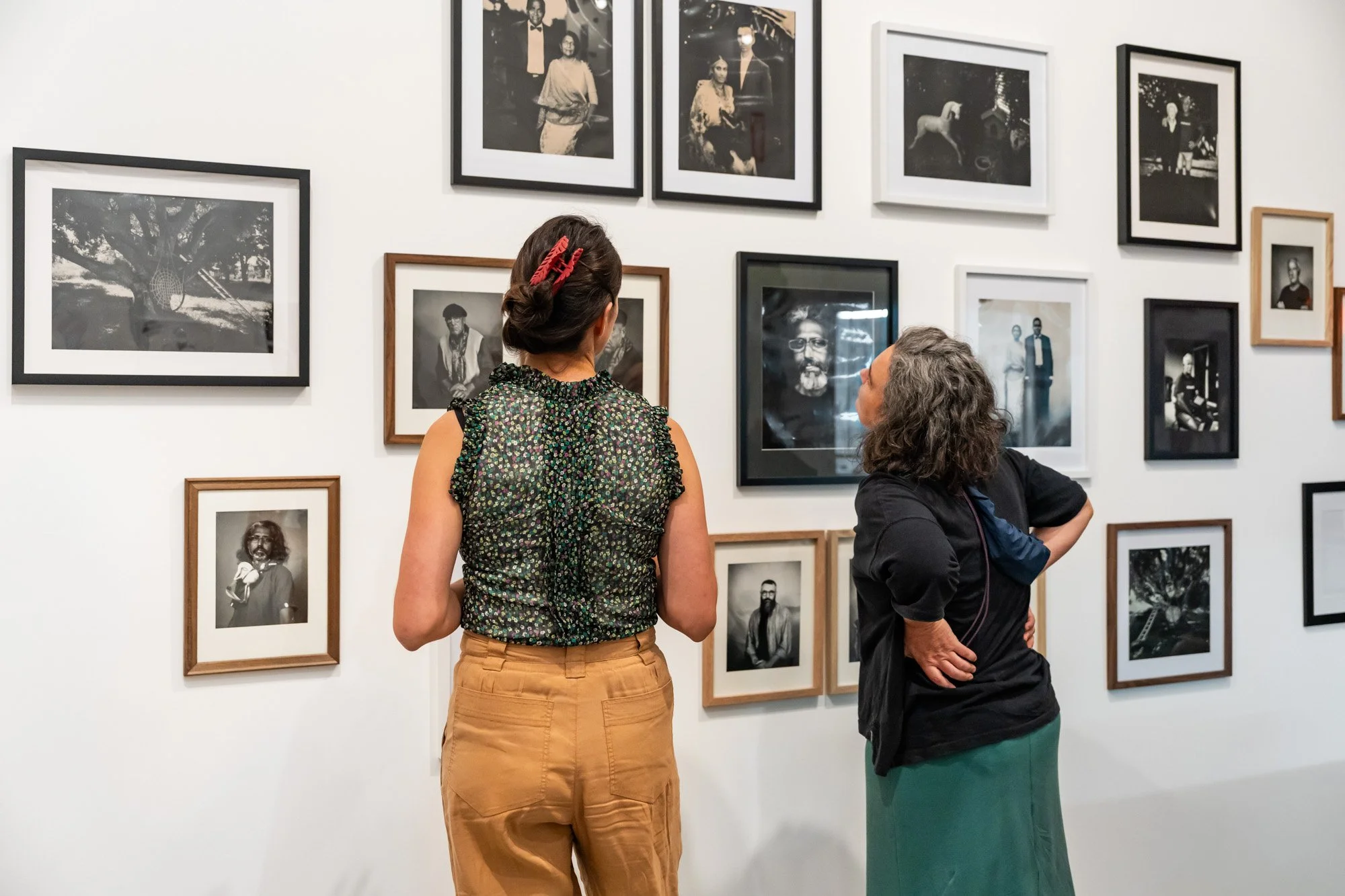
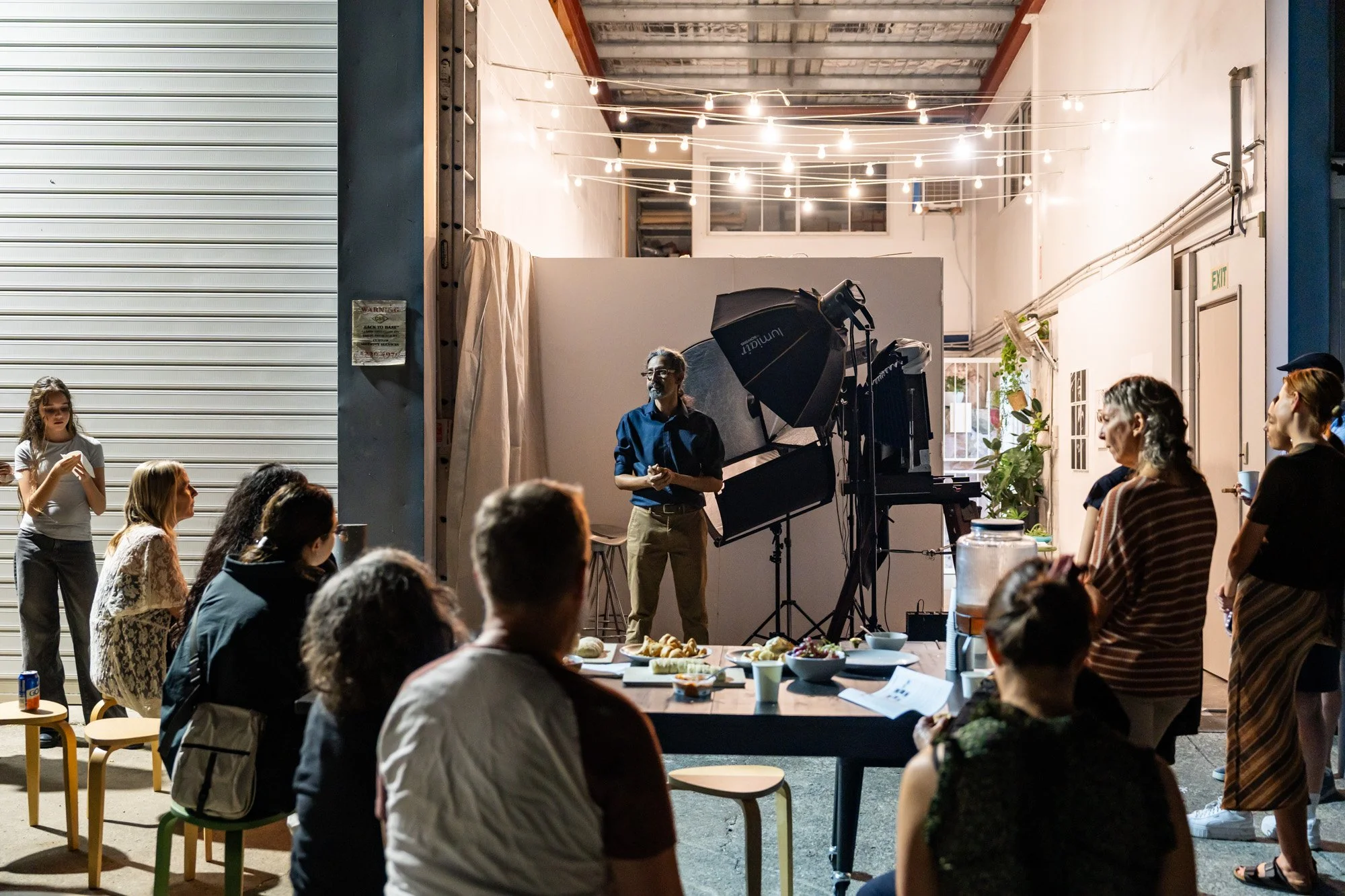
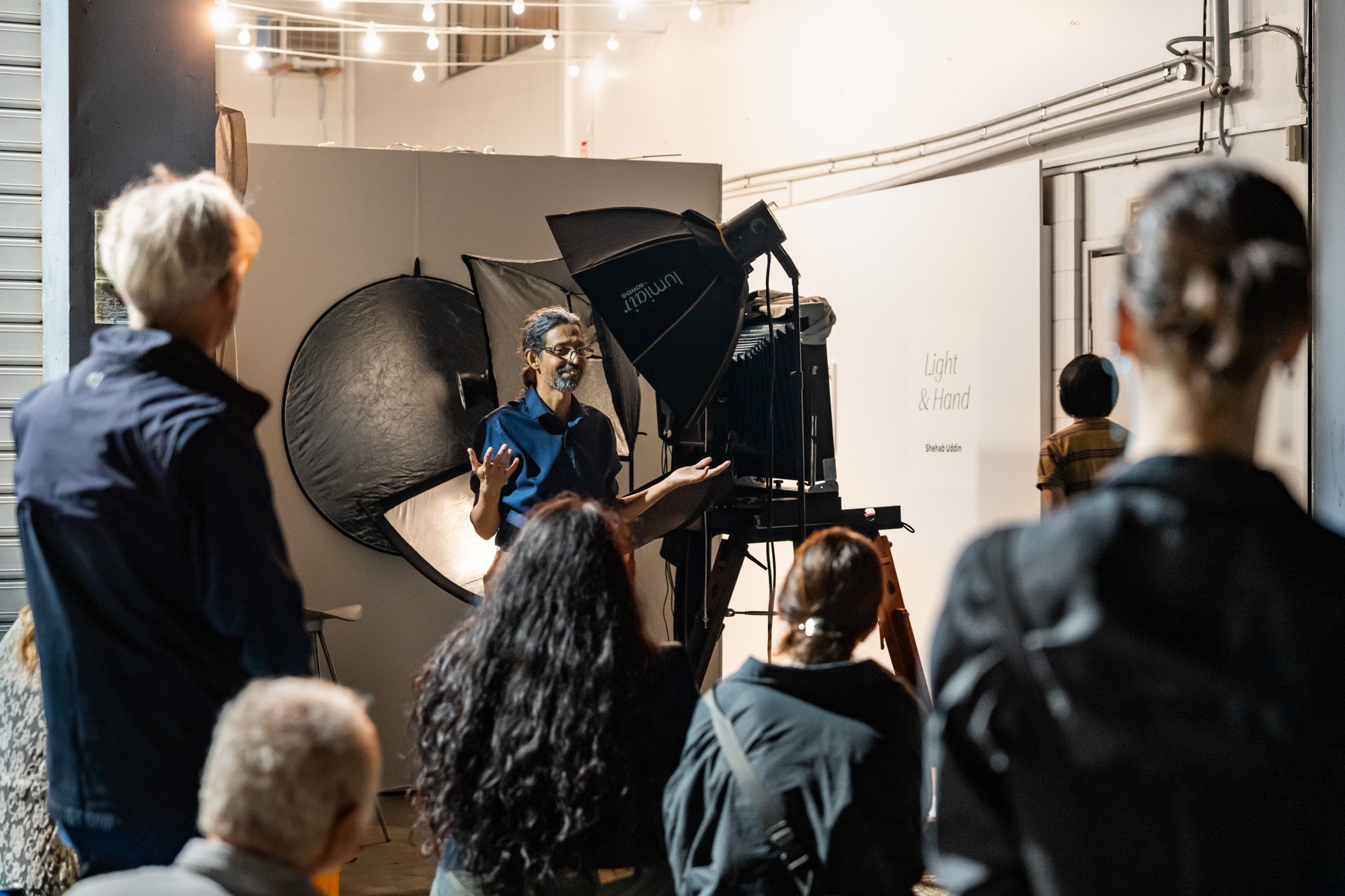
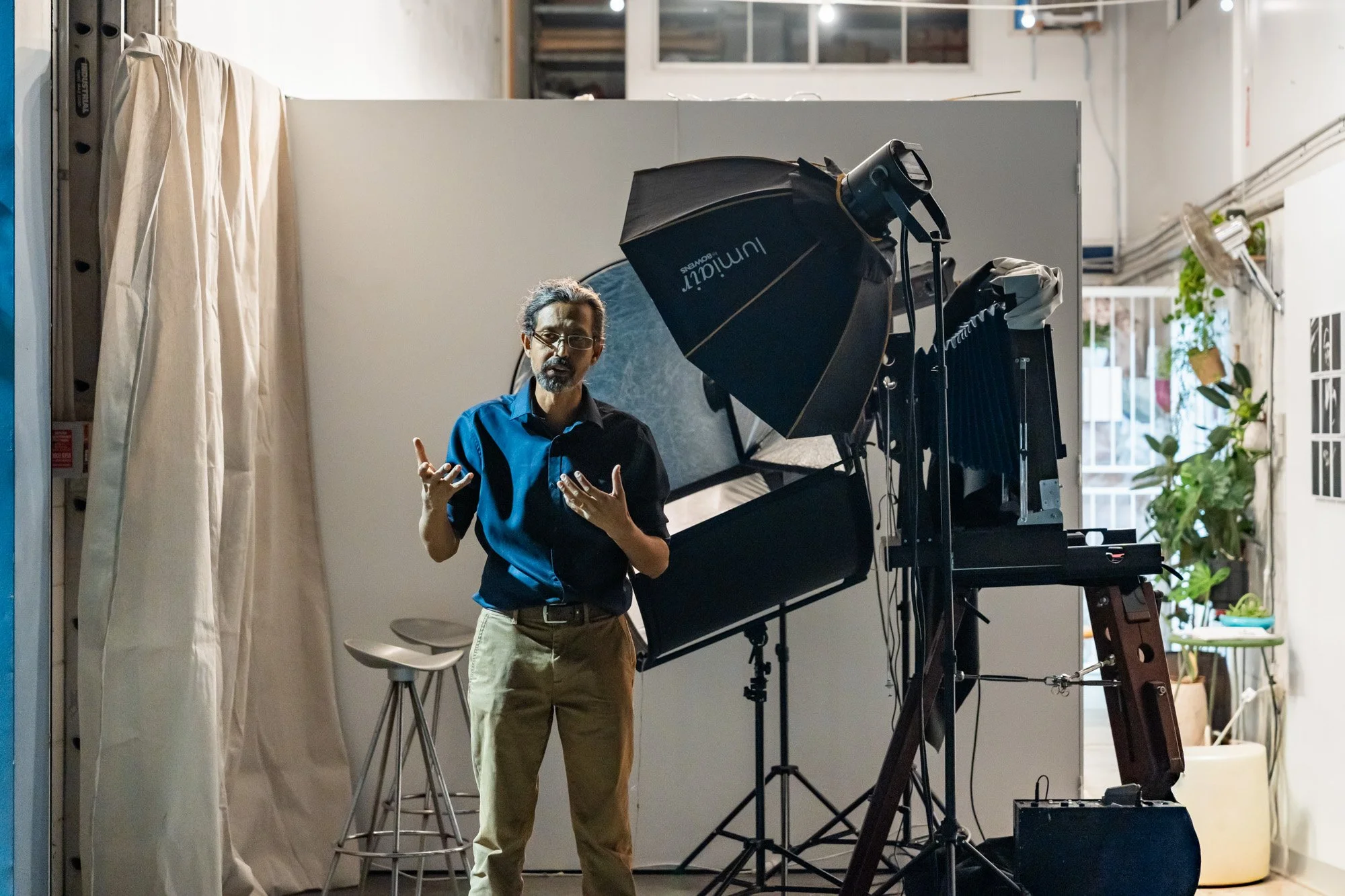
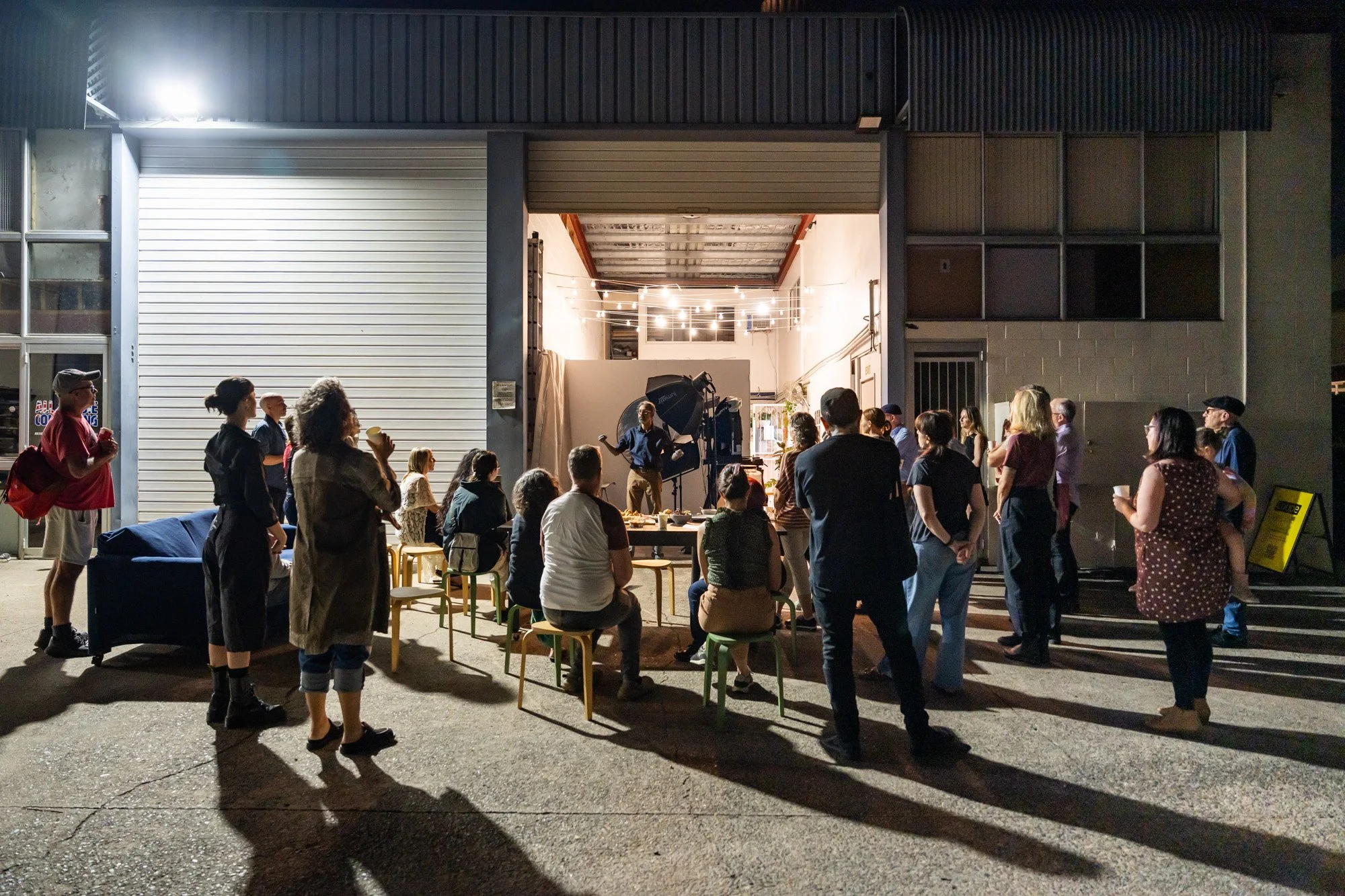
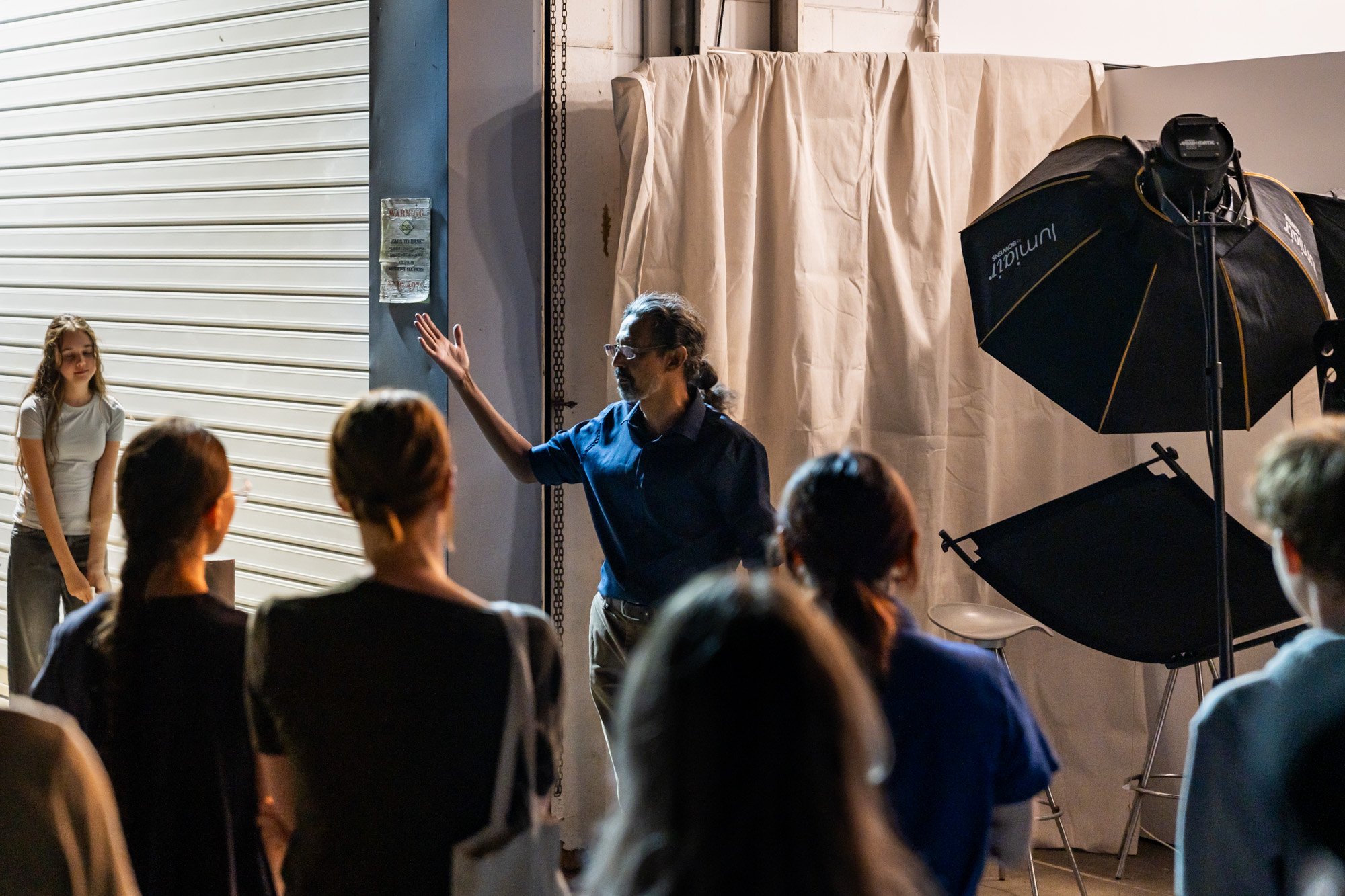
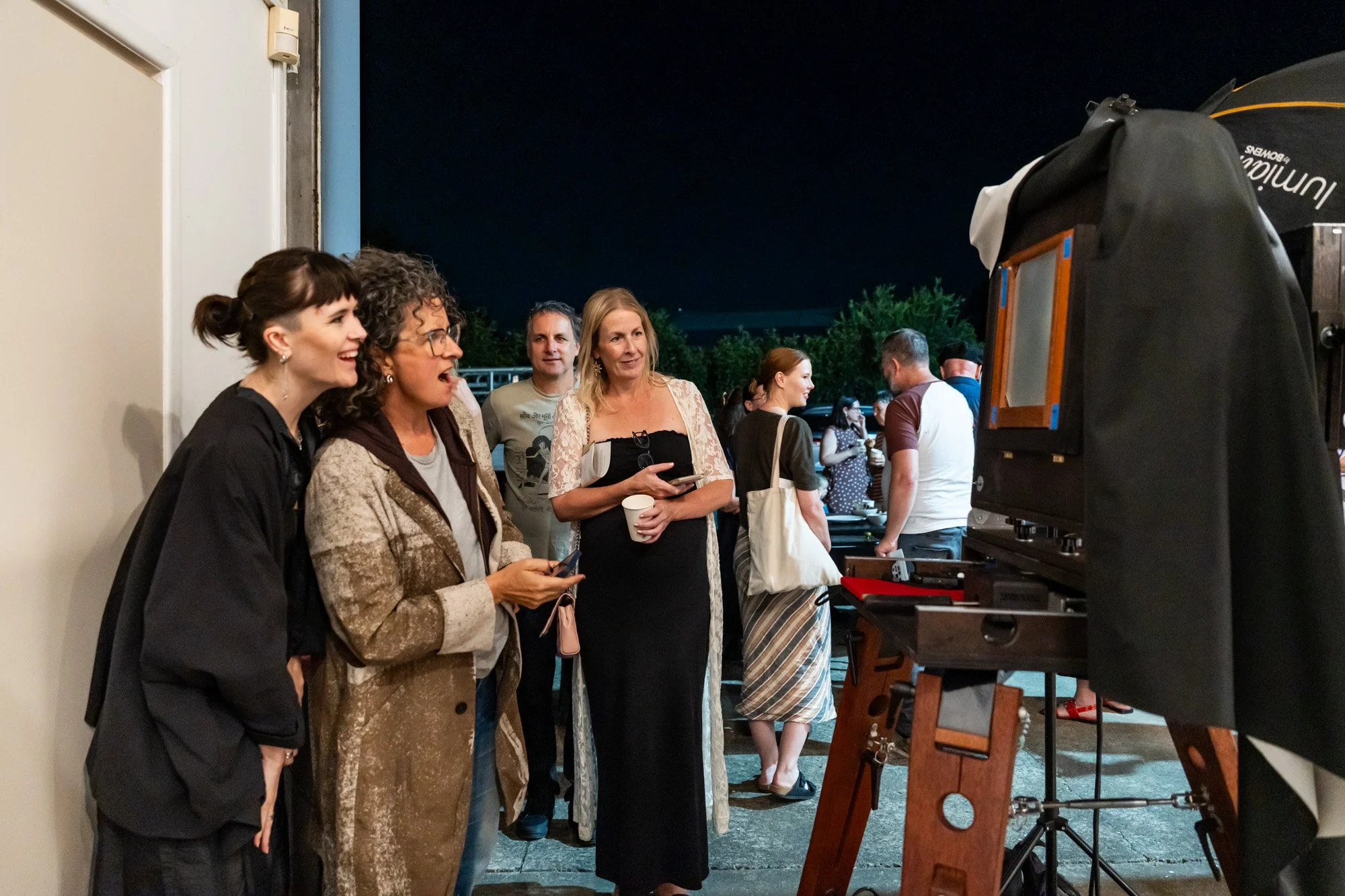
At the heart of the project is a handcrafted, ultra-large-format camera, built collaboratively by Shehab Uddin and Shaun Singleton. Both a tool and an artwork in itself, the camera reflects a deep commitment to slowing down the photographic process and engaging with it in a tactile, intentional way. The photographs presented—portraits and landscapes—are created using this camera alongside traditional darkroom techniques, inviting viewers into a process that is as unique as the final image.
Rather than aiming to document reality in a literal sense, these works capture impressions—moments shaped by light, environment, chemistry, and human presence. Each image carries traces of the conditions in which it was made: subtle shifts in mood, gesture, and atmosphere are embedded within the photographic surface.
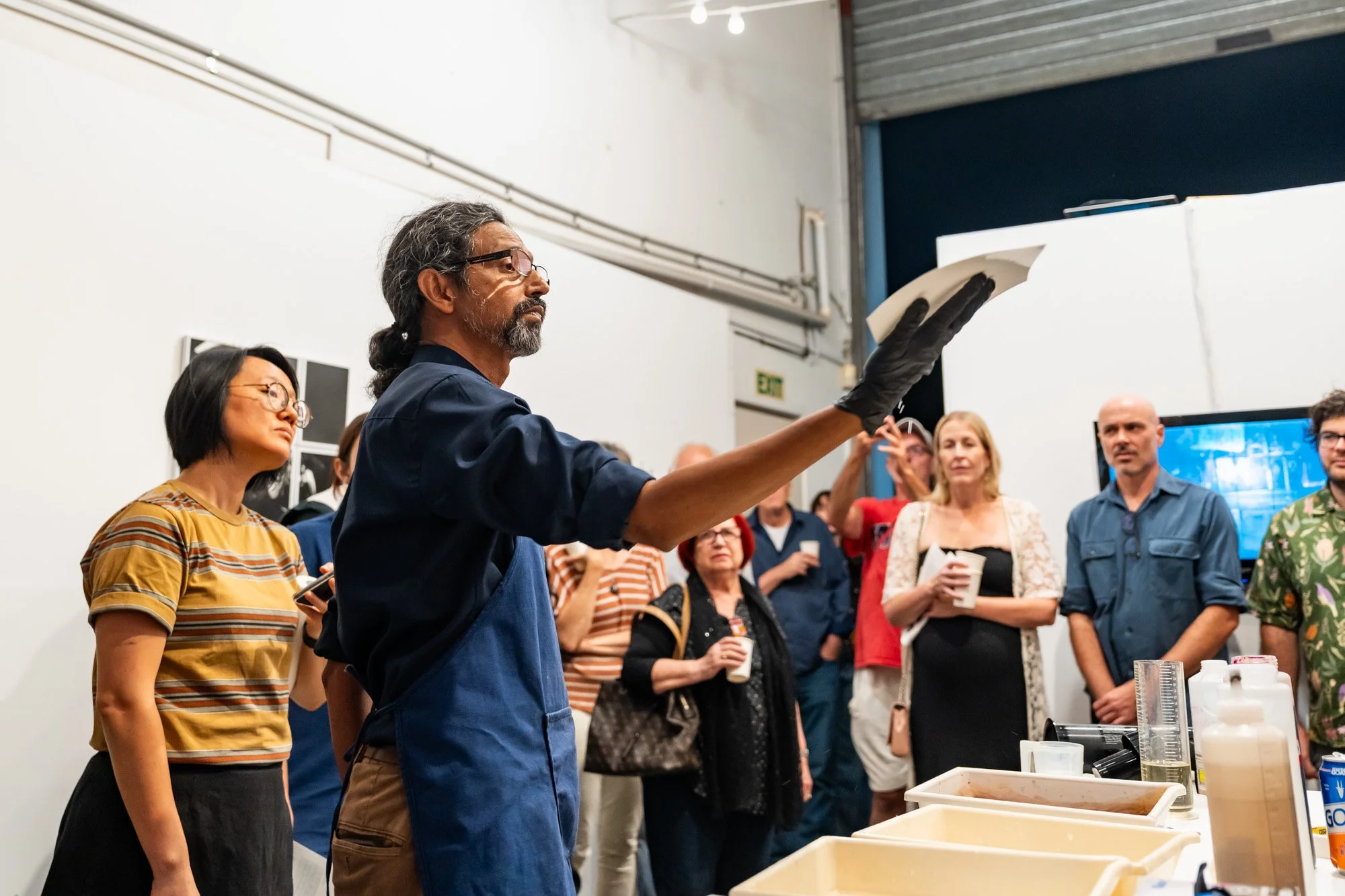
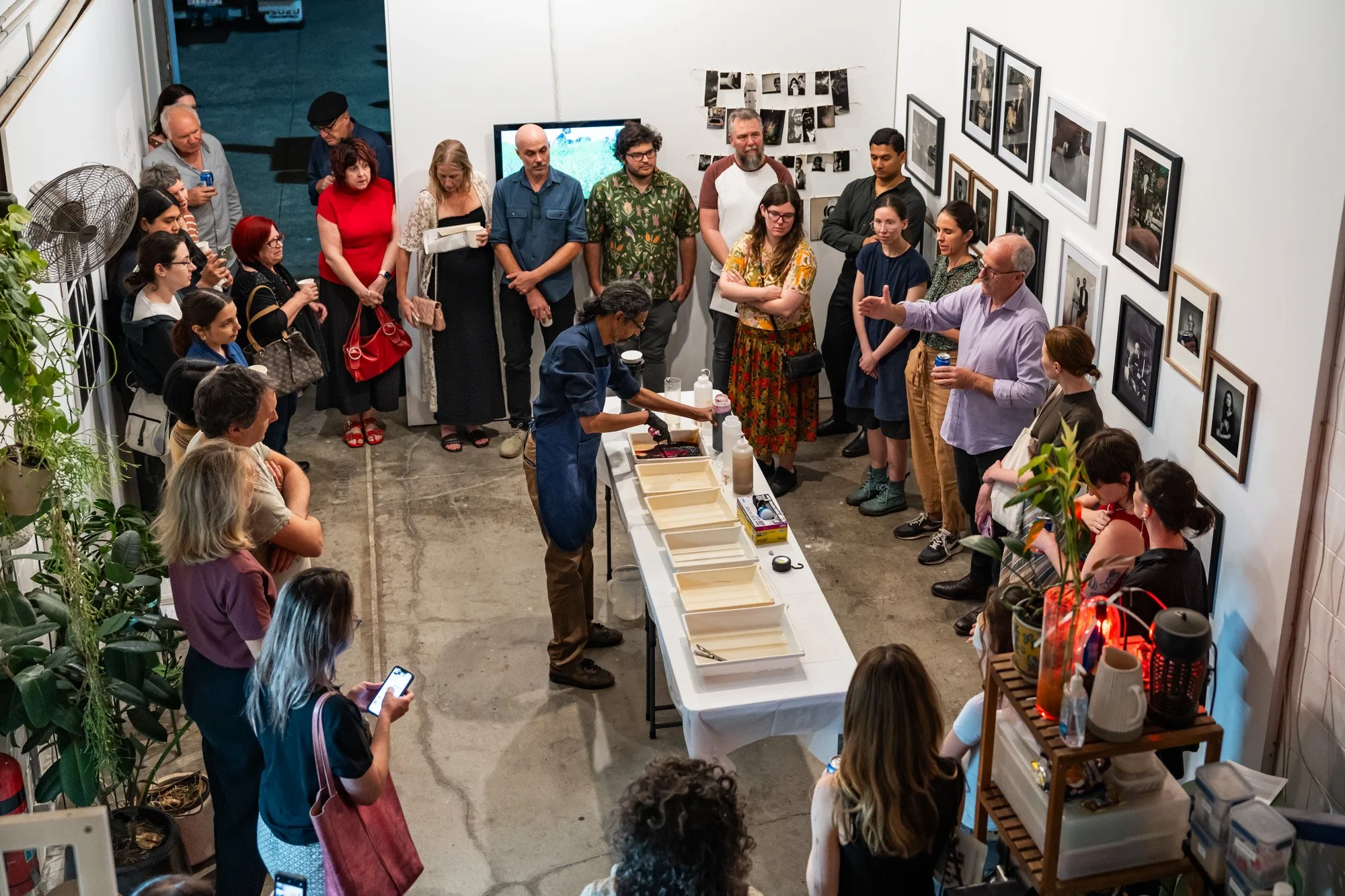
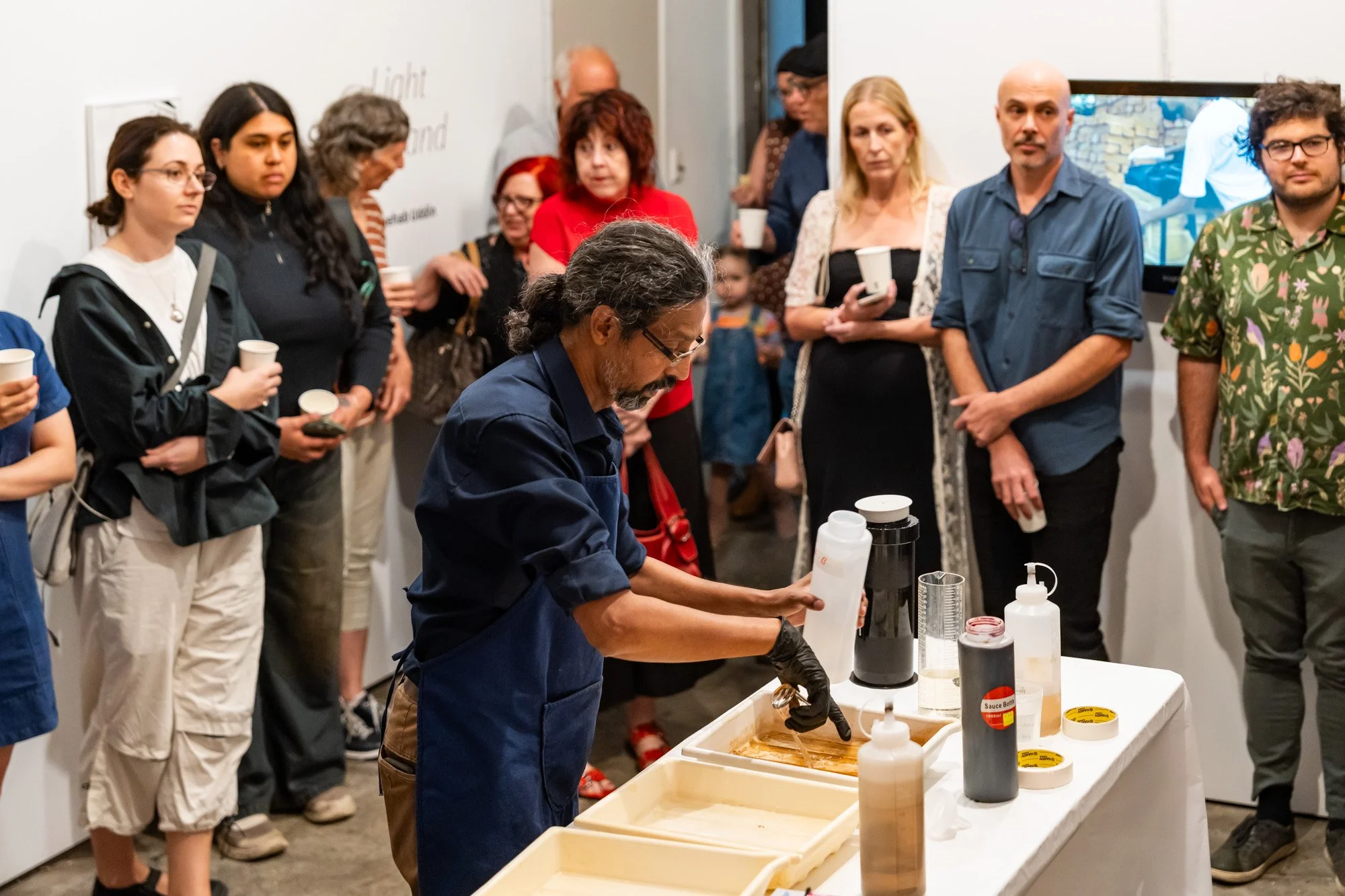
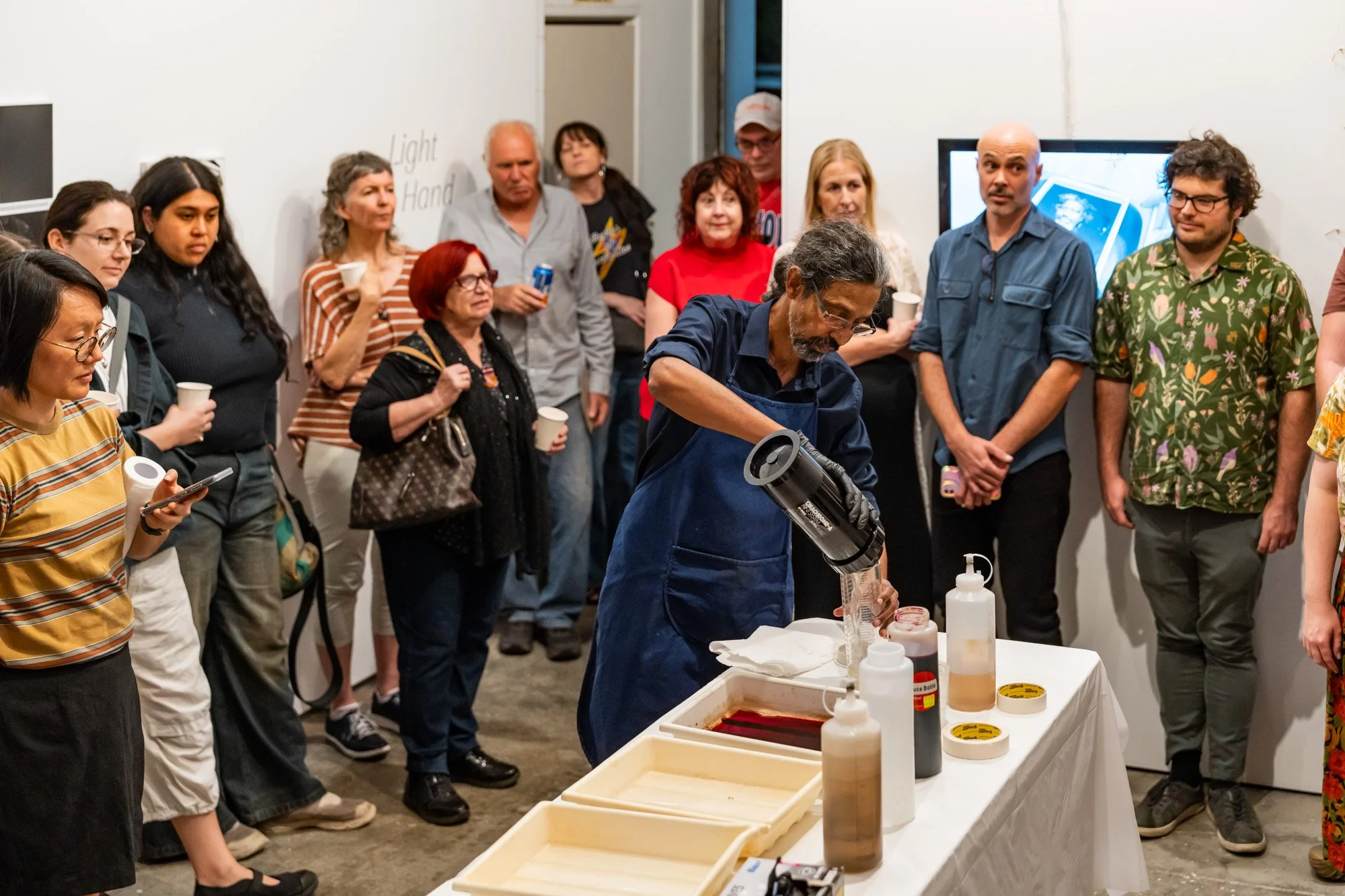
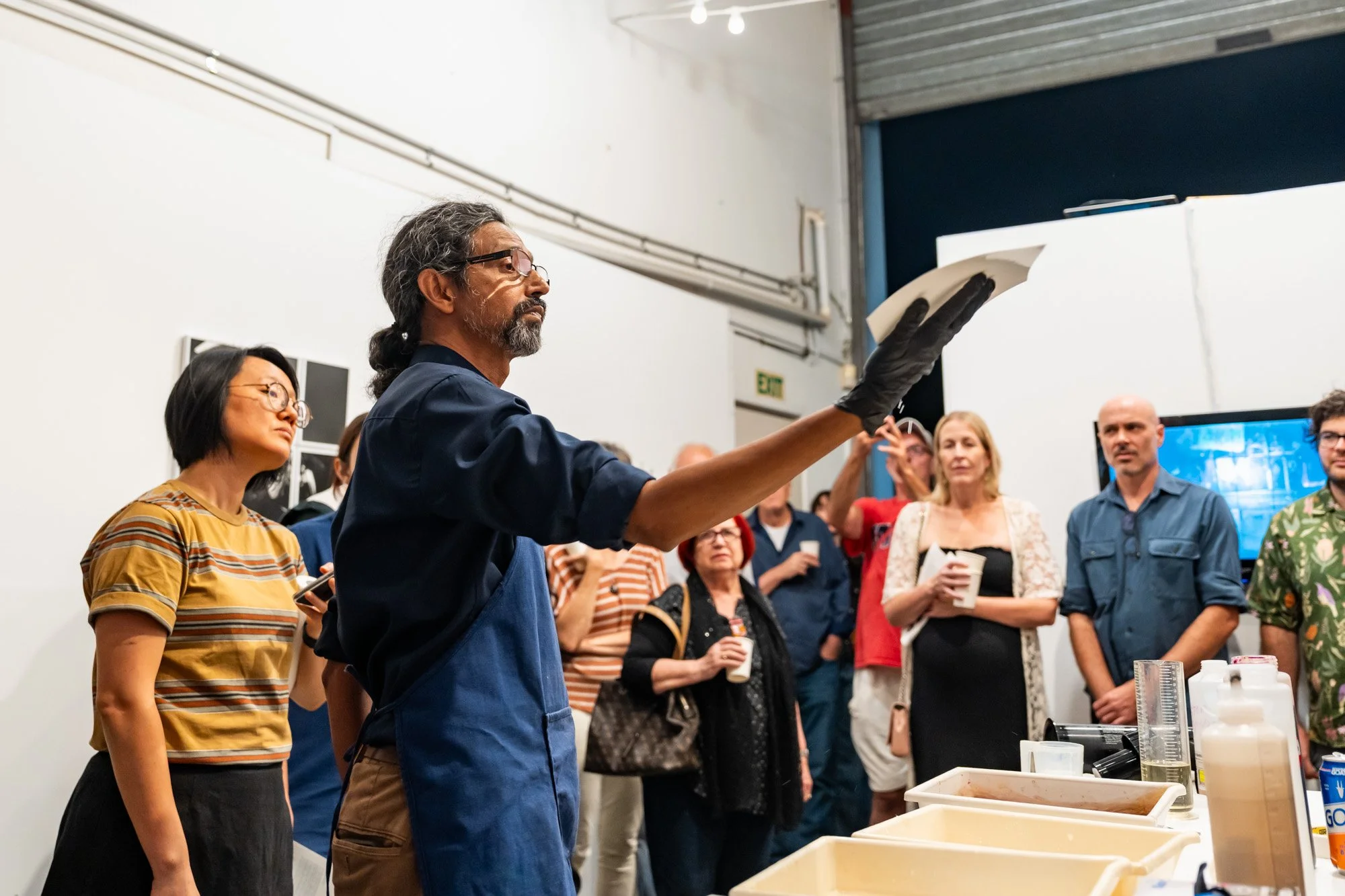
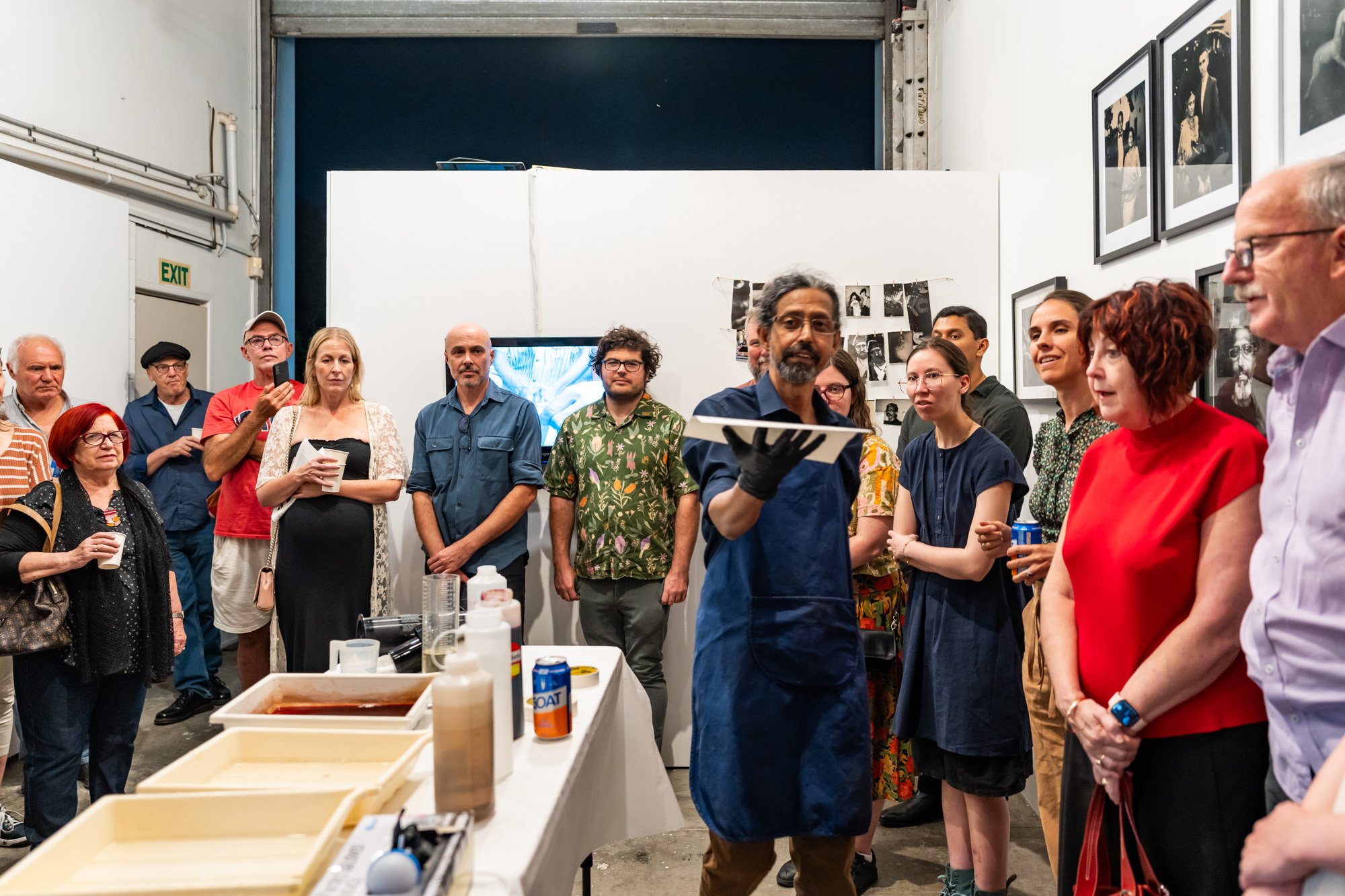
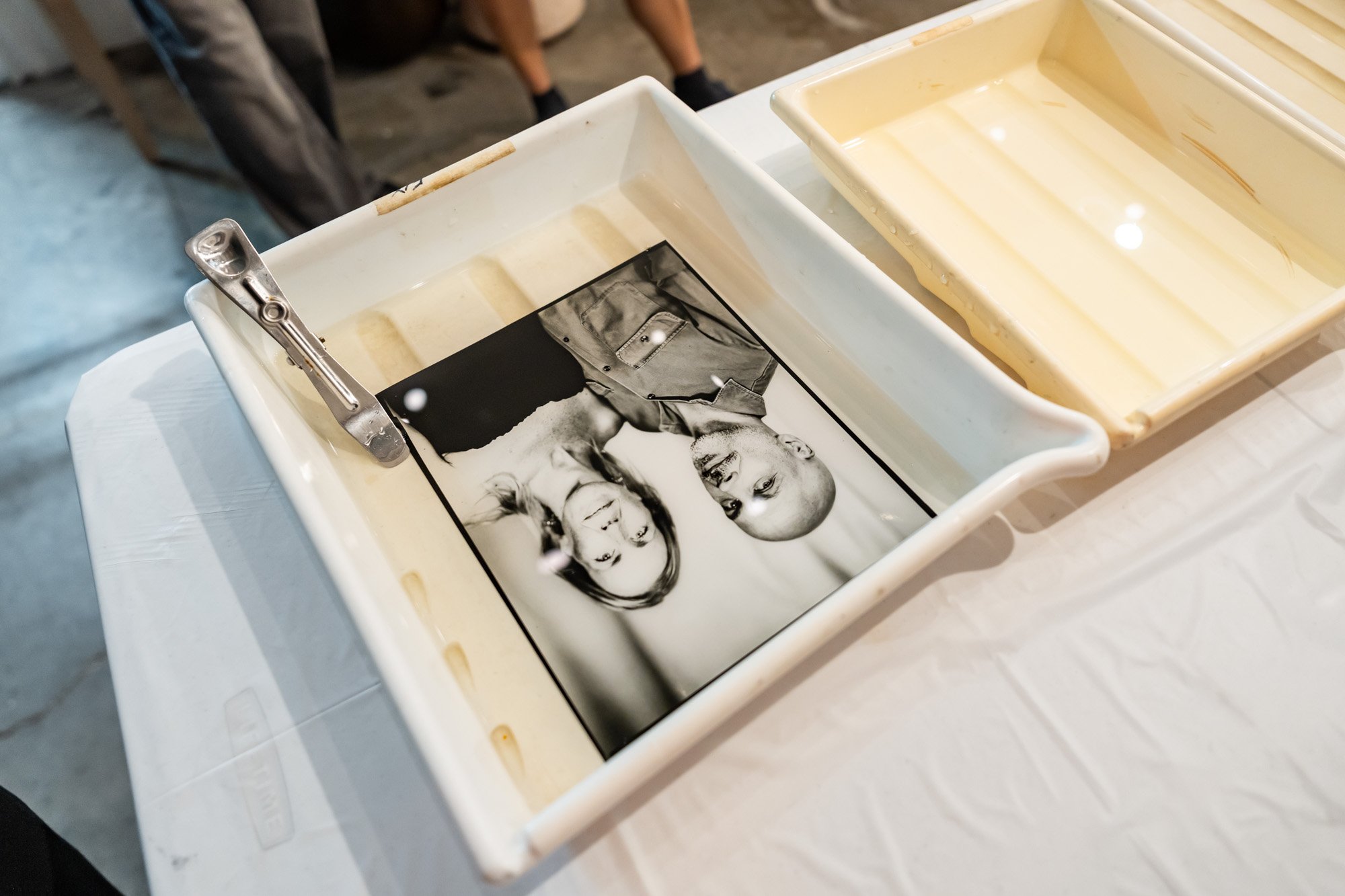
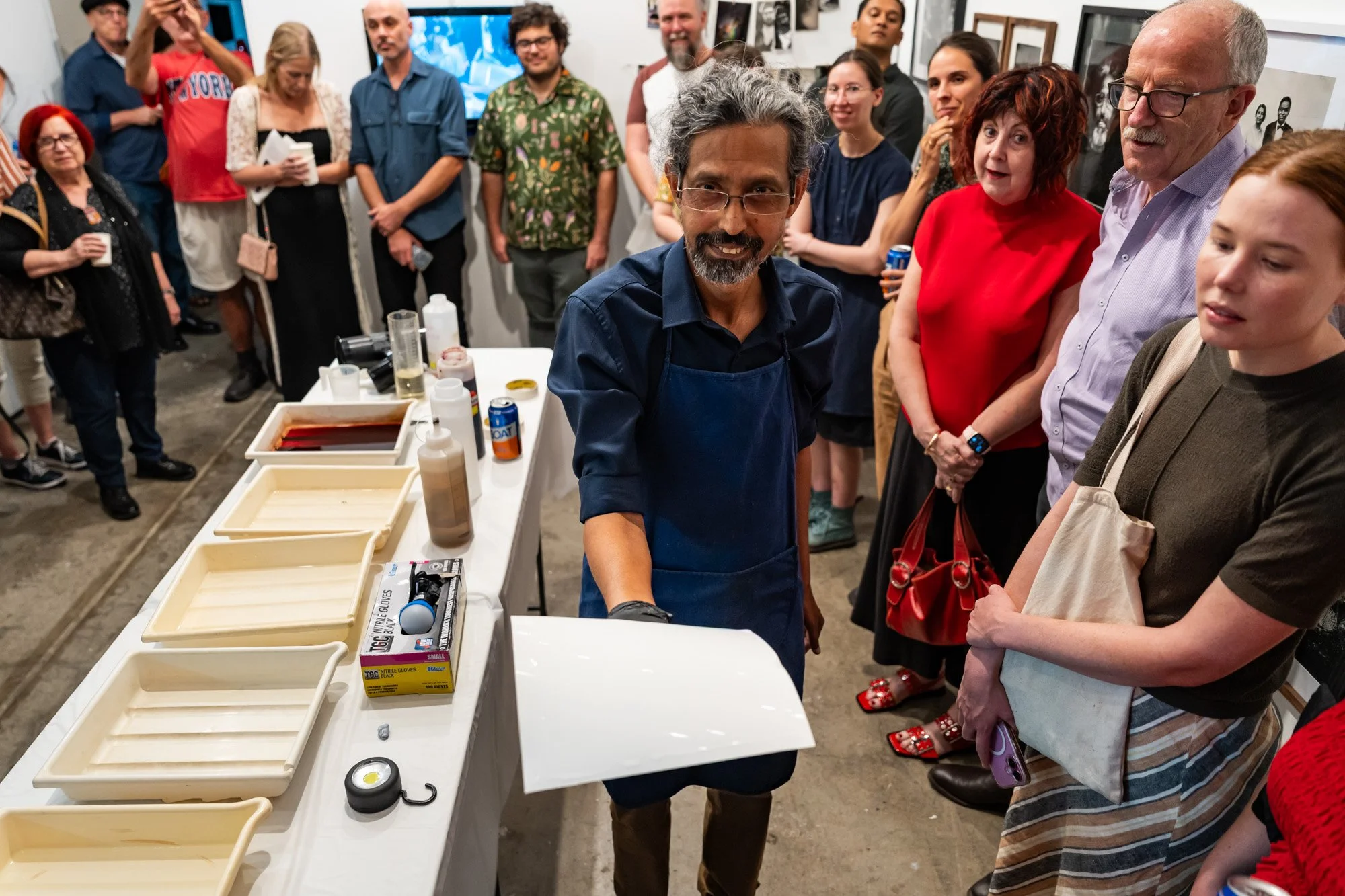
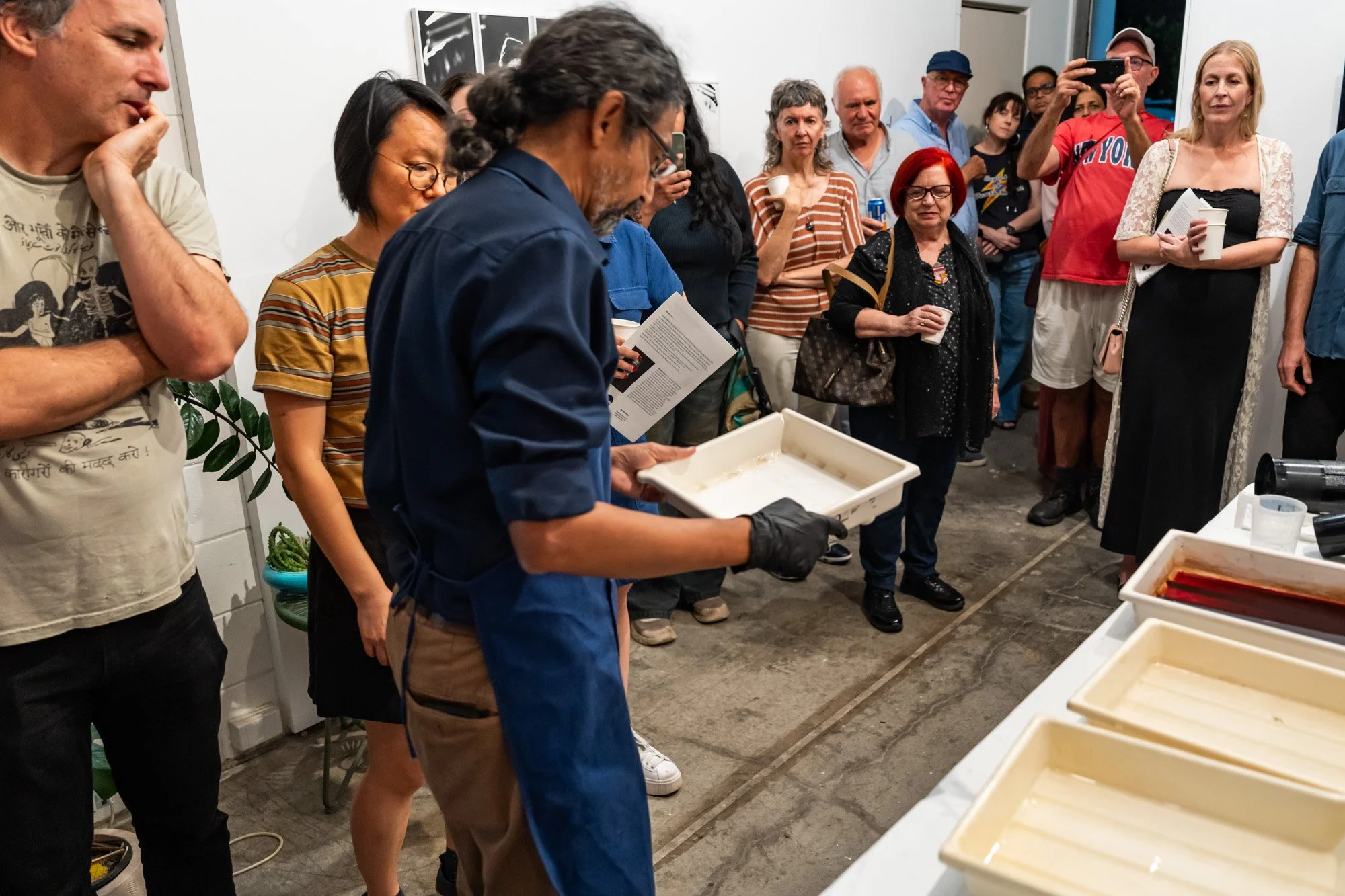
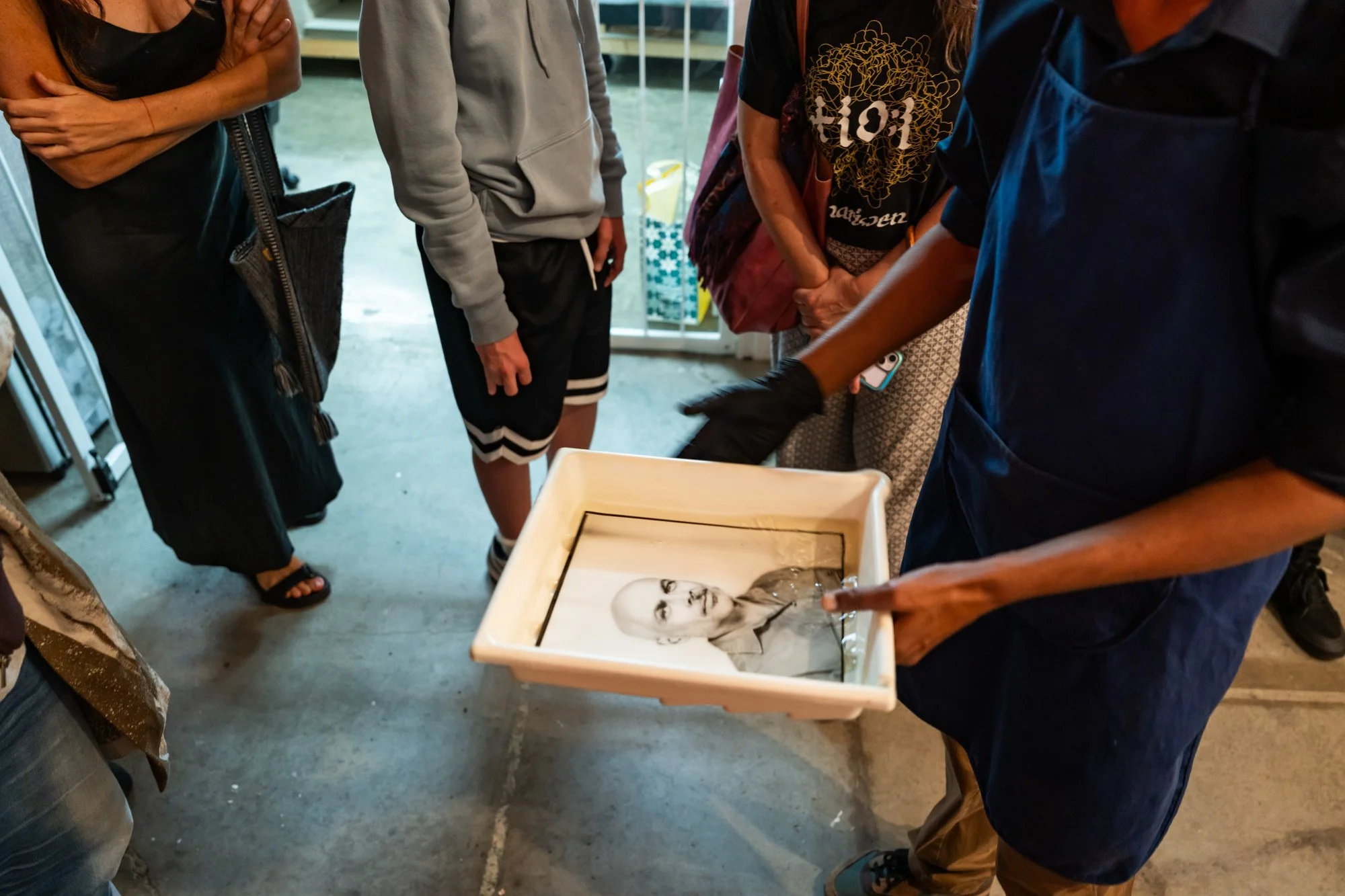
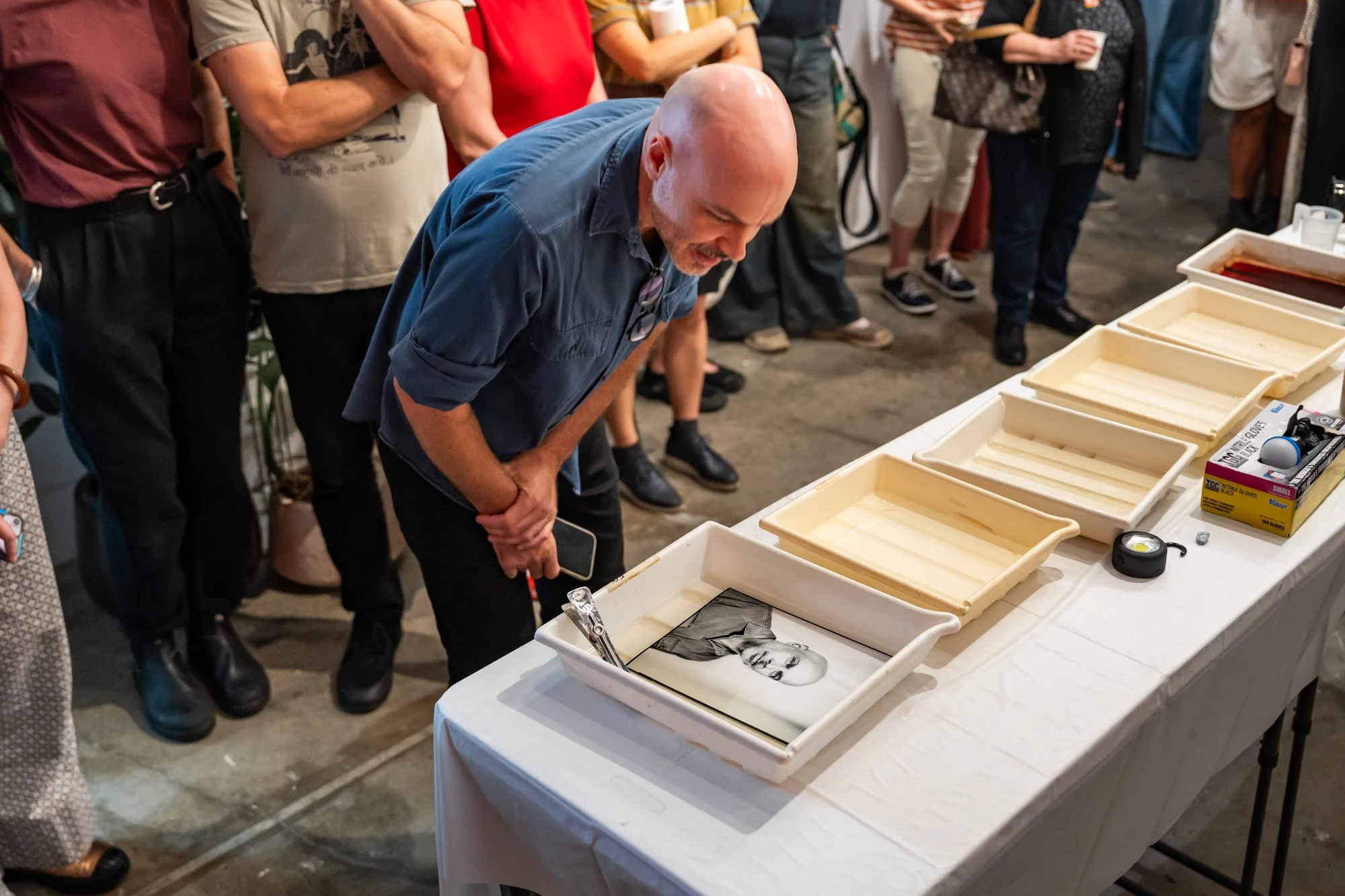
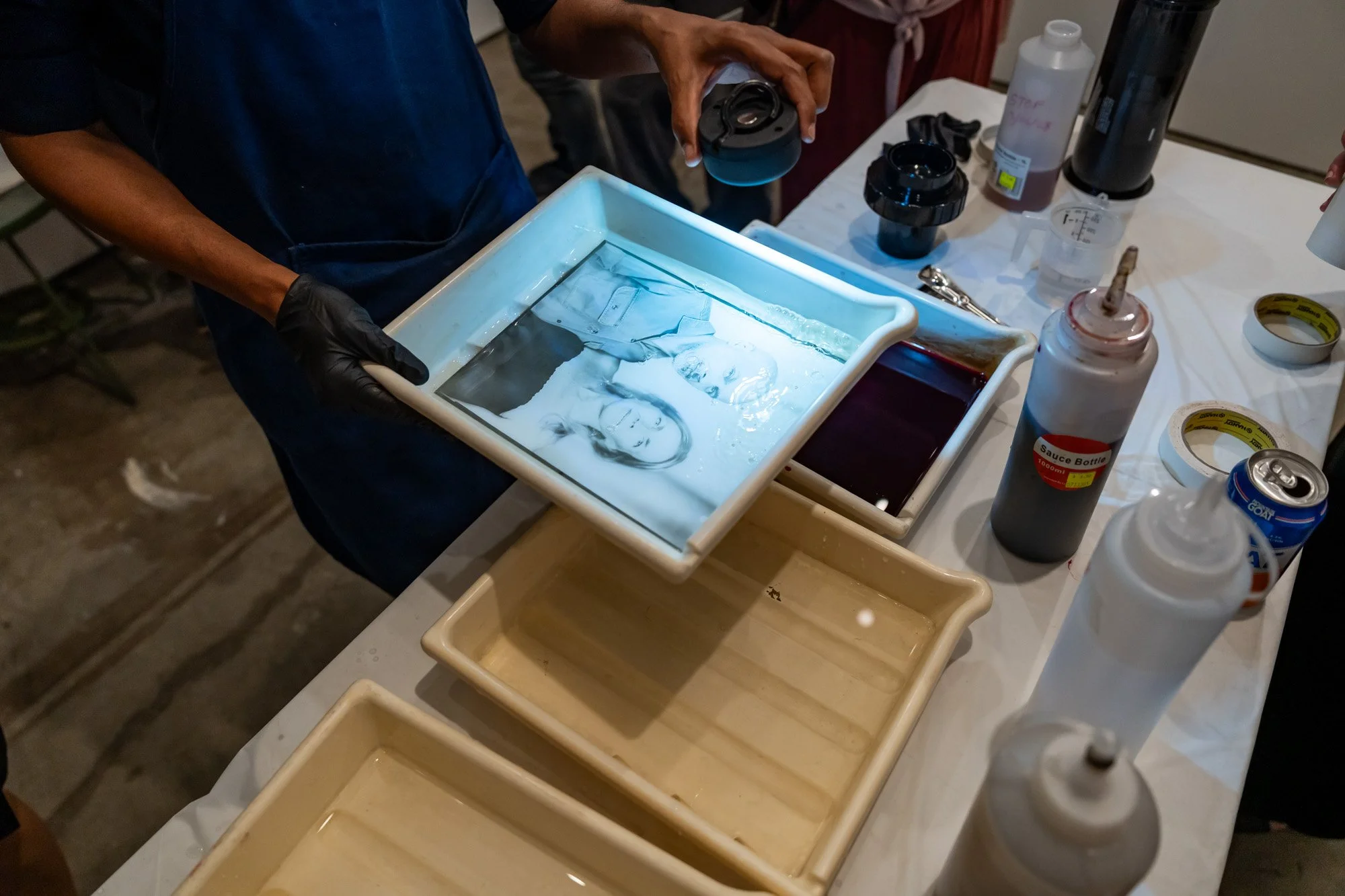
The exhibition also highlights historical darkroom methods, using photographic paper instead of film or digital sensors. Through processes such as the reversal photographic process and the paper negative process, images are transformed by hand in a sequence of chemical and light-based reactions. In some cases, photographs emerge instantly, unfolding before the viewer in a way that feels both intimate and theatrical. No two images are ever the same.
From constructing the camera to mixing chemicals and developing prints, every stage involves direct human interaction alongside elements of unpredictability. This interplay gives each photograph its distinct character and presence. The resulting works are not only images but physical objects—records of a moment shaped by both control and chance.
Light & Hand invites audiences to experience photography as a living process: one that is tactile, collaborative, and deeply human.
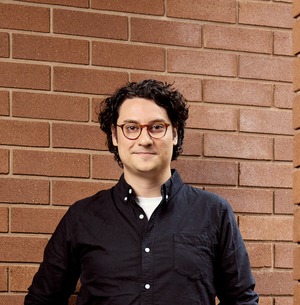
Shehab Uddin is a visual artist, educator, and photographer with over 30 years of international experience. His practice focuses on socio-political documentation, creating emotive, and immersive visual stories. His recent work explores history and memory through combining early photographic processes with cutting-edge technologies as storytelling tools. His work has been exhibited worldwide and has received numerous awards, including recognition from the Magnum Foundation, the Alexia Foundation, and the National Geographic (All Roads). His images have been widely published and collected internationally. Shehab earned his Doctor of Visual Arts degree from Griffith University and has taught across Australia and Asia.
The imprinting of a trace
Dr. Kelly Hussey-Smith
Suspicions about photography’s truth qualities have occupied its critics and lovers for nearly two centuries, proving, if nothing else, the medium’s enduring power to provoke debate in relation to the historical conditions and cultural energies that brought it into being.
When photographs first appeared in courtrooms in the late nineteenth century, their evidentiary qualities were disputed, dismissed even as the “hearsay of the sun”.1 It was an early instance of photography’s discursive relationship with light, truth, and witnessing — and of the uncertainty that haunts images in and of the world. As the artist and photography theorist Allan Sekula famously put it, photographs are nothing more than the imprinting of a trace — “everything else, everything beyond the imprinting of a trace, is up for grabs”.2 Artist and theorist Hito Steyerl describes the uncertainty of photography “not [as] some shameful lack, which has to be hidden, but instead constitut[ing] the core quality of contemporary documen tary modes as such”.3
The invention of photography also invented new forms of surveillance used to monitor, control and categorise, what Sekula called the ‘shadow archive.’ In The Body and the Archive, Sekula argued that portraiture functions both honorifically and repressively.4 Honorific portraiture tends to reinforce class privilege and status, while repressive portraiture — the kind found in police photography, asylum records, prisons and colonial ethnographic surveys — contributed to new forms of disciplinary power through the creation of (so-called) deviance.5 These shadow archives claimed to generate truths from the body, fixing individuals and communities into categories that purported to predict lifestyles and behaviours. The honorific and repressive history of photography continues to haunt photographic portraiture — perhaps more than ever alongside the rapid rise of generative AI, which requires no camera, no light, and no human presence to produce images, and is often trained on biased datasets (such as these shadow archives) that obscure the conditions of their production.
Geoffrey Batchen, in Burning With Desire, proposed that photography was not invented because of advances in chemistry or optics, but because of a burning cultural desire to fix an image and unburden the ‘human hand’ from the process of representation.6 This desire was aptly named by Henry Fox Talbot in 1844 as “the pencil of nature”, marking a cultural desire to alleviate the human hand from mechanical reproduction.7
I can’t help but think of the ultra-large format camera, meticulously hand-built by Dr Shehab Uddin and his collaborator Shaun Singleton, as emerging from our current historical and cultural moment. Whereas modernity sought to eliminate the human hand from production, in this exhibition of portraits by Shehab Uddin, the human hand is everywhere — in every camera bolt and groove, every new and repurposed material, and every portrait session. Here, the camera does not conceal the conditions of its making; or make itself invisible, instead, it takes as its point of departure the many possibilities offered by analogue processes and technologies that embrace human and mechanical vulnerabilities and flaws (and pores, lol).
Over years of meticulous work, Uddin and his friend and collaborator Shaun Singleton have crafted an ultralarge format 12 x 16 inch camera from their shared knowledge of photography and materiality: inventing, recycling, repurposing and engineering each component through their deep knowledge of cameras, lenses, light and chemicals. All but the lenses were built by hand. At a time when we are witnessing the rapid acceleration of generative AI into every facet of life, the artists have taken a different path, embracing a process reliant on human presence, chance, and collaboration. In doing so, they have not simply built a camera; they have realised a conceptual approach to portraiture that embodies a commitment to slow, skilled, collaborative, and relational image-making.
At a time when the camera is being displaced by generative AI, this project strikes at the heart of persistent anxieties about truth, representation, and photography. Uddin’s desire to slow down and privilege the handmade and the relational is not a nostalgic gesture but an embodied ethical position — one that insists that the imprinting of a trace still matters, reaffirming the mysterious pull that photographs hold in our lives.
As an artist, Uddin has witnessed the medium change from analogue to digital to generated images. From early days working as a lab assistant processing film and hand printing photographs in the darkroom, to becoming an internationally recognised freelance photographer, artist, and teacher, and more recently an academic, his knowledge and experience of the medium run deep. Despite witnessing such dramatic changes in photography over a lifetime, his practice maintains the same inquisitive, respectful, and joyful spirit that once led him — as a young man from Khulna — to pursue a photography career in Dhaka, Bangladesh.
Uddin’s practice embodies, to me, the humility, rigour, and creativity of a portrait photographer working relationally — one who has always quietly believed that a photograph can touch the profound, and who isn’t afraid to try to prove it.
______________________
1 Thurston, Thomas. “Hearsay of the Sun: Photography, Identity, and the Law of Evidence in Nineteenth-Century American Courts.” American Quarterly, Hypertext Scholarship in American Studies, 1996. https://chnm.gmu.edu/aq/photos/index.htm; Susan Schuppli, “Can the Sun Lie,” in Forensis: The Architecture of Public Truth, ed. Forensic Architecture (Berlin: Sternberg Press, 2014), 56–64.
2 Allan Sekula, “Dismantling Modernism, Reinventing Documentary (Notes on the Politics of Representation),” The Massachusetts Review 19, no. 4 (Winter 1978): p.863.
3 Hito Steyerl, “Documentary Uncertainty,” A Prior Magazine, no. 15 (June 2007).
4 Allan Sekula, “The Body and the Archive,” October 39 (Winter 1986): 3–64.
5 Sekula, “The Body and the Archive”.
6 Geoffrey Batchen, Burning with Desire: The Conception of Photography (Cambridge, MA: MIT Press, 1999)
7 William Henry Fox Talbot, The Pencil of Nature (London: Longman, Brown, Green, and Longmans, 1844).